
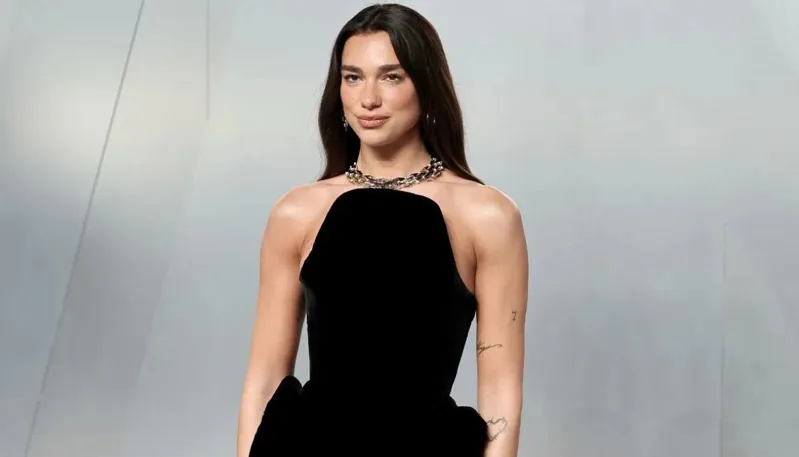
Dua Lipa has filed a multi-million-dollar lawsuit against Samsung, accusing the electronics giant of using her image without authorization to market its televisions.
According to court documents filed in California on Friday, the British pop star claims Samsung printed one of her copyrighted backstage photographs on television packaging sold in retail stores, allegedly creating the impression that she endorsed the product.
The lawsuit seeks at least $15 million in damages and accuses the company of copyright infringement as well as violating Lipa’s publicity rights.
The image referenced in the complaint was reportedly titled “Dua Lipa – Backstage at Austin City Limits, 2024.” The filing states that all ownership rights connected to the image, including title and commercial interest, belong exclusively to the singer and her team.
Lipa’s legal representatives argue that the alleged use of the image helped Samsung commercially by attracting consumer attention and influencing purchasing decisions. As part of the complaint, the legal team included screenshots from social media users allegedly saying they wanted to buy the television “because Dua is on it.”
The case could potentially raise broader questions about celebrity likeness rights and how global brands use recognizable public figures in product marketing without formal endorsement agreements.
While celebrity image disputes are not uncommon in the entertainment and advertising industries, lawsuits involving retail packaging and implied endorsement claims can carry significant financial and reputational consequences for companies.
Neither Lipa nor her representatives have publicly commented further on the lawsuit since the filing became public. Samsung also declined to comment, citing ongoing litigation.
Why this case matters
The lawsuit highlights growing legal scrutiny around the commercial use of celebrity images in advertising and product branding. Under U.S. publicity rights laws, public figures can challenge companies that allegedly profit from their likeness without consent — especially when consumers may interpret the usage as an endorsement.
Legal experts say cases involving implied celebrity endorsements have become increasingly important in the social media era, where star power can directly influence consumer behavior and online sales trends.