
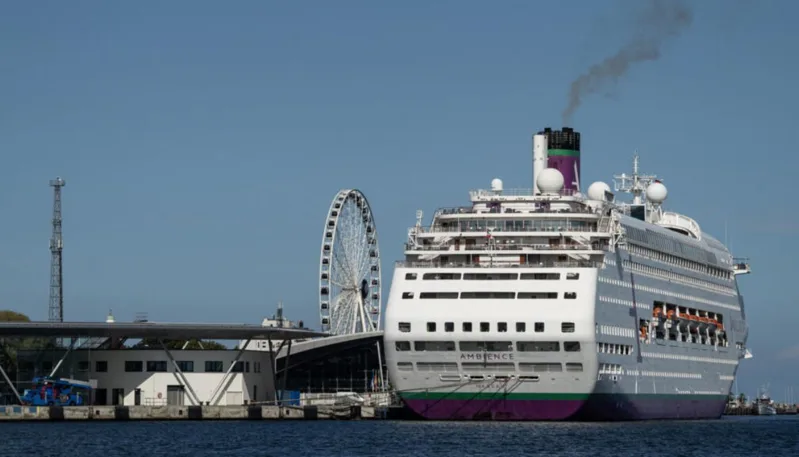
French health authorities have confined nearly 1,700 passengers and crew members aboard a cruise ship off the coast of Bordeaux following a suspected gastroenteritis outbreak that has already left one passenger dead and dozens ill.
According to local authorities, around 50 passengers began experiencing symptoms linked to an acute digestive infection, commonly known as stomach flu. Medical teams aboard the vessel reportedly isolated affected passengers in their cabins to prevent the illness from spreading further.
In a statement, French health officials said the outbreak is currently being investigated, while initial tests have reportedly ruled out norovirus — one of the most common causes of gastroenteritis outbreaks on cruise ships. Authorities have also stated there is no known connection between this incident and the recent hantavirus outbreak reported aboard another vessel, MV Hondius.
What is gastroenteritis?
Gastroenteritis is an intestinal infection that commonly causes diarrhea, vomiting, nausea, stomach cramps, and fever. According to the Cleveland Clinic, the illness is usually caused by viral or bacterial infections and spreads rapidly in crowded environments such as cruise ships, schools, and care facilities.
The condition is often referred to as the “stomach flu,” although it is unrelated to influenza.
Common causes of gastroenteritis
Health experts say gastroenteritis can develop due to several viral, bacterial, or food-related infections. The most common causes include:
- Norovirus infections
- Rotavirus infections in children
- Contaminated food or drinking water
- Poor hygiene practices
- Food poisoning caused by bacteria
French authorities have not ruled out the possibility that contaminated food may have contributed to the outbreak aboard the ship.
How does gastroenteritis spread?
The infection spreads very easily through close contact and contaminated surfaces. Common transmission methods include:
Contaminated food and water
Consuming undercooked food or water contaminated with bacteria or viruses can trigger infection.
Person-to-person contact
The virus can spread through close interaction with infected individuals, shared utensils, or contaminated surfaces.
Poor hand hygiene
Failing to properly wash hands after using the restroom or handling contaminated materials significantly increases the risk of transmission.
Symptoms to watch for
People infected with gastroenteritis may experience:
- Watery diarrhea
- Vomiting
- Nausea
- Abdominal cramps
- Fever
- Fatigue
- Dehydration
Health experts advise passengers experiencing severe dehydration, persistent vomiting, or high fever to seek immediate medical attention.
How to protect yourself from gastroenteritis
Medical professionals say prevention largely depends on hygiene and food safety practices. Key preventive measures include:
- Wash hands thoroughly with soap and water
- Avoid consuming undercooked food
- Drink clean and safe water
- Disinfect frequently touched surfaces
- Avoid close contact with infected individuals
Experts also note that alcohol-based hand sanitizers may not always be fully effective against certain stomach viruses, including norovirus, making handwashing especially important.
Why cruise ships are vulnerable to outbreaks
Cruise ships are considered high-risk environments for infectious disease outbreaks because thousands of passengers share dining areas, recreational facilities, cabins, and enclosed spaces. Even a small number of infections can spread rapidly if not contained quickly.
French authorities continue monitoring the situation while onboard medical teams work to contain the outbreak and prevent additional cases.