
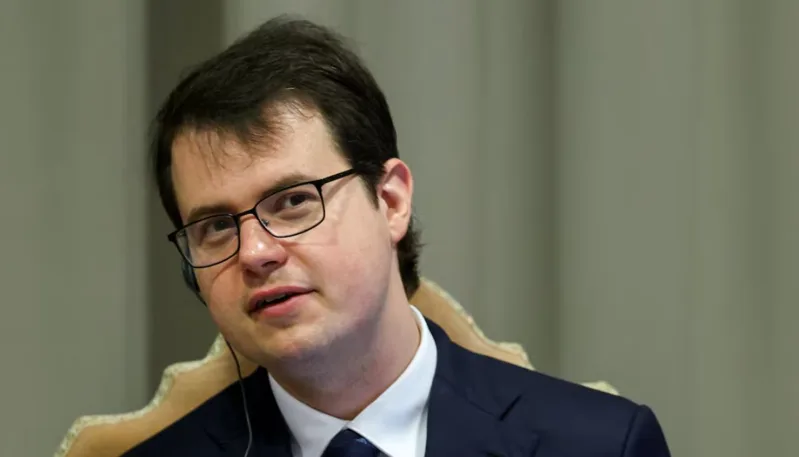
Anthropic co-founder Chris Olah has called for stronger moral oversight of artificial intelligence, warning that the rapid rise of AI could eventually replace human labour on a massive scale if left unchecked.
Speaking during discussions surrounding Pope Leo’s first AI-focused encyclical on Monday, Olah said the world cannot rely solely on tech companies to guide the future of advanced artificial intelligence systems.
“AI replacing human labour at large scale remains a real possibility,” the Canadian computer scientist said while addressing concerns over the social and ethical impact of emerging technologies.
Olah explained that artificial intelligence companies often operate under heavy commercial pressure, which can sometimes make it difficult to prioritise ethical decision-making.
“Supporting the individuals who get replaced by AI will be a moral imperative of historic proportions,” he added.
The remarks have reignited debate around the lack of independent oversight over advanced AI development as governments, religious institutions and technology companies continue to clash over regulation and ethical safeguards.
Olah’s appearance also marked a rare direct engagement between a senior executive from a leading AI company and the Catholic Church, as the Vatican increasingly positions itself as a moral voice in the global AI debate.
According to Reuters, Vatican officials have been exploring the wider implications of artificial intelligence, including concerns related to employment, misinformation, ethics and military use of advanced systems.
When asked why he was the only major AI industry representative present at the event, Olah said the invitation decisions were ultimately made by the Church. He also revealed that he has interacted with representatives from 15 different religions while working on advanced AI systems.
Anthropic, one of the leading U.S.-based artificial intelligence firms, has previously pushed for stronger safeguards on the military use of AI technology and reportedly clashed with the Pentagon over proposed guardrails for defence-related applications.
The growing influence of AI in everyday life has sparked increasing calls worldwide for stricter regulation, transparency and ethical oversight as companies race to develop more powerful systems.