
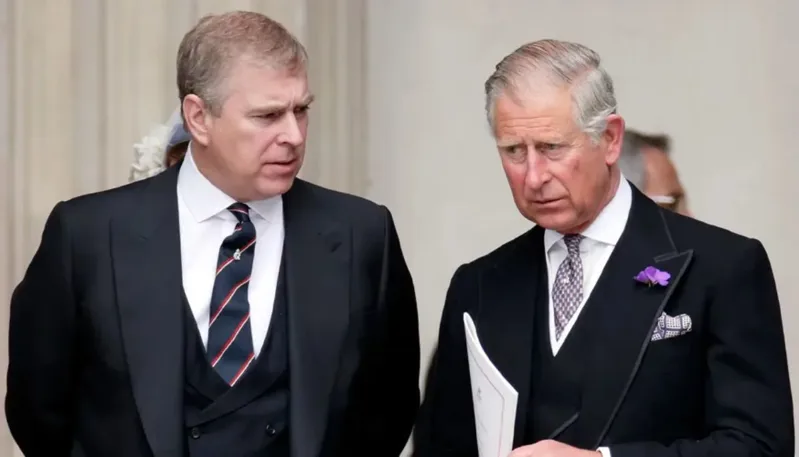
A senior British royal has been barred from joining the monarchy’s leading figures at one of its most historic ceremonial events, marking another sharp escalation in his long-running fall from royal life.
Andrew Mountbatten-Windsor, formerly known as Prince Andrew, was excluded from participating in this year’s Order of the Garter procession at Windsor Castle, according to multiple reports from the ceremony held on Monday, June 15.
The event — one of the oldest and most prestigious in the royal calendar — was attended by King Charles III, Queen Camilla, the Prince of Wales and other senior members of the Royal Family. But Andrew was notably absent from the public procession, continuing a pattern of restrictions that have steadily removed him from official royal duties.
The exclusion follows his earlier removal from royal titles and honours amid controversy over his association with convicted sex offender Jeffrey Epstein, a case that has dominated scrutiny of his public role for years.
According to reports, Andrew was still permitted to attend private elements of the ceremony in previous years, including non-public gatherings such as luncheons, but was not included in this year’s visible proceedings — a decision widely interpreted as further distancing by King Charles.
The Order of the Garter, founded in 1348 by Edward III, is Britain’s oldest and most senior order of chivalry. Membership is limited and granted at the monarch’s discretion, typically including senior royals and former prime ministers.
This year’s ceremony also highlighted the reshaping of the royal lineup under King Charles, with senior working royals taking centre stage in both the procession and associated public appearances.
Andrew’s exclusion underscores his continued withdrawal from public royal life following years of controversy, legal scrutiny, and the formal stripping of his titles in 2025.
While Buckingham Palace has not issued detailed commentary on individual attendance decisions, the composition of the procession reflects the monarchy’s ongoing effort to tighten its public image around its core working members.
The ceremony, held under clear summer skies at Windsor, proceeded with traditional pageantry — horse-drawn carriages, ceremonial robes, and a full military escort — but without one of the monarchy’s most controversial former figures in attendance.
His absence, once unthinkable at such an event, now reflects a new normal within the Royal Family’s public hierarchy.