
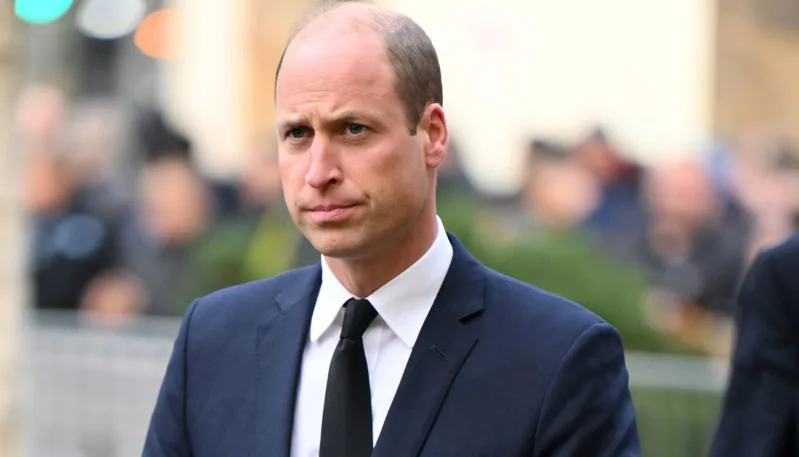
For centuries, the British pub has been more than just a place to buy a pint. It has been a village meeting hall, an unofficial employment centre, a confessional booth, a therapy room, a dating venue, a political debating chamber and, for millions of people, a second home. Now Prince William is warning that these cherished institutions are under threat.
The Prince of Wales has emerged as an unlikely champion of Britain's struggling pubs after declaring: "I love pubs. We need to protect our pubs." The comments may have sounded simple, but they touched a nerve in a country where the disappearance of the local pub has become one of the most visible signs of changing British life.
During a visit to the Prince of Peckham in south London, William spoke warmly about the role pubs play in bringing people together. "It's the people, the team, around a pub that make it," he said, describing pubs as the "glue" that holds communities together. His intervention comes at a moment of crisis for the industry.
According to figures cited by industry groups, 161 pubs closed across Britain in the first quarter of 2026 alone—equivalent to almost two closures every day. The shutdowns are linked to rising energy bills, higher employment costs, taxation pressures and changing consumer habits. The numbers tell a stark story.
Britain has lost thousands of pubs over the past two decades, with industry bodies warning that many remaining venues are operating on razor-thin margins. Some publicans say a single unexpected expense can be enough to push a business into closure. Yet the battle over pubs is about far more than economics.
For many communities, especially in rural Britain, the local pub remains the last surviving public gathering place. Post offices have disappeared.
Bank branches have closed. Local shops have vanished. Church attendance has declined.
In countless villages, the pub is the final communal institution still standing. That reality helps explain why William's comments resonated so strongly. The future King has long shown an unusual affection for pubs. Earlier this year he described them as "crucial" for human contact and the beating heart of communities. During a visit to Scotland, he reportedly pledged to help support the sector and highlighted the importance of face-to-face interaction in an increasingly digital age.
The connection is also personal. William told locals in Peckham that he "grew up in pubs," reflecting a reality familiar to many Britons whose childhood memories include Sunday lunches, family celebrations and community events hosted in public houses. His remarks come at a time when experts are increasingly worried about loneliness and social isolation.
Research across Britain has repeatedly shown that community spaces play an important role in mental wellbeing. Pubs, particularly those that host quiz nights, breakfast clubs, charity events and local gatherings, often function as informal support networks.
The Prince of Peckham itself illustrates that point. William visited the venue's "Chatty Patty" breakfast club, a community initiative designed to tackle loneliness and help residents connect with one another. In an age dominated by smartphones, social media and remote working, supporters argue that pubs offer something increasingly rare: genuine human interaction.
That argument appears to resonate with William.
According to reports, he has repeatedly emphasized the importance of people coming together in person rather than existing solely through screens and online platforms.
There is also a deeper cultural dimension. The British pub is one of the country's most recognizable institutions, alongside the monarchy itself.
From medieval coaching inns and Tudor taverns to Victorian gin palaces and modern gastropubs, public houses have helped shape Britain's social identity for centuries. Historians frequently describe them as the focal point of community life, particularly in rural areas. That heritage is now colliding with modern economic realities.
Hospitality businesses face rising operating costs, while younger generations often socialize differently from their parents and grandparents. Many pubs have responded by reinventing themselves as restaurants, community hubs, co-working spaces or entertainment venues. Some have succeeded. Others have disappeared forever.
Government ministers have introduced support measures aimed at easing pressure on the sector, including business-rate relief and temporary freezes on certain charges, but industry leaders argue that much more is needed if Britain's pub network is to survive. The irony is that just as pubs are becoming harder to sustain financially, many Britons appear to appreciate them more than ever. Campaigns to save local pubs regularly attract thousands of supporters.
Community groups increasingly buy endangered pubs to keep them operating. And heritage organizations continue to fight for the preservation of historic public houses that form part of Britain's architectural and cultural landscape.Whether Prince William's intervention will lead to meaningful policy changes remains unclear.
But his message was unmistakable. The future King believes pubs are not merely businesses. They are social institutions. And if Britain loses them, it risks losing something much larger than a place to share a drink.
It risks losing one of the last spaces where strangers become neighbours, communities find common ground and British life still unfolds face-to-face rather than through a screen.
That, perhaps, is why Prince William's call to "protect our pubs" has struck such a chord across the country.