
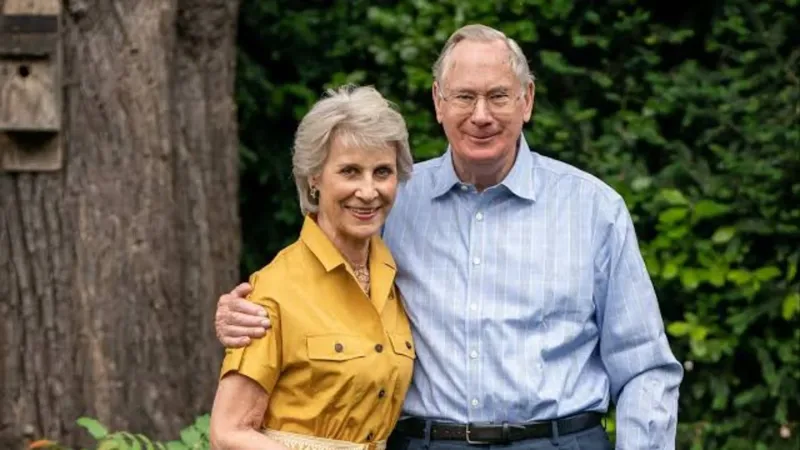
The final day of Royal Ascot turned into a relaxed and family-focused occasion for the Duke and Duchess of Gloucester, as members of the royal family gathered to enjoy one of Britain’s most prestigious horse racing events.
The annual five-day Royal Ascot meeting, held at Ascot Racecourse in Berkshire, is known not only for its world-class racing but also for its strong royal traditions, fashion displays, and social gatherings. The concluding day once again highlighted the event’s reputation as a blend of sport, ceremony, and family reunion.
Duke and Duchess of Gloucester Join Royal Family on Final Day
On the last day of the event, the Duke and Duchess of Gloucester were seen attending alongside senior royals and invited guests. Their appearance added to the traditional royal presence that is a hallmark of the closing day of Royal Ascot each year.
The Gloucesters are long-standing participants in royal ceremonial events and are frequently present at key occasions in the royal calendar, including Trooping the Colour and major state celebrations.
Royal Ascot Continues Its Tradition of Family-Like Atmosphere
Royal Ascot is often described as more than just a sporting event. It serves as an informal gathering for the royal family, where different generations come together in a relaxed but formal setting.
King Charles III and Queen Camilla typically lead the famous carriage procession, joined by senior royals and close family members throughout the week. The final day often brings together a mix of working royals, extended family members, and distinguished guests.
According to royal observers, the event has long functioned as a “summer family reunion,” offering the monarchy a rare opportunity to engage with public duties while enjoying a shared interest in horse racing.
Carriage Procession Remains a Key Highlight
One of the most recognized traditions of Royal Ascot is the daily royal carriage procession. On the final day, the procession maintains its ceremonial importance, with royals arriving in horse-drawn carriages before taking their seats in the Royal Enclosure.
The Duke and Duchess of Gloucester’s participation in the procession reflects their continued role in supporting the monarchy at formal public events.
A Blend of Sport, Tradition, and Social Gathering
Beyond the racing itself, Royal Ascot is widely known for its social and cultural significance. The event attracts around 300,000 attendees over five days and is considered one of the most important fixtures in the British summer sporting calendar.
The final day typically includes major races, prize presentations, and continued attendance from prominent figures across society, including royalty, business leaders, and international guests.
Royal Ascot’s Ongoing Global Appeal
Royal Ascot continues to attract global attention due to its combination of elite horse racing, royal tradition, and fashion influence. It remains a key event in Britain’s cultural and sporting identity, with worldwide media coverage each year.
For the royal family, it is also an opportunity to maintain visibility in a setting that balances formality with a more relaxed, social atmosphere.
Conclusion
The final day of Royal Ascot once again demonstrated why the event is often viewed as both a sporting spectacle and a royal family gathering. With the Duke and Duchess of Gloucester joining the occasion, the event reinforced its long-standing tradition of bringing together the monarchy in a shared celebration of sport and heritage.