
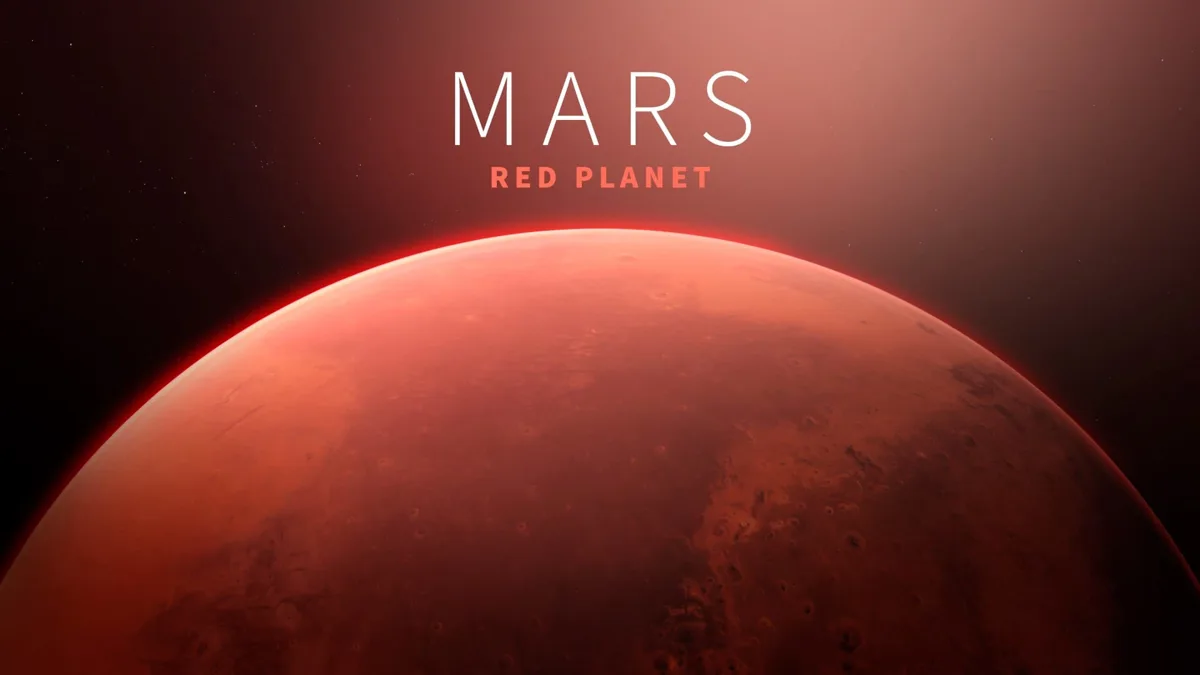
For many years, Mars has captured the imagination of scientists and ordinary people alike. Mars, often called the Red Planet because of its reddish appearance, it is the fourth planet from the Sun and one of Earth’s closest neighbours in space. For centuries, it has attracted scientists, astronomers, and space enthusiasts.
Today, Mars is at the center of modern space exploration because scientists believe that it may once have contained water, a thicker atmosphere, and conditions suitable or support for life. Although the planet is now cold, dry, and rocky, ongoing missions continue to reveal important information about its past and future.
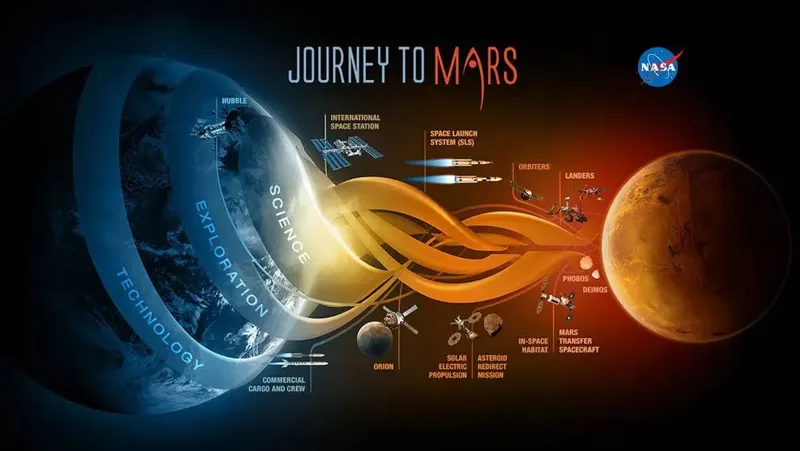
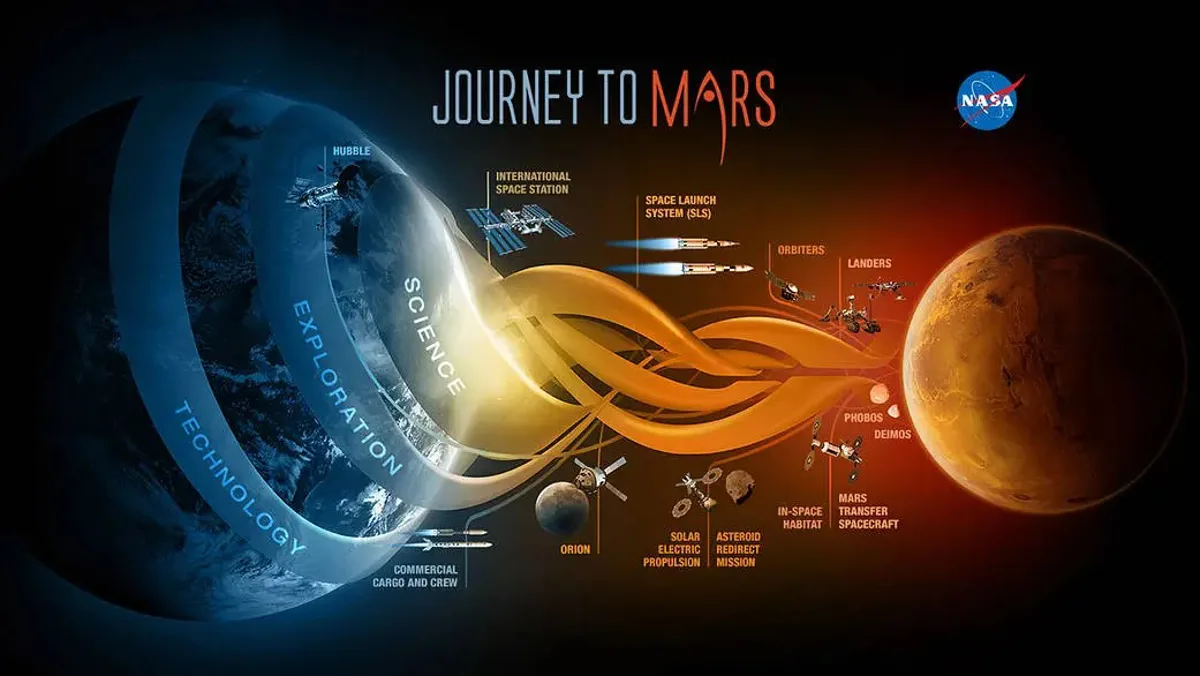
NASA, the National Aeronautics and Space Administration, has played a leading role in Mars exploration for many decades. Through its advanced rovers, orbiters, and research programs, NASA continues to expand our understanding of the Red Planet and prepare for future human missions to Mars.
Why Is Mars Important?
Among all the planets in our solar system, Mars is considered one of the most promising worlds for scientific study. Scientists continue to ask important questions about the Red Planet. Did life ever exist on Mars? How has the planet change over billions of years? Could humans live there in the future? What can Mars teach us about the history of Earth?
Research shows that Mars was once much warmer and wetter than it is today. Ancient rivers, lakes, and possible oceans may have existed on its surface. These discoveries have increased scientific interest and made Mars a major target for future human exploration.
Current Mars Missions
Several robotic missions are currently studying Mars and helping scientists understand its environment. These spacecraft and rovers gather valuable information about the planet’s climate, geology, and history The Perseverance rover, which landed on Mars in 2021, is searching for signs of ancient microbial life. It is also collecting rock samples that may eventually be brought back to Earth for further study.
In addition, the rover has successfully tested artificial intelligence systems that allow it to move more independently across the Martian surface. Another important mission is the Curiosity rover. Since its landing in 2012, Curiosity has been examining rocks, soil, and weather conditions to determine whether Mars once had environments suitable for life. Its discoveries of organic molecules have provided valuable clues about the planet’s ancient history.
Orbiting above the planet, the Mars Reconnaissance Orbiter studies the Martian atmosphere and surface. It searches for evidence that water once existed on Mars for long periods. Likewise, Mars Odyssey has helped scientists create detailed maps of minerals and chemical elements found on the planet.
Recent Discoveries on Mars
Recent discoveries have made Mars exploration even more exciting. The Perseverance rover collected a rock sample called “Sapphire Canyon,” which may contain evidence of ancient microbial activity. Scientists believe that these samples could answer one of humanity’s biggest questions: Was there ever life on Mars? The Curiosity rover has also discovered organic molecules that had never been identified on Mars before.
In addition, NASA’s Psyche spacecraft used the gravitational pull of Mars to continue its journey toward a metal-rich asteroid, demonstrating how Mars can support future space missions.
The Future of Human Exploration
Space agencies around the world hope to send astronauts to Mars in the coming decades. Human exploration would allow scientists to perform advanced research and possibly establish permanent settlements on the planet. However, several challenges still remain. Mars experiences extremely cold temperatures, has a very thin atmosphere, and exposes astronauts to dangerous levels of radiation.
Limited water resources and the long distance between Earth and Mars also create difficulties for future missions. Despite these challenges, modern technology, artificial intelligence, and robotic exploration continue to bring humanity closer to reaching the Red Planet. Scientists believe that the knowledge gained today will help prepare astronauts for future journeys.
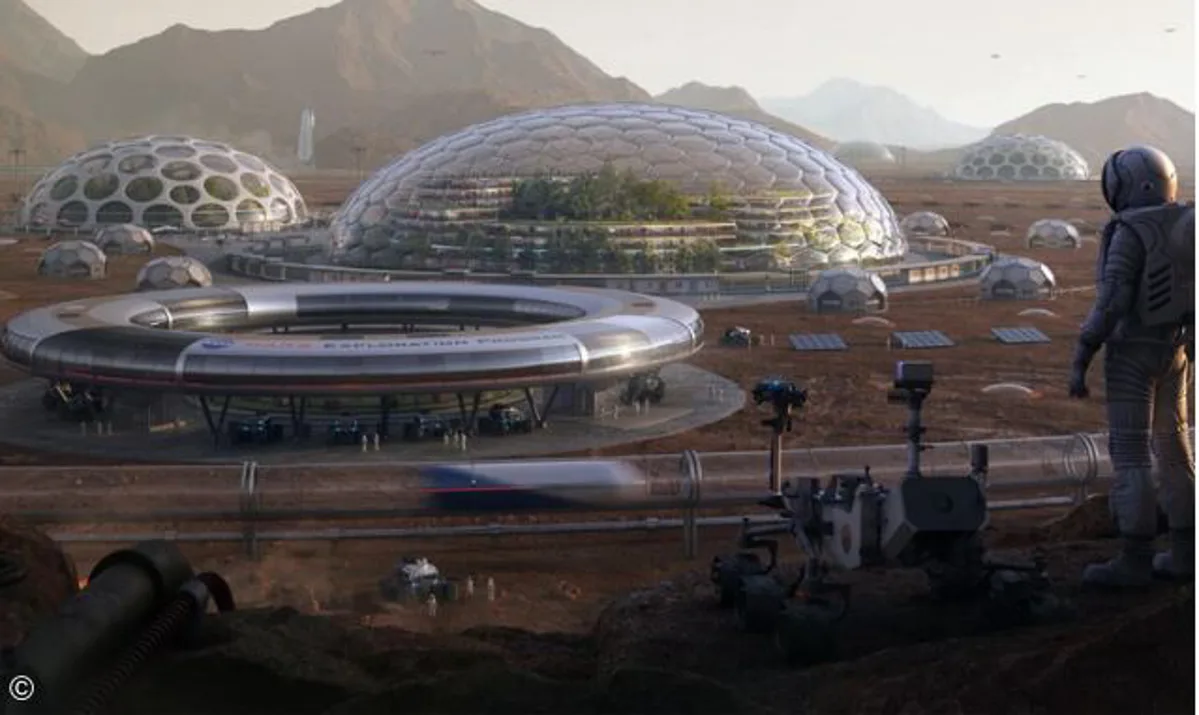
Mars remains one of the most fascinating and important planets in our solar system. Robotic missions continue to reveal new information about its history, climate, and potential for life. As technology advances, Mars may become the first planet beyond Earth where humans live and work.
Exploring Mars not only helps us understand another world but also provides valuable knowledge about the past, present, and future of our own planet.