
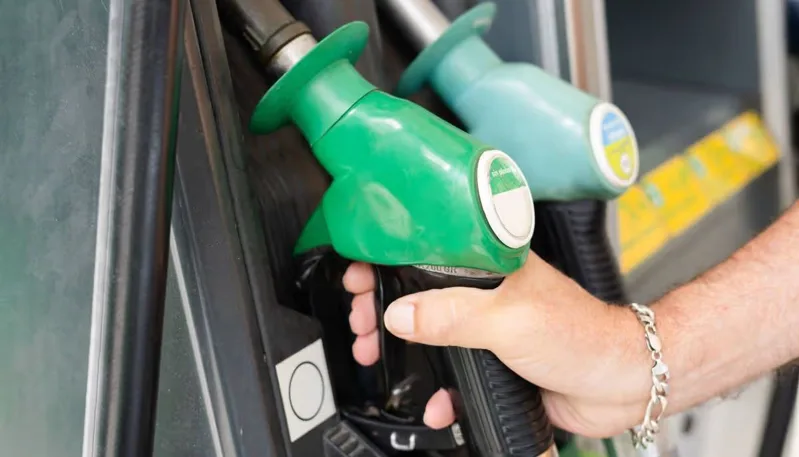
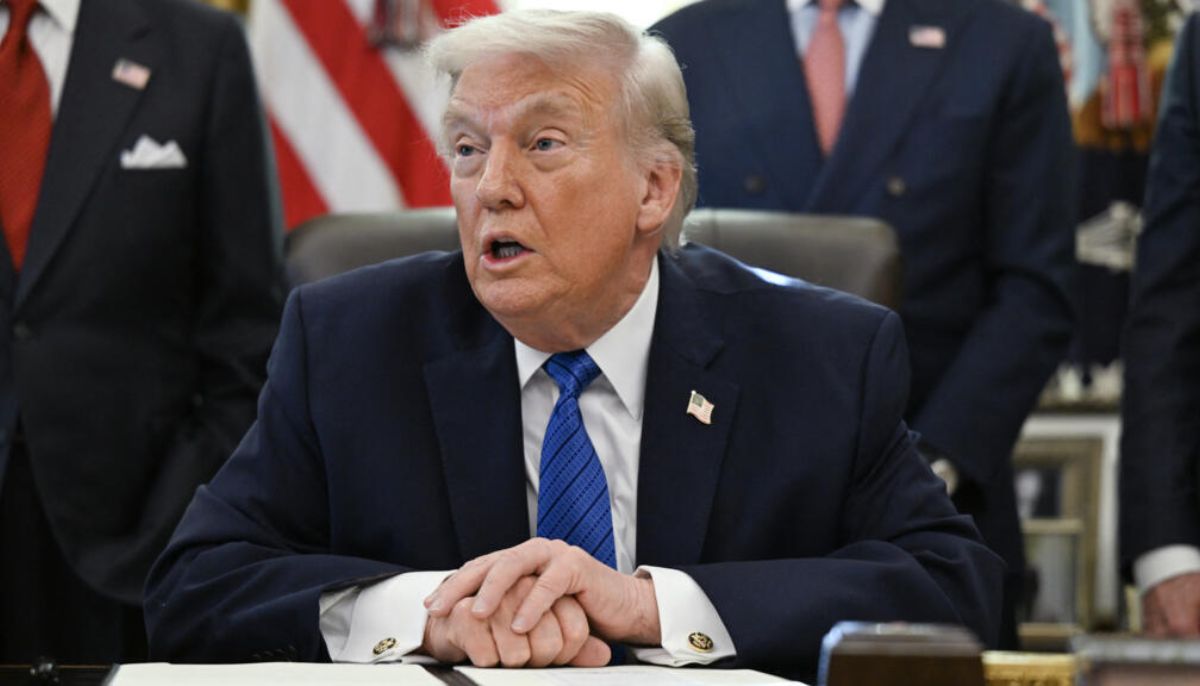
Donald Trump has announced plans to temporarily suspend the federal gas tax, a move aimed at easing rising fuel costs across the United States, though he provided no detailed timeline or framework for implementation.
In a phone interview with CBS News, Trump said:
“I think it is a great idea. We are going to take off the gas tax for a period of time, and when the gas goes down, we will let it phase back in.”
The proposal comes as fuel prices continue to rise sharply in the U.S., driven in part by global energy market disruptions linked to ongoing tensions involving Iran.
Energy Crisis Linked to Global Supply Disruptions
The escalation follows the closure of the Strait of Hormuz, a critical global shipping lane through which nearly one-fifth of the world’s oil supply passes. The disruption, which began amid conflict on February 28, 2026, has placed significant pressure on international energy markets.
According to data from AAA, average gasoline prices in the United States have increased by roughly 50% since late February, reaching a high of $4.52 per gallon on Sunday.
What is the federal gas tax?
At present, the federal fuel tax includes:
- 18.4 cents per gallon on gasoline
- 24.4 cents per gallon on diesel
The tax is a key source of funding for U.S. transportation infrastructure projects, including highways and bridges.
Economic impact concerns
Economists have cautioned that suspending the gas tax could have significant fiscal consequences. Estimates suggest the policy could cost the federal government as much as $500 million per week in lost revenue.
Political response in Congress
The proposal has already begun gaining traction among Republican lawmakers.
Senator Josh Hawley said he plans to introduce legislation in the Senate to advance the measure, while Representative Anna Paulina Luna is expected to introduce a companion bill in the House of Representatives this week.
Outlook
While the proposal remains in early stages and lacks formal legislative text, it is likely to become a major political and economic debate in Washington as fuel prices remain elevated and global energy tensions continue.