
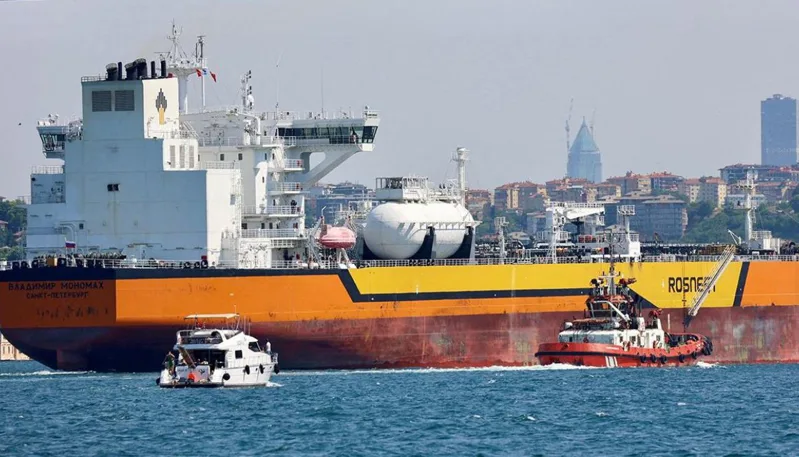
The United Kingdom is facing political and diplomatic scrutiny following reports that it has adjusted how certain Russian oil-related sanctions are applied, allowing limited imports of refined petroleum products amid growing global energy instability.
The reported move comes as international energy markets experience renewed volatility driven by escalating geopolitical tensions in the Middle East, rising fuel demand, and disruptions in key shipping routes.
Officials have not confirmed any formal rollback of sanctions on Russian crude oil. However, industry sources suggest that enforcement flexibility has increased for refined products processed in third countries, including jet fuel and diesel derivatives.
Global energy crisis intensifies amid geopolitical tensions
Energy prices have surged in recent weeks following heightened instability in major oil transit regions, particularly around the Strait of Hormuz — a critical maritime chokepoint through which a significant portion of global oil shipments pass.
Reports of disruptions in shipping lanes and rising regional tensions have triggered concerns among import-dependent economies, including several European nations.
Analysts warn that even partial disruptions in this corridor can lead to sharp spikes in global oil prices, increasing pressure on governments to secure alternative supply chains.
Russia sanctions debate resurfaces in Europe
The UK remains a key supporter of Ukraine and has been among the most vocal critics of Russia’s military actions in Ukraine. It has also imposed extensive sanctions targeting Russian energy exports since the start of the conflict.
However, the reported adjustments have sparked debate over whether Western nations are being forced to reconsider strict energy restrictions due to global supply constraints.
Critics argue that any indirect flow of Russian-origin fuels through third countries risks weakening the overall sanctions regime and could provide indirect financial support to Russia’s energy sector.
Supporters of the policy shift, however, say the changes reflect pragmatic energy security measures designed to stabilize domestic fuel prices and ensure supply continuity.
Political reactions and criticism
The developments have prompted strong reactions from political figures and commentators across Europe and Ukraine.
Ukrainian officials have expressed concern over any perceived softening of sanctions enforcement, warning that such moves could undermine international pressure on Russia during the ongoing war.
One Ukrainian lawmaker described the reported shift as “deeply disappointing,” urging Western allies to maintain unified sanctions policies.
Opposition voices in the UK have also raised questions, calling for greater transparency regarding any changes in enforcement or interpretation of existing sanctions frameworks.
Government position and clarification
UK government officials have defended current energy policies, emphasizing that there has been no official lifting of sanctions on Russian crude oil.
Instead, they argue that the measures in question relate to complex global supply chains where refined petroleum products may originate from multiple sources before reaching final markets.
Officials maintain that all actions remain within the scope of existing sanctions law and are intended to protect national energy security amid global market instability.
Broader geopolitical context
The debate over energy sanctions is unfolding against a broader backdrop of global geopolitical tension, including:
- Continued war in Ukraine
- Instability in Middle Eastern energy routes
- Rising global fuel demand
- Supply chain disruptions affecting refining and shipping capacity
These overlapping crises have created a highly sensitive environment for policymakers, who must balance geopolitical commitments with domestic economic pressures.
Market impact and outlook
Oil markets have reacted strongly to recent developments, with traders closely monitoring any signals of supply shifts from major exporting regions.
Economists warn that prolonged uncertainty could lead to sustained price volatility, particularly in diesel and aviation fuel markets, which are highly sensitive to refinery bottlenecks.
Energy analysts say governments across Europe may increasingly rely on indirect supply channels and alternative suppliers if disruptions persist.
Conclusion
While no official policy change regarding Russian oil sanctions has been confirmed by the UK government, the reported adjustments to enforcement practices have intensified political debate across Europe.
The situation highlights the growing tension between geopolitical strategy and energy security at a time when global fuel markets remain highly unstable.
Further clarification from UK authorities is expected as scrutiny continues from both domestic and international stakeholders.