
What comes to your mind when you hear about “Bitcoin mining”?
Probably large warehouses where monster sized computers are working with loud whirring sounds and eating electricity like they want every last drop of it left on Earth. The reality isn’t any different.
According to 2025-2026 research, bitcoin network all around the world annually consumes 140-150 TWh electricity, that's roughly equal to what a medium sized country like Poland consumes in a whole year.
But why does Bitcoin mining uses so much energy?
Because the system works on Proof-of-Work consensus. Miners (people who operate these industrial scale computers) solve complex mathematical puzzles and the first one to solve the puzzle wins and gets bitcoin as a reward. Bigger the competition, larger the amount of computers used and hence the electricity to run these computers. Bitcoin miners consume 0.5% of the global energy on annual basis but the question here arises: “Who is footing the bill for this power consumption?”
Mainly the miners themselves do but, the burden sometimes falls on local citizens too.
Imagine your city has limited supply of water and all the citizens are supposed to take equal amount of water but then one day, a rich man enters your city and announces he would be taking 40% of share from this water. Now with already limited supply, your city runs out of water. To fulfill the need for the citizens, local government promises to bring water from neighboring city but it costs them more. So they supply you water on a higher price and now, indirectly, you are paying for that rich man’s inconsideration.
But wait, how is it all related to Pakistan?
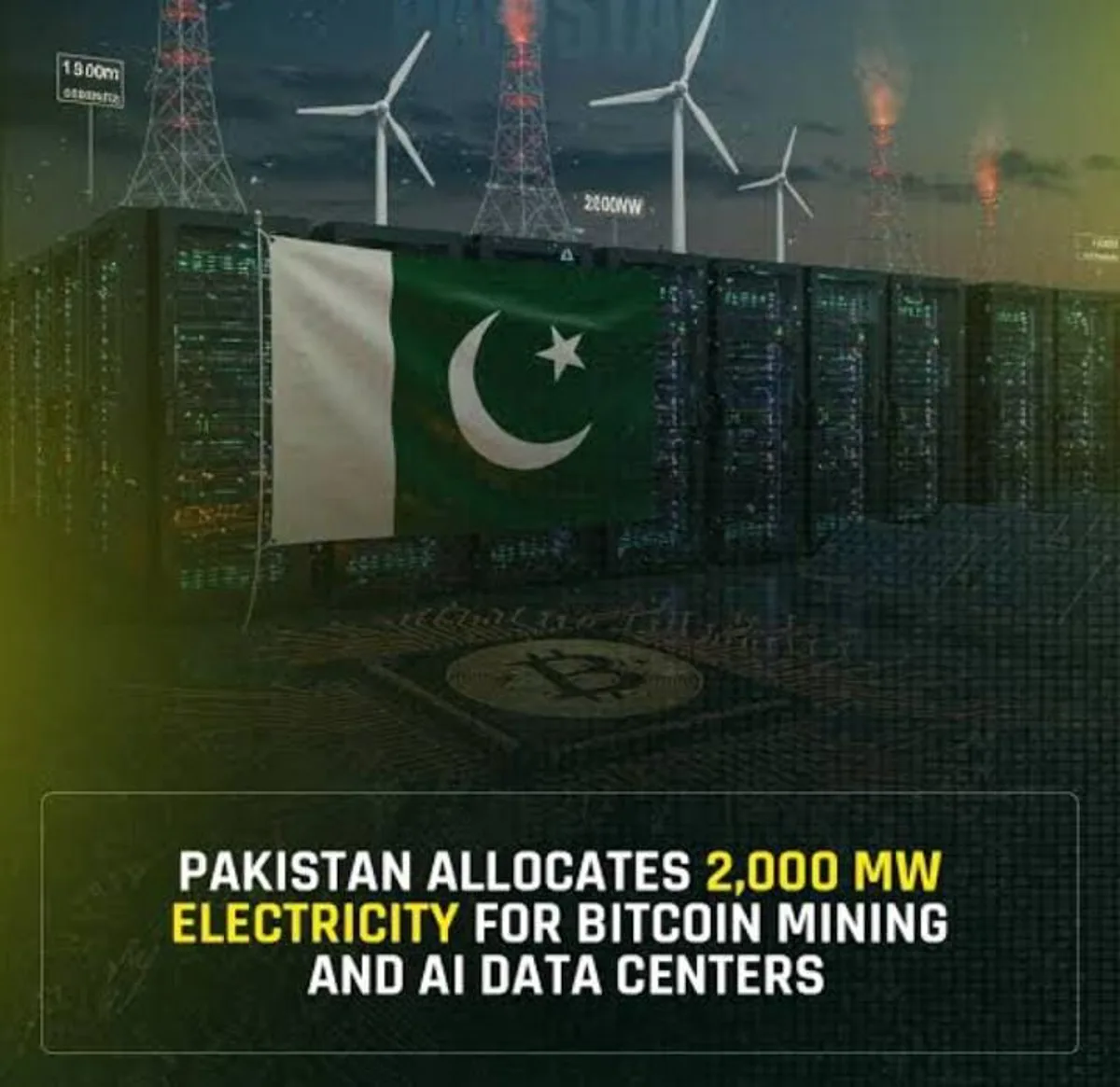
According to Pakistan’s recent major policy shift, Pakistan allocated 2,000 megawatts of electricity as “surplus” for bitcoin mining. This move was made to attract foreign investments and monetize idle capacity of power.
On commercial rate (Rs 62.47-71.06 per unit), electricity would cost miners $132,000 per Bitcoin. Even on subsidized rate (i.e., Rs 38.80-40.26), it costs around $54,000 per bitcoin which is 10 times more than Texas where industrial rate costs as low as $0.012kWh. Even in China, energy costs around $30,000 per Bitcoin, and in Kuwait, it costs $18,000.
Pakistan is still very much expensive than cheaper mining centers in the world.
If miners started getting subsidized electricity (i.e., industrial rate), taxpayers will have to pay for the subsidy: increased rates for the residential consumers. Whereas Pakistani citizens are already unhappy from electricity bills and load shedding despite Pakistan’s 45,000 megawatt capacity (nearly double than peak load). If 2,000 megawatt were to be given to miners, pressure on grid would increase causing direct effect on power supply for factories and hospitals in Pakistan. And not to forget the environmental damage, caused by estimated 43.943 million tons of carbon dioxide emissions from bitcoin miners.
IMF has strongly criticized Pakistan’s plan amid severe energy shortages, demanding answers about how this mining push could be legal or logical.
Pakistan's plan sounds good on paper: free electricity, foreign investment, all of it. But when your own citizens are already struggling with their bills, selling off the 'SURPLUS' doesn't feel smart, it feels like a gamble someone else ends up paying for!
Cheap electricity for miners, expensive bills for everyone else, that's not a policy, that's a trade-off nobody voted for!