
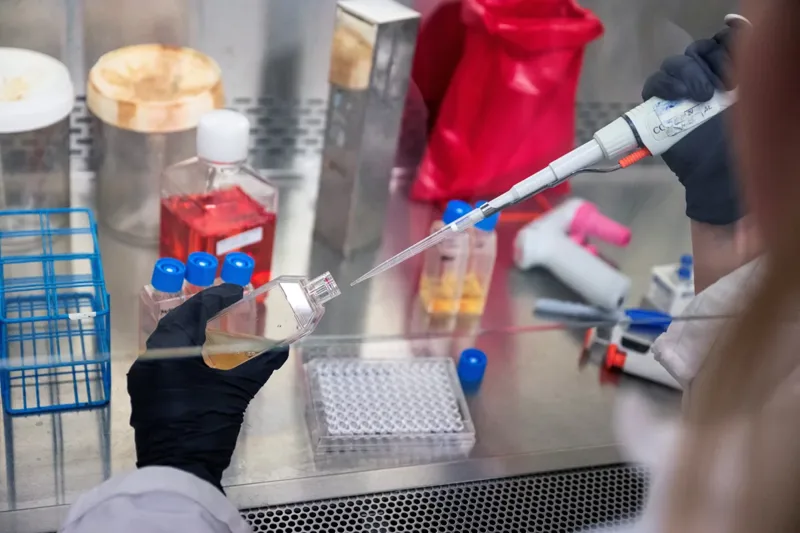
New research shows that cancer is one of the biggest health problems in the whole world. Millions of people are diagnosed with the cancer every year, and scientists are looking for better ways to treat a cancer patient.
One of the newest and most exciting ideas is using mRNA vaccines to help the body's immune system to fight against the cancer. This was the same technology that is used to make COVID-19 vaccines. These new vaccines do not stop peoples from cancer. Instead, they help the body to find and destroy cancer cells after cancer has been developed.
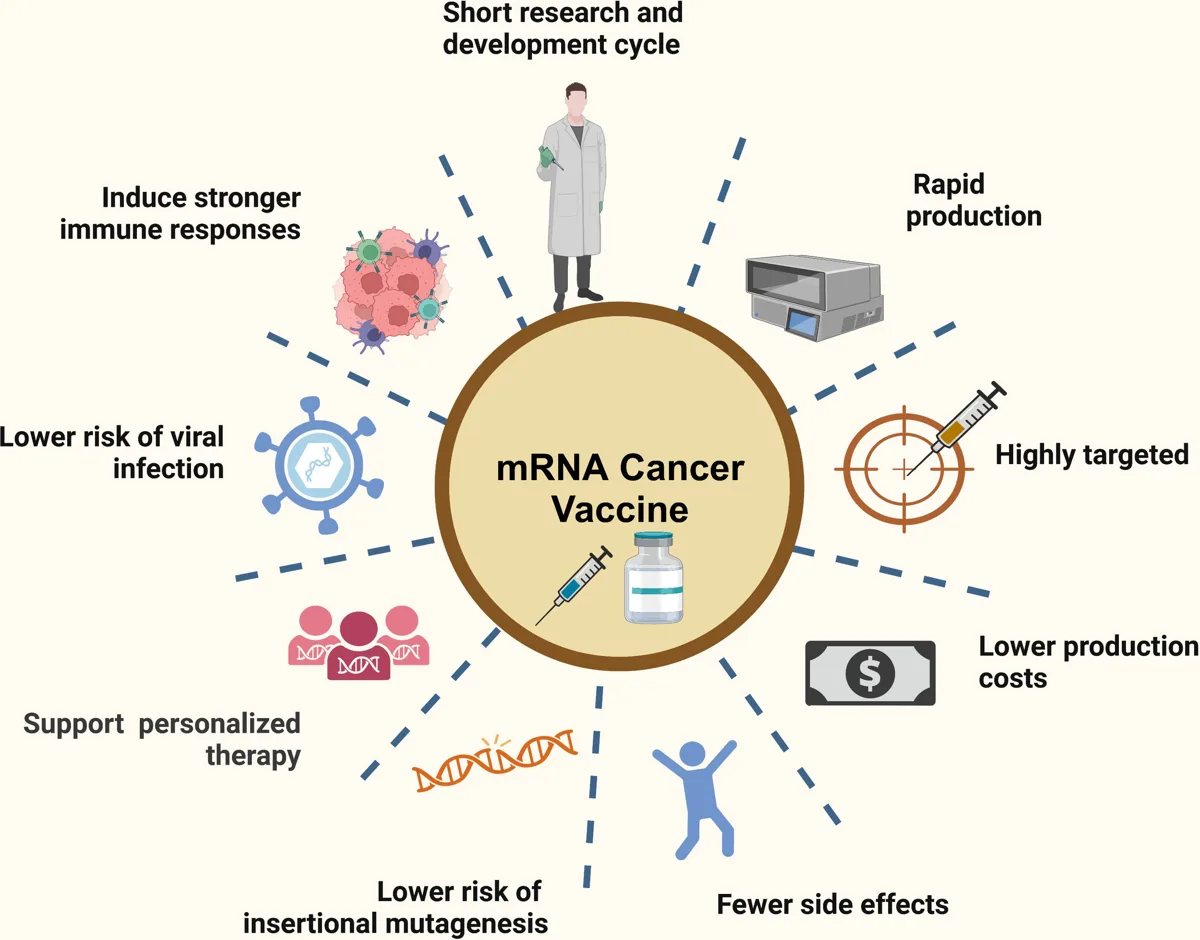
Progress in mRNA Cancer Vaccines
More than 130 studies about mRNA cancer vaccines are presented at the American Society of Clinical Oncology (ASCO) meeting in the Chicago. These studies shows that scientists are making good progress in making cancer vaccine. One of the biggest successes comes from the Moderna and Merck. Their personalised mRNA vaccine given together with immunotherapy medicine. The treatment helped some people with the melanoma, and a serious type of skin cancer, and stays free from cancer for five years. The companies are also testing the vaccine for the lung, kidney, bladder cancer, and pancreatic cancers.
Hope for Pancreatic and Brain Cancer
Scientists are also seeing hopeful results in the pancreatic cancer, which are the hardest cancers to treat. Dr. Vinod Balachandran and his team created special vaccine for each patient using the information from the patient's tumour after the surgery. In an early study of 16 patients, 8 patients showed a strong immune response, and the 7 of them are still alive up to six years later. A larger study with 260 patients is now taking the place to see if the treatment really works for more people.
Researchers also testing mRNA vaccines for glioblastoma, a very dangerous type of a brain cancer. They hope that these vaccines will help the immune system to attack brain cancer cells more effectively. Although the research is still in its early stage, but the first results are encouraging.
Funding Challenges
At the same time, the US government also reduced $500 million in funding for some mRNA vaccine projects. The National Cancer Institute (NCI) is also supporting cancer vaccine research through the a $200 million public-private partnership. Many scientists believe that continued research is very important because most mRNA technology could improve cancer treatment and save many lives in a future.
mRNA cancer vaccines are one of the most promising new developments in the medical science. More research and clinical trials are still needed for these vaccines, but the early results give hope that these vaccines could help the patients to live longer and receive more personalised and effective cancer treatment in the future.