
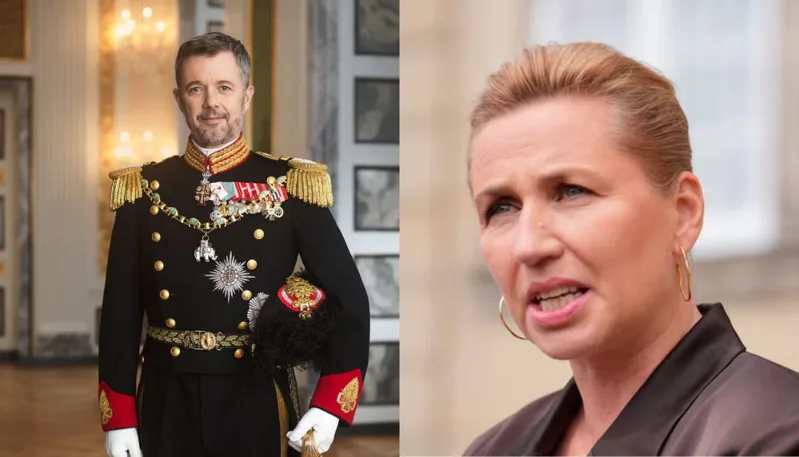
Danish Prime Minister Mette Frederiksen is set to continue in office after King Frederik X formally invited her to form a new government, despite her Social Democratic Party losing its parliamentary majority in the March 24 elections.
The election results produced a highly fragmented parliament, with 12 different parties securing seats in the 179-member legislature. The Social Democratic Party secured 38 seats, down from 50 in the previous election, falling short of a governing majority.
Following two months of intense negotiations among political blocs, Frederiksen confirmed that a broad center-left coalition agreement had been reached. She informed King Frederik X of the outcome during an official audience at Amalienborg Palace, where the monarch is traditionally briefed before government formation is finalized.
The Danish royal household subsequently confirmed that the King had granted Frederiksen the mandate to form a new government, paving the way for her to continue as prime minister for a third term.
Announcing the agreement, Frederiksen said: “It is a government platform for the people of Denmark, for future generations, and for animals as well.”
The coalition’s policy priorities are expected to be unveiled on Tuesday, followed by the announcement of a new cabinet on Wednesday.
Frederiksen, Denmark’s second female prime minister, now continues her leadership at a time of shifting domestic politics and heightened geopolitical sensitivities, particularly amid ongoing tensions with the United States over Greenland.
U.S. President Donald Trump has repeatedly expressed interest in acquiring Greenland, a semi-autonomous territory within the Kingdom of Denmark, adding an external layer of pressure to Copenhagen’s political landscape.
With a fragmented parliament and complex coalition dynamics, Frederiksen’s third term is expected to be shaped by both domestic compromise and delicate international diplomacy.