
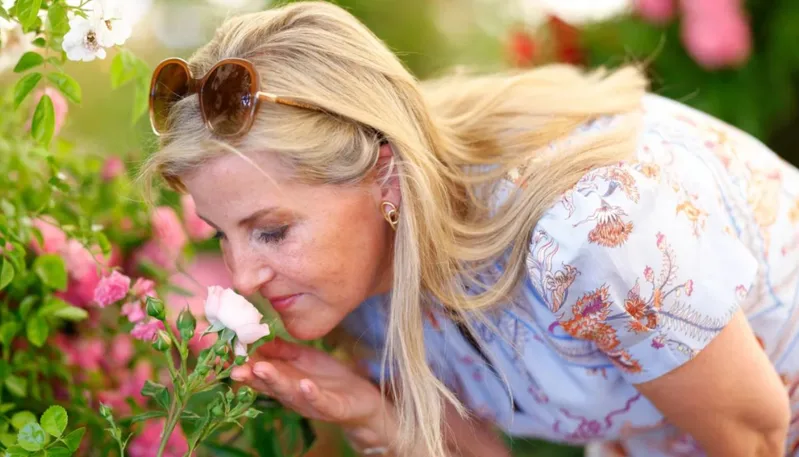
Sophie, Duchess of Edinburgh, has once again stepped into a role that defines her modern position within the British royal family—not as a headline-grabbing figure, but as a long-game influencer in environmental, agricultural, and social policy narratives.
Her latest initiative, the “Plants With Purpose Garden” showcased ahead of the Royal Windsor Flower Show, is not just a ceremonial appearance. It reflects a broader strategic pattern in her public work: aligning royal visibility with practical, low-politics global issues such as food systems, soil health, and biodiversity awareness.
Beyond the Flowers: Why This Garden Matters More Than It Looks
At first glance, a royal-designed garden might appear symbolic. But Sophie’s involvement goes deeper into a recurring theme across her patronages.
She has consistently focused on:
- sustainable farming education
- pollinator protection
- food production awareness
- rural community resilience
Her participation in the garden design process reflects the growing royal emphasis on “soft diplomacy through environment and health.”
This is important because modern monarchy no longer operates through political authority—but through agenda influence and public trust-building in non-controversial global sectors.
The Strategic Role Sophie Plays Inside the Royal Family
Unlike senior royals who dominate media cycles, Sophie’s public role is defined by consistency rather than visibility spikes.
Across years of engagements documented by institutions and royal archives, she has positioned herself within three consistent pillars:
1. Agriculture & Food Systems
Her long association with farming bodies and agricultural shows places her at the centre of Britain’s rural advocacy network.
2. Women, Peace & Social Development
Her work with international organisations on conflict-related issues has added diplomatic depth to her profile.
3. Public Health & Community Welfare
Her involvement in health-related awareness campaigns reflects a shift toward “everyday monarchy”—less ceremony, more applied advocacy.
This triad gives her a unique identity: not ceremonial royalty, but issue-based royal representation.
Why “Quiet Royals” Are Becoming More Important
In the current royal communication era, attention is heavily concentrated on a few senior figures. However, royals like Sophie serve a different function:
- They maintain institutional continuity
- They operate in less politicised spaces
- They strengthen international soft-power networks
- They ensure visibility across sectors the monarchy still influences quietly
This is why her gardening initiative is more than lifestyle imagery—it reinforces a long-term royal branding strategy focused on environmental legitimacy.
The Windsor Flower Show as a Soft-Power Platform
The Royal Windsor Flower Show is not just a public event; it is part of a broader tradition where royal patronage intersects with environmental messaging.
Sophie’s garden fits into a modern narrative trend:
- sustainability as national identity
- food production as security discussion
- biodiversity as public education
- gardening as climate literacy
In other words, what looks like a floral exhibition is increasingly becoming a public diplomacy platform wrapped in cultural tradition.