
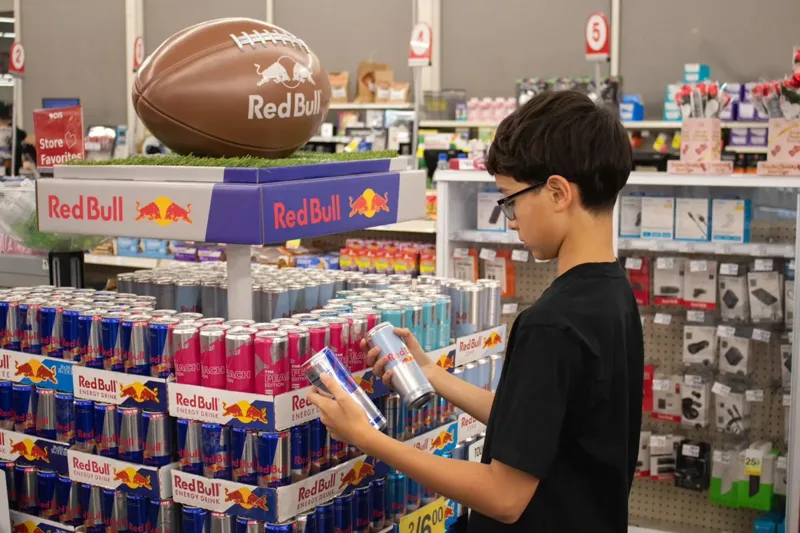
England is set to introduce a nationwide ban on the sale of high-caffeine energy drinks to anyone under the age of 16, with the new law expected to take effect in April 2027. The move is part of the government's wider effort to improve children's health and reduce the risks linked to excessive caffeine consumption.
Under the new rules, drinks containing more than 150 milligrams of caffeine per litre will no longer be allowed to be sold to children under 16. The ban will apply across England in shops, supermarkets, convenience stores, cafes, restaurants, vending machines, and online retailers. Before the law comes into force, it still requires approval from Parliament.
Many popular energy drinks sold today, including products such as Red Bull, Monster, Relentless, and Prime Energy, contain caffeine levels above the legal limit and will fall under new restrictions. However, beverages such as tea, coffee, and most soft drinks like Coca-Cola will not be affected because they contain lower caffeine levels or are regulated differently.
The British government says the decision follows growing scientific evidence linking high-caffeine energy drinks to several health problems in young people. Studies have suggested that excessive caffeine intake can lead to poor sleep, increased anxiety, difficulty concentrating, headaches, and lower performance at school. Health experts also warn that regular consumption may encourage unhealthy eating habits and contribute to childhood obesity.
According to the government estimate, around 100,000 children in England drink high-caffeine energy drinks every day. Officials believe reducing access to these products could improve children's physical and mental well-being while helping them develop healthier long-term habits.
For many families, the announcement may not seem like a major change because several supermarket chains have already refused to sell energy drinks to under-sixteens as part of their own company policies. However, those restrictions were voluntary and not legally required. The new legislation will make the age limit enforceable across all retailers, including smaller independent shops and online sellers. Retailers who fail to follow the law could face financial penalties. Local authorities and trading standards officers will be responsible for enforcing the rules and ensuring businesses comply with the new requirements once they come into effect.
Supporters of the ban have welcomed the decision, saying it will help protect children from products that are often heavily marketed to young consumers. Public health organisations argue that many teenagers consume energy drinks before school, during sports activities, or while gaming late into the night, increasing the risk of sleep problems and reduced concentration the following day.
Not everyone agrees with the government's approach. Some critics believe parents should decide what their children can consume rather than the government introducing legal restrictions. Others argue that education about healthy choices would be more effective rather than banning sales. Despite these concerns, public consultation showed strong support for introducing a legal age limit on high-caffeine energy drinks.
The energy drink ban is one of several measures the government says are designed to improve children's health. Officials hope that reducing access to highly caffeinated beverages will help young people sleep better, focus more in schools, and reduce avoidable health risks linked to excessive caffeine consumption.
If approved by Parliament, the law will take effect in April 2027, making England one of the countries with stricter rules on the sale of high-caffeine energy drinks to children.