
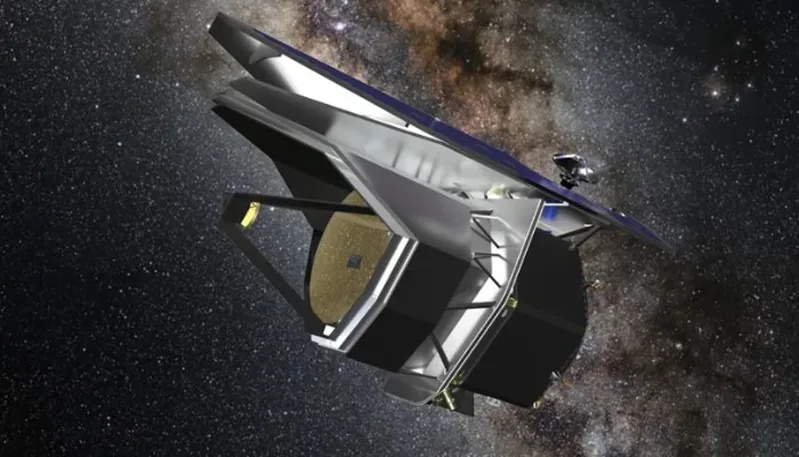
NASA has moved its proposed PRIMA space telescope into preliminary design and technology development, a step towards a mission intended to study the universe in far-infrared light.
The agency announced the decision on September 23. PRIMA is targeting a 2033 launch and five years of operations.
A development decision, with another review ahead
The mission has entered Phase B. It must pass a confirmation review before implementation; technical, schedule and cost performance will be assessed.
Its 5.9-foot telescope would extend observations beyond Webb’s infrared range towards wavelengths covered by radio observatories. Questions include how galaxies and black holes evolve and how planets form.
The distinction for readers is between a project advancing and a spacecraft being ready to fly. The next review will determine whether PRIMA is ready for implementation.
Explore more reporting in our Science & Health section.