
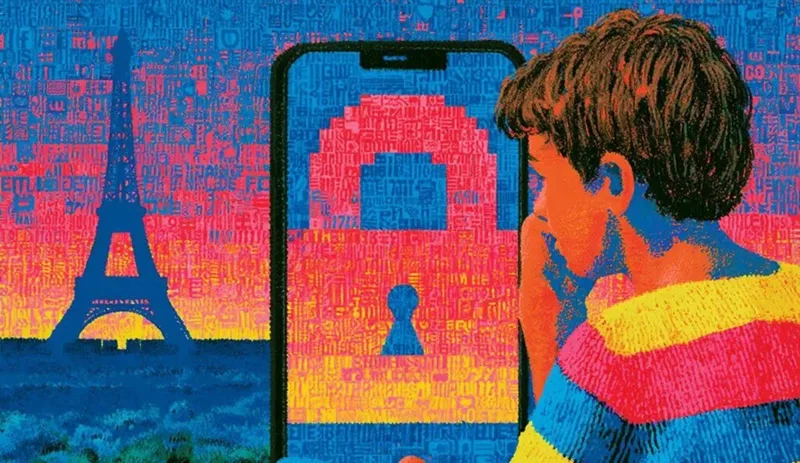
France has approved a landmark law that will ban children under the age of 15 from accessing most social media platforms. The legislation, backed by President Emmanuel Macron, is designed to better protect young people from the harmful effects of social media, including cyber-bullying, addictive online behaviour, inappropriate content, and mental health risks. The move makes France the first country in the European Union to introduce such a nationwide restriction.
The new law was passed after months of debate in the French Parliament. Lawmakers voted in favour of creating what the government calls a "digital majority" age of 15. Under the new rules, children younger than 15 will not be allowed to create or use accounts on most major social media platforms. President Macron has said he wants the law to be in effect before the start of the new school year.
The restrictions are expected to apply to popular platforms such as TikTok, Instagram, Snapchat, Facebook, and X. However, some online services will be exempt, including educational platforms, online encyclopedias such as Wikipedia, and certain open-source educational projects. The law focuses on social networking services rather than the internet as a whole.
One of the biggest challenges will be enforcing the ban. The legislation requires social media companies to introduce reliable age verification systems to prevent children under 15 from opening new accounts. While the law does not specify exactly how companies must verify users' ages, officials expect platforms to use methods such as government-approved digital identity systems or other secure age verification technologies.
According to the current timetable, children under 15 will be prevented from creating new social media accounts starting in September. Existing accounts belonging to users under 15 will have a transition period before they must be closed or verified. The phased roll-out is intended to give social media companies time to update their systems and comply with the new requirements.
French officials say the decision was affected by growing concerns about the effect social media has on children's well-being. Studies have linked excessive social media use to increased anxiety, depression, sleep problems, exposure to harmful content, and online harassment. Lawmakers argue that limiting young children's access to these platforms will help create a healthier digital environment while encouraging families to spend more time offline.
Supporters of the law believe it is an important step toward protecting children in the digital age. They argue that social media companies have not done enough to keep young users safe and that stronger legal protections are necessary. Some parents and child safety organisations have welcomed the decision, saying children should not be exposed to the pressures and risks of social media at such an early age.
However, the law has also sparked debate. Critics question how effective age verification systems will be, arguing that determined users may still find ways around the restrictions. Others have raised concerns about online privacy, freedom of expression, and whether requiring identity verification could create new risks for users' personal data. Legal experts also note that implementation must comply with European Union digital regulations.
France's decision reflects a growing international trend toward stricter regulation of children's online activity. Australia previously introduced a similar ban for users under 16, and several other countries are considering comparable measures. French officials hope their law will encourage broader action across Europe to improve online safety for young people.
Although questions remain about enforcement and long-term effectiveness, the legislation represents one of Europe's strongest attempts so far to limit children's access to social media. The government says its main goal is to protect young people during their most vulnerable years while promoting healthier use of digital technology.