
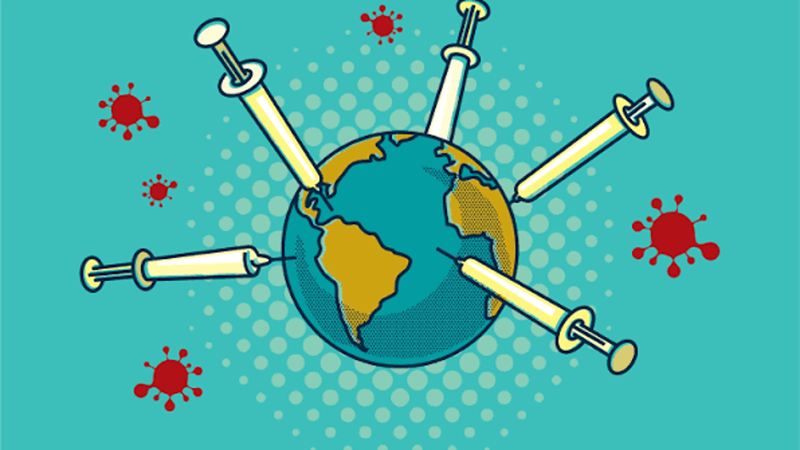
Vaccination is one of the best methods of preventing people from contracting harmful diseases. Governments and health bodies around the world are collaborating to increase immunization programmes and more people access life-saving vaccines. These initiatives are contributing to the control of infectious diseases and the general public health.
According to health experts, vaccines have saved millions of lives by preventing children and adults from catching the measles, polio, hepatitis and flu. Immunity can not only keep individuals protected from disease, but also from communities-wide outbreaks. The more that are vaccinated, the less chance diseases have of spreading.
.webp)
There will be a need for challenges to be dealt with:
While progress has been made, there are still a number of challenges including lack of healthcare facilities, misinformation, vaccine hesitancy and poor access in isolated places. Education and awareness campaigns are seen as crucial to educate people about the safety and importance of vaccines. Access for rural populations and supply continuity of vaccines are still critical challenges.
Cooperation around the world increases public health:
World Health Organization (WHO) and other international bodies, governments and health professionals have continued to collaborate on enhancing vaccine distribution and healthcare. Research, medical facilities and public education investments are improving the effectiveness and availability of immunization programs. Cooperation between countries is necessary to be prepared for future health emergencies, experts believe.
Vaccination remains a key measure to save lives and create healthier societies. There are challenges, but with better health systems, greater public awareness and international collaboration, more people will get the lifesaving vaccines. As resources are invested in immunization programs, a safer and healthier future for everyone will be created.