
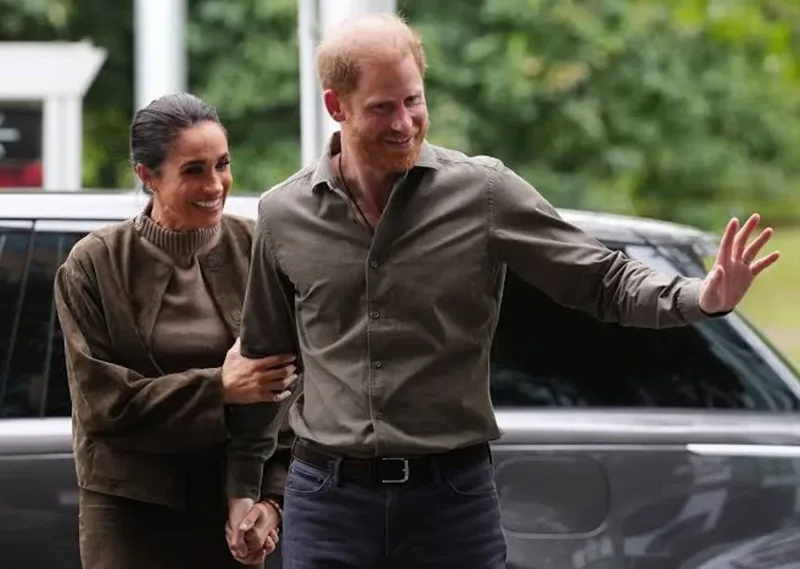
Prince Harry, Meghan and their two children landed at Birmingham airport on Wednesday, August 26, flying in privately from California to begin what’s being described as an extended stay in Britain ahead of Archie and Lilibet starting school in September. Coverage of the landing itself has been extensive. What’s had far less attention is the one practical question that was still open before they left California — and remains open now that they’re actually here.
What's settled, and what still isn't
As we covered when the return was first announced, Harry and Meghan’s status hasn’t changed: they remain private, non-working members of the royal family, living in a non-royal residence, under the same framework set in 2020. That part is fixed. What isn’t fixed is who pays for their security, and specifically whether RAVEC — the committee that decides publicly funded protective security in the UK — will restore taxpayer-funded police protection for the family now that they’re living in Britain full-time.
Where the RAVEC decision actually stands
The risk assessment RAVEC ordered was completed at the end of July, and Harry has been formally notified that the evaluation concluded — but as of this week, he still doesn’t know the outcome. According to reporting around the arrival, no final decision on the Sussexes’ security arrangements was reached before they landed, and none is expected imminently either. Instead, temporary measures are reportedly being put in place to cover the family while RAVEC completes its fuller review, rather than a permanent determination being made in time for the move itself.
That’s a meaningfully different situation from what a lot of coverage implied in the days before the family flew in. This wasn’t a return that came with security fully sorted; it’s a return that’s proceeding in parallel with an unresolved process, with interim arrangements filling the gap.
Why "temporary" is doing real work in that sentence
Temporary security measures in cases like this typically mean short-term protective cover — arranged either through police resources on an ad hoc basis or private security — while the underlying question of ongoing, funded status gets worked out separately. It’s not nothing, but it’s also not the same as RAVEC formally restoring Harry’s pre-2020 protection status, which is the actual decision everyone is waiting on. Home Office sources have suggested that decision is likely to land in Harry’s favour eventually, but “eventually” is doing a lot of work in that sentence too, given RAVEC has already taken since October 2025 to get this far.
What to actually watch next
The family being physically in the UK doesn’t resolve this; if anything, it raises the stakes on getting an answer, since interim measures aren’t designed to be a long-term substitute for a real determination. The concrete thing worth watching isn’t another “Harry and Meghan seen out in public” story — it’s whether RAVEC actually issues its final ruling, and what it says. That’s the piece of this return that was genuinely unresolved a week ago, and it still is.