
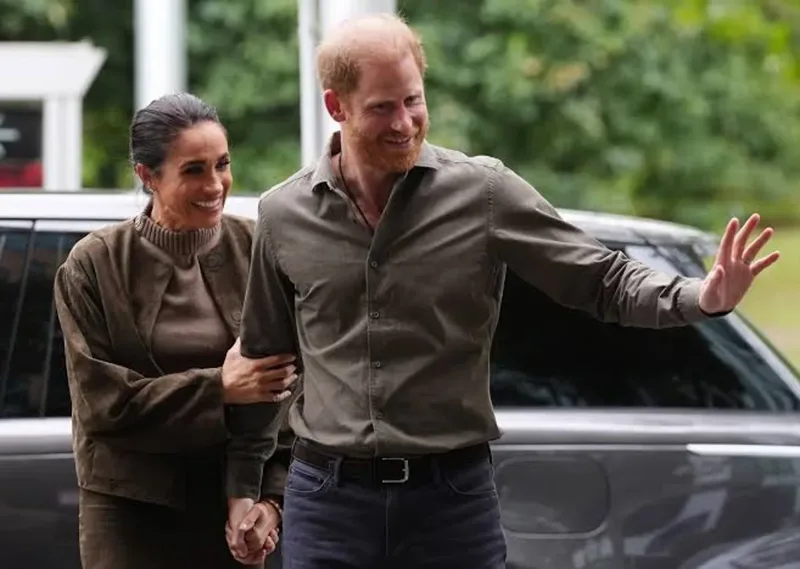
Among the practical questions raised by Harry and Meghan’s move back to Britain, one stands out as genuinely unresolved: who pays for their security. Round-the-clock protection for a family of four has been estimated at £3 million to £5 million a year, and unlike the question of their royal status — which the Palace settled definitively — this one is still being decided, through a process that’s been running for years.
Why this isn't a simple taxpayer-funded default
Harry and Meghan are private, non-working members of the royal family living in a non-royal property, which means they don’t automatically qualify for the police protection extended to working royals carrying out official duties. Since stepping back in 2020, their security has been governed by RAVEC — the Royal and VIP Executive Committee, the body that decides who receives publicly funded protective security in the UK. RAVEC downgraded Harry’s status after he stepped back, removing the automatic protection he’d had as a working royal.
The legal fight that's shaped this
Harry challenged that downgrade in court, arguing RAVEC’s process was flawed and that his family’s safety was being treated inconsistently with how it assessed risk for others. He lost: an appeals court in London upheld the High Court’s original ruling in favour of RAVEC in May 2025, with Harry calling the outcome an “establishment stitch-up.” That looked, at the time, like the end of the road.
It wasn’t. In October 2025, Harry wrote privately to the Home Secretary, Shabana Mahmood, requesting a fresh, comprehensive risk assessment — the first since 2019. Two things had changed since his original case: the procedural gap of six years without a formal reassessment, and a series of documented security incidents during his UK visits through 2025, including a stalking episode that September. In December 2025, RAVEC’s Risk Management Board agreed to conduct that reassessment.
Where it stands now
The risk assessment was completed at the end of July 2026, just weeks before the relocation announcement. RAVEC is now weighing whether Harry and his family should receive taxpayer-funded armed police protection once they’re living in Britain full-time — a live decision, not a settled one. Home Office sources have suggested the outcome is likely to favour Harry this time, which would mark a rare reversal after years of the committee holding its position.
If that reversal happens, it resolves the funding question in the most straightforward way: public protection, on the same footing as before 2020. If it doesn’t, the couple would be left arranging and funding private security themselves at the £3-5 million estimate, or negotiating some hybrid arrangement — neither of which has precedent for a family in their specific position. Either way, this is the piece of the return that still has a real decision attached to it, well after the more symbolic questions about their status were already closed.