
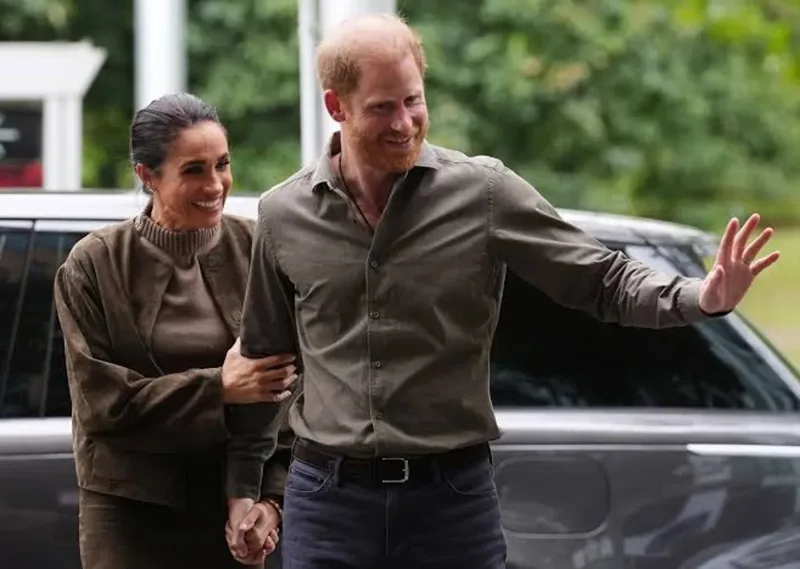
This week’s gathering of the royal family at Balmoral has been widely described as a “summit” convened to address Harry and Meghan’s return to Britain. It’s a fair word for it, but it isn’t the first time. On January 13, 2020, Queen Elizabeth II summoned Charles, William and Harry to Sandringham for exactly the same kind of meeting — one that produced the actual document governing Harry’s status ever since. Understanding what that meeting decided is the difference between reading this week’s news accurately and reading it as if the last six years didn’t happen.
What the Sandringham summit actually settled
The 2020 meeting wasn’t just a conversation; it produced a formal agreement, released by Buckingham Palace on January 18. Harry and Meghan would step back from royal duties entirely, stop using their HRH styling in an official capacity, and become privately funded — no longer drawing on public money for their role. Security was carved out as a separate, ongoing question rather than settled outright, which is precisely the thread that’s been working its way through RAVEC and the courts ever since. The transition took effect at the end of March 2020, and notably, the original agreement included a built-in 12-month review clause — a formal checkpoint that, as far as public record shows, never produced any announced renegotiation of the core terms.
Why 2026 isn't a rerun
The structural difference is worth being precise about. The 2020 summit was about departure: negotiating the terms under which two working royals would stop being working royals. The 2026 gathering is about the opposite scenario — a return — but critically, it isn’t being handled as a renegotiation of the framework at all. Buckingham Palace has been explicit this week that Harry and Meghan remain private, non-working members of the family under the same terms set in 2020; moving back to Britain is being treated as a change of address within that existing framework, not a reopening of it.
The other difference is who’s actually in the room. In 2020, Elizabeth II chaired the meeting as monarch, with Charles and William present as heir and second-in-line respectively. In 2026, Charles is chairing as both monarch and father, and William — now further along in his own preparation to eventually reign — is a far more central figure in how the family manages this than he was as a 37-year-old heir six years ago.
What would actually count as change
Given that the Palace insists nothing about status is shifting, the real things worth watching are the specific, narrow questions still genuinely unresolved — chiefly, RAVEC’s pending decision on whether Harry’s family receives publicly funded police protection now that they’re living in Britain full-time. That decision, alone among everything discussed this week, has the power to quietly alter the practical shape of the 2020 agreement without the Palace ever having to call it a renegotiation. Everything else being reported as dramatic — the summit, the family tensions, the symbolism of Balmoral — is happening inside a framework that was actually fixed six years ago and hasn’t moved since.