
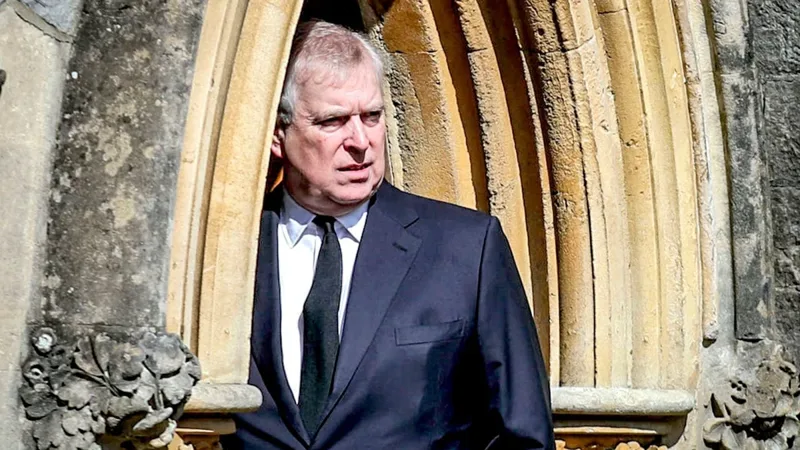
King Charles quietly invited Andrew Mountbatten-Windsor to stay at Balmoral Castle this month — and Andrew turned him down. The offer, reported this week, was framed by sources close to the family as a private act of concern for Andrew’s wellbeing rather than any softening of his formal position, six months after his February arrest and a year after he was stripped of his prince title.
Why Charles made the offer
The King is said to be genuinely worried about Andrew’s mental state amid the sustained public scrutiny over his past association with Jeffrey Epstein. The proposed visit was structured carefully: Andrew would only travel to Balmoral after Charles and Queen Camilla had already left the estate, allowing him to use the grounds and golf course away from public view and away from the rest of the family gathering. Sources close to the Palace were explicit that this was about giving Andrew a quiet, stress-free break — not a step back toward any public or official role.
Why Andrew said no
Andrew reportedly declined because he feared being treated as an outcast even in a near-empty Balmoral, according to a friend quoted in coverage of the invitation. The same source described him as feeling abandoned by the family and seeing little benefit in making the trip under those conditions — arriving to an estate his relatives had just left, rather than being part of the gathering itself.
What this does and doesn't change
It’s worth being precise about what a family gesture like this actually means, especially given how easily “Charles reaches out to Andrew” gets read as “Andrew is being rehabilitated.” Nothing about his formal position has moved. He remains stripped of his prince title and military honours, a change King Charles made unilaterally in October 2025. He remains eighth in the line of succession, because — as covered in our earlier explainer on the succession rules — removing someone from the line of succession requires an Act of Parliament coordinated across the Commonwealth realms, not a decision either the King or the family can make alone. And the underlying facts haven’t changed either: Andrew remains under investigation over the 2001–2011 trade envoy allegations, with no charges confirmed, and still faces a separate stalking case scheduled for trial in December.
What the declined invitation actually shows is something narrower and more human: a father trying to offer some private relief to a son under enormous strain, and that son deciding the terms of the offer weren’t worth accepting. It’s a family story, not an institutional one — and conflating the two is exactly the kind of imprecision that’s made this saga harder to follow than it needs to be.