
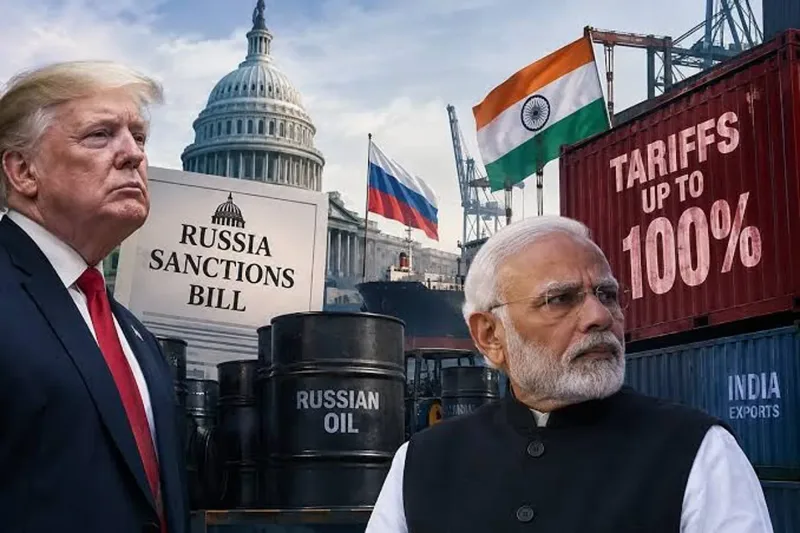
India defended its purchases of Russian oil on September 17 as new US legislation threatened steep tariffs on countries continuing to buy Russian energy.
New Delhi’s response puts energy costs at the centre of the dispute. The Ministry of External Affairs said securing affordable supplies for India’s 1.4 billion people remained a priority, The Indian Express reported.
India said its buying decisions would continue to reflect the need for reliable energy. That position challenges Washington’s effort to put further pressure on Russia through its overseas customers.
What Washington’s move means
Reuters reported that the US House had passed a bill authorising tariffs of up to 100%, with the legislation sent to President Donald Trump for signature. India warned that the measures could affect bilateral relations.
The reported figure is a maximum authorised rate. It does not, by itself, establish which products would face that rate or when a charge would take effect.
Why India is resisting
The government’s argument is that a large population and economy need steady, affordable fuel. Its response frames purchasing decisions around domestic needs rather than an automatic acceptance of another country’s restrictions.
For businesses, the distinction between a legislative threat and an implemented tariff is crucial. The details that determine the actual impact are the final measure, its start date, the goods covered and any exceptions.
A tariff ceiling is not the same as a confirmed charge on every shipment.