
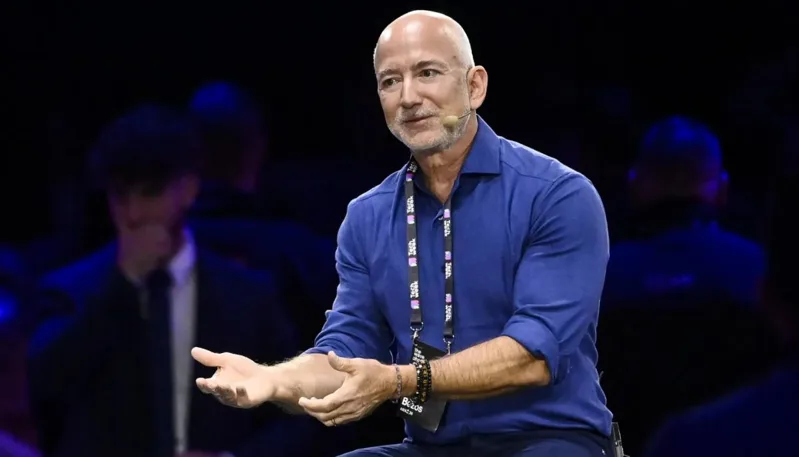
Jeff Bezos has sparked widespread debate after outlining a controversial tax proposal during a recent media interview, reigniting discussions about income tax, wealth inequality, and fiscal policy in the United States.
The Amazon founder suggested that the bottom 50% of U.S. earners should pay zero federal income tax, arguing that lower-income households are already under financial pressure and should be relieved of tax burdens entirely. According to Bezos, this group currently contributes a very small share of total federal tax revenue.
Bezos claimed that eliminating income taxes for lower earners could encourage entrepreneurship and financial mobility, allowing people to invest more in housing, education, and small business opportunities.
At the same time, he criticized broader political debates around taxing billionaires, arguing that simply increasing taxes on the ultra-wealthy would not automatically translate into better public services or economic outcomes.
The proposal quickly went viral online, especially after comparisons were drawn between Bezos’s views and ongoing political debates in cities like New York, where leaders are pushing for higher taxes on high-income individuals.
What the proposal means in practice
If such a policy were ever implemented, it would primarily affect low- to middle-income taxpayers, who would see their federal income tax burden reduced to zero. However, economists note that such a shift would require major restructuring of government revenue systems.
Currently, federal income tax plays a major role in funding public services such as infrastructure, defense, healthcare programs, and social welfare. Removing a large tax base would require either:
- Increased taxes on higher-income groups
- Higher consumption taxes
- Or significant government spending cuts
Why the proposal is controversial
Supporters say the idea could:
- Reduce financial pressure on struggling households
- Boost spending and economic activity
- Encourage job creation and entrepreneurship
Critics argue it could:
- Increase pressure on the middle and upper-income taxpayers
- Create funding gaps in public services
- Oversimplify complex tax structures
How ordinary citizens would be affected
For most working Americans, the direct impact would depend on how the policy is balanced. While lower earners could benefit from reduced taxes, economists warn that indirect effects—such as changes in pricing, wages, or government services—could offset some of those gains.
Broader political reaction
The comments have intensified ongoing debates in the U.S. over wealth taxes, income inequality, and fiscal reform, with policymakers split over whether the focus should be on relieving lower-income taxpayers or increasing contributions from billionaires.
As of now, the proposal remains a public policy suggestion and not an official legislative plan.