
Pop stars from four continents come together for FIFA's first-ever World Cup final halftime concert, which aims to bring a divided world together.
For the first time ever, Justin Bieber, Madonna, Shakira, and BTS will share a stage, turning the break between two sporting events into a spectacle on par with the famous performances of the Super Bowl.
Allowing many years, the World Cup final has consisted of roughly ninety minutes of football-related drama, interspersed with a short break allowing viewers to get refreshments and tired players to catch their breath. However, FIFA has announced something unprecedented: a full-scale halftime show featuring some of the biggest musical groups on the planet, signifying football's growth into a genuinely global cultural phenomenon. For the first time ever, Justin Bieber, Madonna, Shakira, and BTS will share a stage, turning the break between two sporting events into a spectacle on par with the famous performances of the Super Bowl.
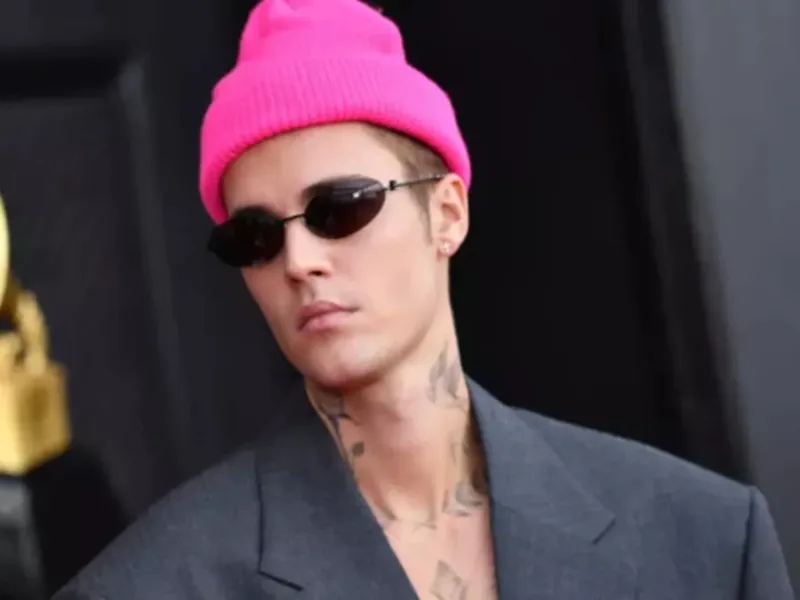
The appearance of Justin Bieber is very notable. A generation of listeners who grew up with his songs are represented by the Canadian pop star, who has weathered his own public battles with mental health, controversies, and a recent comeback to the spotlight. His participation implies that FIFA is trying to appeal to a younger audience, realizing that engaging the TikTok and Instagram generations is essential to football's future. Millions of loyal followers, known as the ARMY, support BTS, a South Korean septet that has grown to be a major cultural force in the world. Their combined voice has the power to influence stories on the internet. Shakira, a World Cup veteran who has performed at numerous competitions and even co-wrote the famous 2010 hymn "Waka Waka (This Time for Africa)," is practically synonymous with football's appeal on a worldwide scale. Madonna, who is currently 66 years old, is still the pinnacle of timeless relevance and a reminder that music, like sports, is timeless. Beyond the excitement of the news, though, comes a more profound question: Can a 20-minute show really bring people together in a world divided by inequality, nationalism, and conflict? The cynic would contend that FIFA's choice is purely commercial, an attempt to increase global viewing and advertising income. However, the gesture has an optimistic quality. One of the few worldwide customs that unites billions of people around a common experience is the World Cup. Millions of strangers will be witnessing the same moment—singing the same songs, moving to the same beat, and enjoying a brief moment of shared joy—for twenty minutes when the stadium lights go down and the music starts. The flags will still flutter, and the national pride will still pulse.
This is more than just a gig for the artists. It serves as a reminder of the unique power of performance—the capacity of a melody, a voice, or a stage presence to transcend boundaries, languages, and ideologies. After being discovered on YouTube, Justin Bieber now has a platform that reaches billions of people. Madonna, who started her career in New York clubs, makes a comeback to the world stage as a living record of pop culture. With her distinctive hip motions and bilingual lyrics, Shakira personifies the blending of cultures that football itself stands for. BTS, who sing in Korean and have overcome all obstacles, demonstrate that a shared heart is all that is needed for connection.
Both the set list and the exact running order have not yet been verified by FIFA. However, the world will be watching, the stadium is ready, and the stage is prepared. This historic halftime performance may serve as a reminder of our commonalities in a year marked by division—not just our love of football, but also our love of stories told via sound and moments that make us feel less alone. Perhaps we will remember more the fleeting, lovely moment when everyone stopped to watch the same dream come true than the score when the last whistle blows, the music stops, and the trophy is raised.