
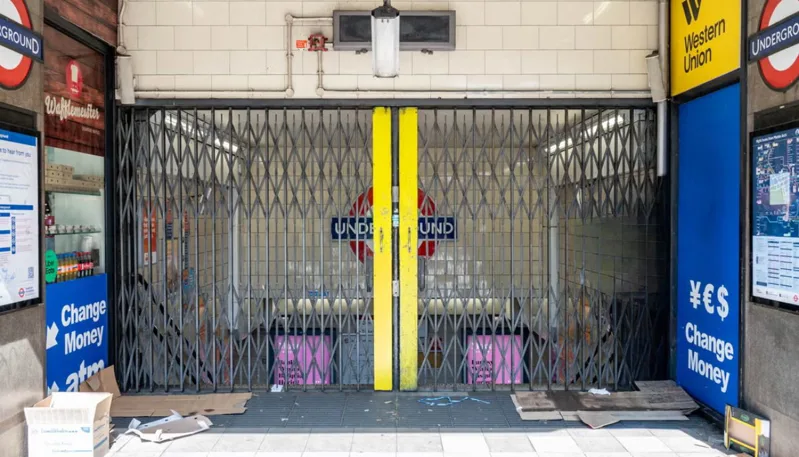
London is facing major travel disruption as London Underground strikes officially go ahead this week, triggering widespread delays, suspended services, and severe overcrowding across alternative transport routes in the capital.
The strikes, organized by the RMT union, follow failed last-minute negotiations with Transport for London (TfL) over proposed changes to driver working patterns, with two full 24-hour walkouts scheduled for Tuesday and Thursday .
Why Are London Tube Drivers Striking?
At the heart of the dispute is TfL’s plan to introduce a voluntary four-day working week for Tube drivers.
Union leaders argue the change could effectively compress workloads into longer shifts, increasing fatigue and raising safety concerns. TfL, however, insists the scheme is optional and designed to improve work-life balance.
Despite talks continuing until the last moment, no agreement was reached, triggering industrial action across the network .
Which Tube Lines Are Affected?
Passengers should expect major disruption across almost the entire Underground system, including:
- ❌ Circle Line (likely no service)
- ❌ Piccadilly Line (expected suspension on key sections, including Heathrow route)
- ❌ Central Line (partial shutdown in central London)
- ❌ Metropolitan Line (major service gaps)
Other lines may still operate, but with:
- Late starts
- Early finishes
- Severe delays throughout the day
What Still Works in London?
While the Tube takes the biggest hit, some transport services will continue:
- Elizabeth Line
- London Overground
- Docklands Light Railway (DLR)
- London bus network
However, all are expected to be heavily overcrowded during peak hours, especially in central London and commuter corridors .
When Should You Travel?
TfL is urging passengers to completely avoid peak hours if travel is essential:
- 🚫 Avoid: 6:30am – 9:00am
- 🚫 Avoid: 4:30pm – 7:00pm
- ✔️ Best travel window: mid-morning or late evening
Delays are expected even outside peak times as services restart after strike days.
TfL vs Union: The Standoff
TfL says the proposed working changes are designed to modernize scheduling without reducing pay or contractual hours.
The RMT union argues the reforms have not been properly assessed for safety impact and could increase long-term strain on drivers.
The dispute has now escalated into one of the most disruptive London transport conflicts of the year.
What This Means for Londoners
The capital is bracing for:
- 🚗 Road congestion surge
- 🚌 Overcrowded bus routes
- 🚉 Severe delays on alternative rail services
- ✈️ Longer airport journeys (especially Heathrow via Piccadilly Line routes)
- 💼 Reduced business activity in central London
Economists warn that each strike day could cost millions in lost productivity and commuter disruption.
How to Navigate London During the Tube Strike
If you must travel:
- Use the Elizabeth Line as your primary alternative
- Leave significantly earlier than usual
- Consider walking or cycling for short distances
- Expect queues at bus stops and interchange stations
- Check live TfL updates before every journey
London is entering a two-day transport shockwave, with Tube services severely disrupted and no immediate resolution in sight. Commuters are being urged to plan ahead—or avoid travel entirely if possible.