
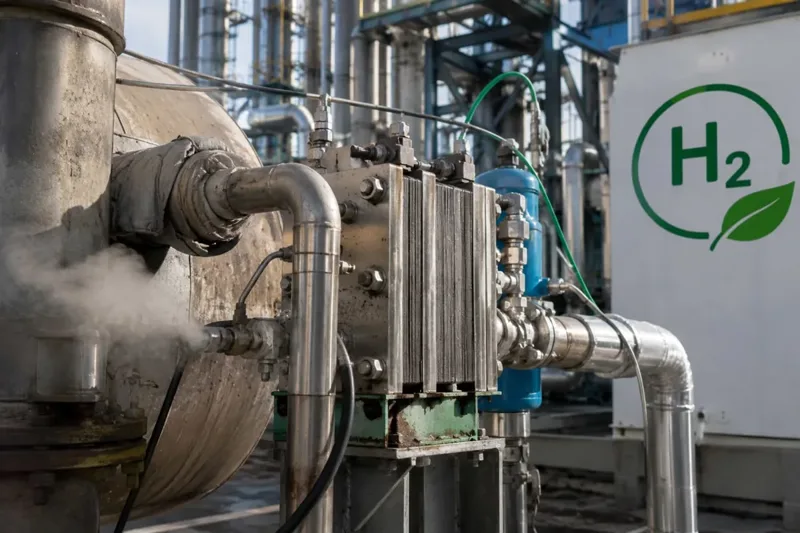
Hydrogen is widely seen as one of the clean fuels of the future, but producing it is still expensive and energy intensive. Now, researchers have developed a new catalyst that could change that by using waste heat (energy that would normally be lost) to produce hydrogen more efficiently.
The catalyst captures unused heat from industrial processes, power plants, and even some vehicles, converting that wasted energy into useful hydrogen fuel. The process could significantly reduce the cost of producing clean hydrogen by using energy that would otherwise go unused.
Scientists say this approach not only improves energy efficiency but also helps cut greenhouse gas emissions by making better use of existing resources. If technology can be scaled up, industries could generate hydrogen while reducing energy waste at the same time.
Hydrogen is considered an important part of the transition to cleaner energy because it can power vehicles, factories, and even electricity grids without producing carbon emissions at the point of use. However, its high production cost has slowed widespread adoption.
Researchers believe the new catalyst could help overcome that challenge, making hydrogen a more affordable and practical option for governments and businesses investing in clean energy.
Even though further testing is needed before the technology is used commercially, experts say the discovery represents another promising step toward a future where clean hydrogen plays a bigger role in the global energy mix.