
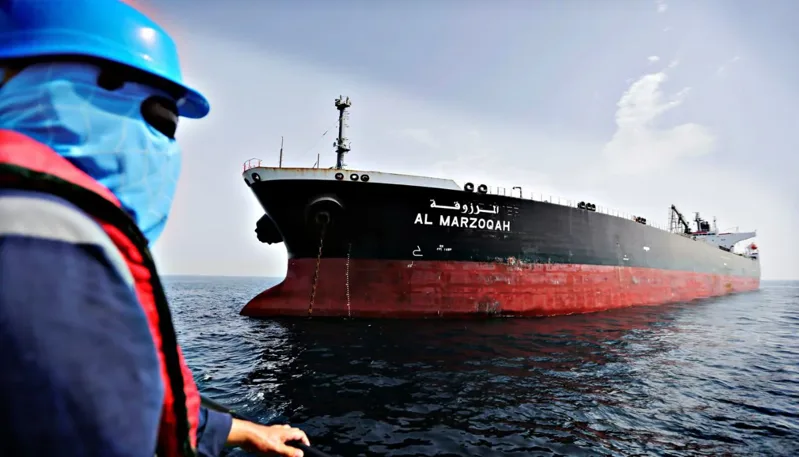
Whenever there is unrest in the Middle East, the global community experiences its impact at the petrol pump. This longstanding reality has once again manifested in 2026, albeit on an unprecedented scale. A military conflict involving Iran has resulted in the closure of one of the most vital shipping routes worldwide, causing oil prices to reach record highs and exerting pressure on economies from Asia to Europe. It is only now, following several months of disruption, that there are tentative indications of relief.
The crisis commenced when the Strait of Hormuz, a narrow waterway through which approximately 20 percent of the world's oil is transported, was effectively closed due to the ongoing conflict. Oil prices surged to more than 60 percent above pre-conflict levels in late April, reaching a peak of $126 per barrel at one point. Nations that rely significantly on Middle Eastern oil, especially in Asia and Europe, encountered critical fuel shortages and escalating inflation.
Middle Eastern oil producers reduced output by more than 11 million barrels per day, resulting in the lowest oil inventories in OECD countries since 2003. Ordinary citizens experienced the impact directly — in the United States alone, the conflict caused the national average petrol price to rise by as much as $1.50 per gallon.
The turning point occurred in mid-June when the United States and Iran announced a temporary agreement to cease hostilities. Oil prices fell to approximately $81 per barrel — still about $20 higher than at the beginning of the year, but significantly lower than the peak in April. Nevertheless, experts warn that recovery will require time, as shipping routes must be cleared of mines and supply chains need to be restored.
The 2026 oil crisis is a clear reminder of how much the world still relies on Middle Eastern energy. While the US-Iran deal has provided temporary relief, analysts caution that the current seeming abundance is due to inventory liquidation instead of a true recovery in production. This means prices could rise again. The crisis has also increased global interest in renewable energy, as governments seek ways to shield their citizens from future shocks like this one.