
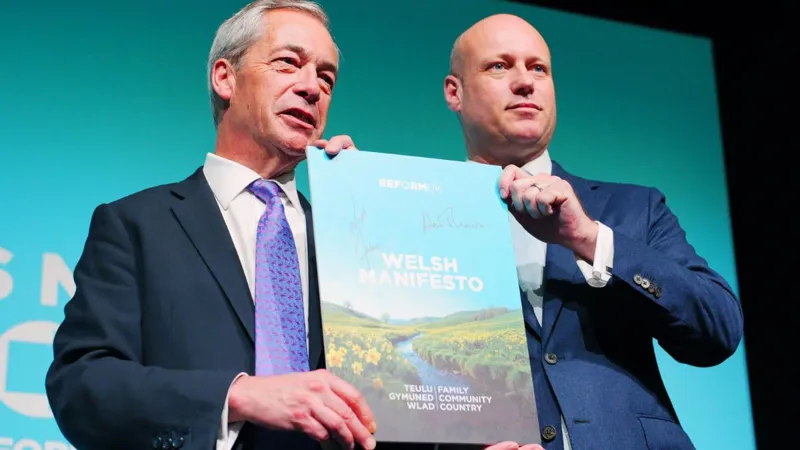
In a sensational turn of events that's shaking up Welsh politics, Reform UK has burst onto the scene in the Senedd with a bang, delivering a performance that's left opponents stunned and the chamber buzzing with controversy.
Just weeks into the new parliamentary term, Nigel Farage's party – now the official opposition with a massive chunk of seats after a strong showing in May's historic elections – is already making headlines for all the wrong reasons, according to critics. From emotional outbursts to dramatic walkouts, the early days have been anything but quiet in Cardiff Bay.
Reform secured over a third of the seats in the expanded Senedd, a platform far bigger than anything the party has enjoyed before. Leader Dan Thomas insists his team is simply challenging the old consensus and speaking up for ordinary Welsh people who feel ignored. But things turned heated fast.
During First Minister's Questions, Reform MS Joe Martins from Caerdydd Penarth sparked gasps and outrage when he drew a sharp distinction between Ukrainian and Sudanese refugees. He claimed only the latter were linked to violent crimes and pressed Plaid Cymru's Rhun ap Iorwerth on preventing "the next inevitable attack."
Labour MS Shav Taj fought back tears as she responded, sharing her own family's immigration story and slamming the remarks as "vile" and shocking, especially in Wales' Nation of Sanctuary. The next day, more comments from Martins about education and jobs triggered a full walkout by some Plaid Cymru, Labour, and Green members.
The presiding officer has already issued a rebuke, and Martins has since kept a lower profile. Yet Reform's chief whip, Llŷr Powell, doubled down, telling the BBC the chamber should simply "get used to it" – calling it the "new norm." Not everything has gone to plan. In one recent vote on ambitious childcare proposals, a third of Reform MSs actually went against their own party's line – leaving many scratching their heads and sparking theories of confusion or accidental votes.
Thomas maintains the party is operating strictly within Senedd rules, focusing on "reasoned, evidence-based arguments" for the people they represent. He sees this as healthy democracy in action. Critics, however, aren't convinced. One Labour MS described the Senedd as feeling like a "circus," accusing some Reform members of chasing clickbait moments rather than serious policy work. With many new faces across all parties, the atmosphere has shifted noticeably.
Reform now chairs key committees, including one on climate and environment – areas where their scepticism of net zero could spark major clashes. Plaid Cymru's minority government faces tough tests ahead, including passing a budget, and Reform shows little sign of playing ball.
Experts warn that while disruptive tactics might grab attention, sustained chaos could hurt the party's broader ambitions. Nigel Farage remains the ultimate decision-maker, and the eyes of the UK are watching how this new force performs in Wales.This is just the beginning of what promises to be a fiery and unpredictable chapter in Welsh devolved politics.
Will Reform settle into constructive opposition, or will the drama continue? Only time will tell – but one thing's certain: Cardiff Bay has never been this lively.