

It is 1:30 a.m., and despite feeling exhausted, a university student continues scrolling through social media, watching videos, or listening to music. The alarm is set for 7:00 a.m., yet sleep can wait. This behavior has become so widespread that psychologists have given it a name: revenge bedtime procrastination the tendency to delay sleep to regain a sense of control over one's free time. Unlike insomnia, where people struggle to fall asleep despite wanting to, revenge bedtime procrastination is often a conscious decision. It reflects a growing conflict between the need for rest and the desire to enjoy a few uninterrupted moments after a demanding day.
Young adults today are navigating academic pressure, competitive job markets, financial uncertainty, internships, and the expectation to remain constantly connected. By the time these responsibilities end, many feel they have spent the entire day fulfilling obligations to others. Late at night becomes the only period that truly belongs to them. Instead of sleeping, they choose activities that offer comfort and escape. Some scroll endlessly through social media, others binge watch television series, play online games, read, or chat with friends. Although these activities provide temporary relaxation, they often come at the expense of essential rest.
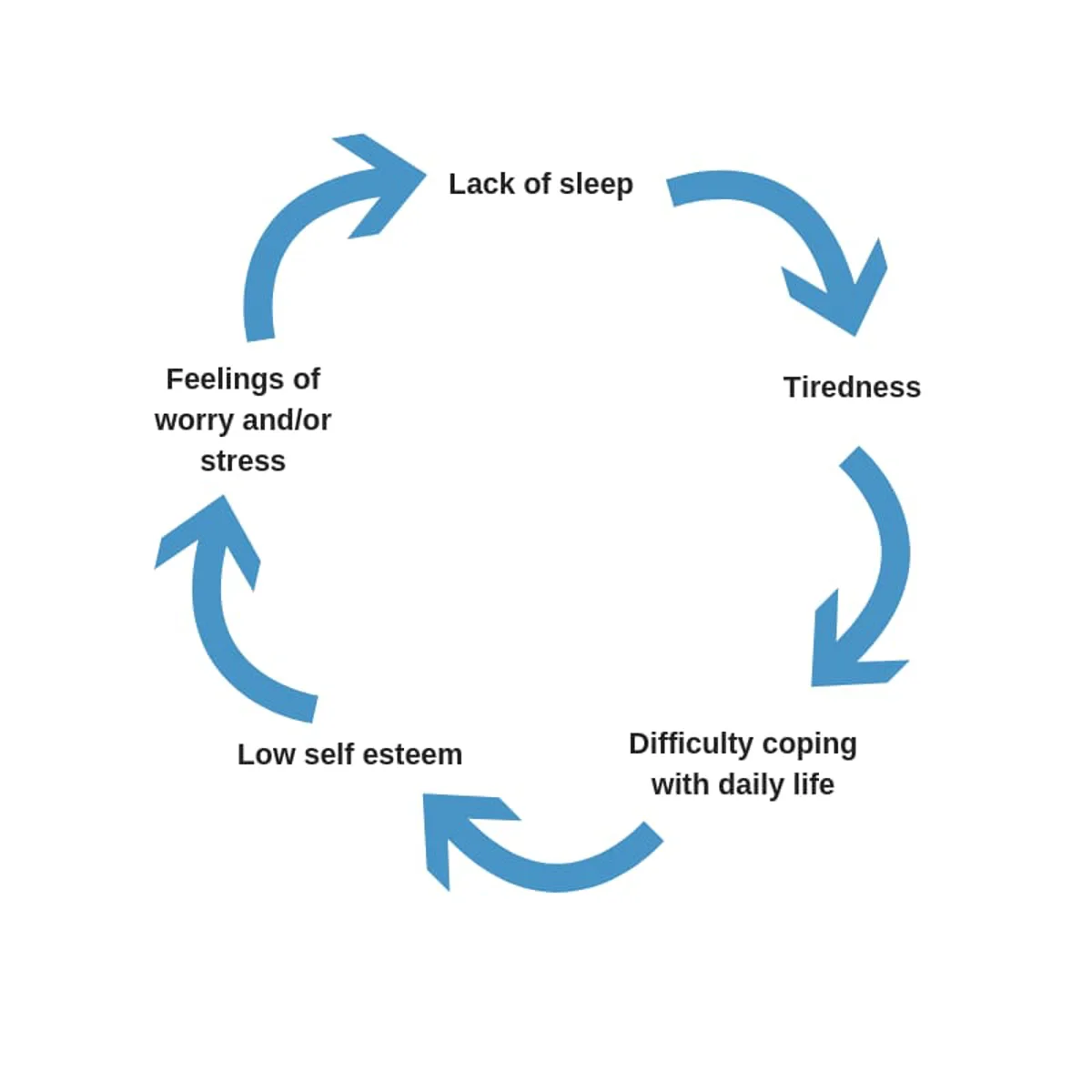
Psychologists explain that this behavior is driven by a psychological need for autonomy. When people feel their daily schedules are controlled by deadlines and expectations, delaying bedtime becomes an unconscious way of reclaiming personal freedom. The decision may provide short-term satisfaction, but it creates a cycle in which individuals wake up tired, struggle to concentrate throughout the day, and once again seek comfort late at night.
The consequences extend beyond fatigue. Sleep specialists warn that chronic sleep deprivation can impair memory, weaken the immune system, reduce productivity, and increase the risk of anxiety, depression, obesity, and cardiovascular disease. In students, poor sleep is associated with lower academic performance, while young professionals may experience reduced efficiency and higher stress levels.
Revenge bedtime procrastination reflects a deeper issue than staying up too late. It reveals the growing pressure young adults face as they attempt to balance ambition, responsibilities, and personal well-being. As modern life becomes increasingly fast-paced and digitally connected, reclaiming time should not come at the expense of sleep. Finding healthier ways to unwind may be one of the most important challenges for a generation that is constantly busy but rarely well-rested.