
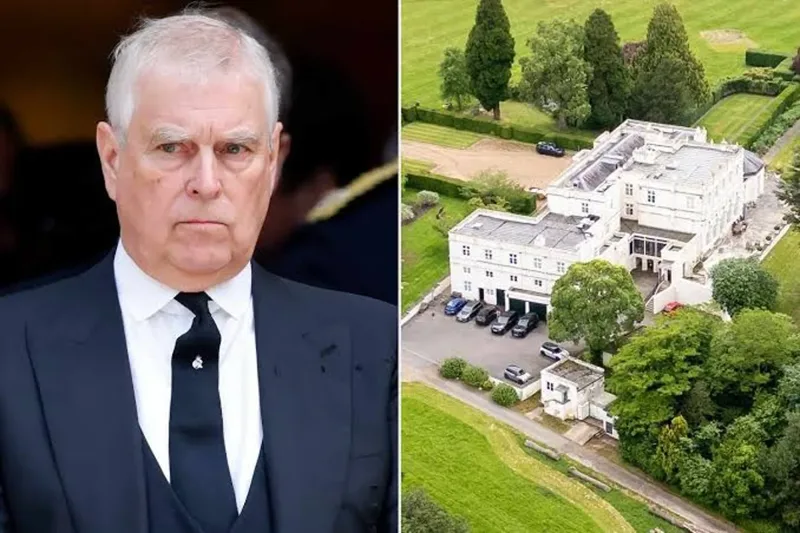
Andrew Mountbatten-Windsor moved out of Royal Lodge in February, ending a tenancy that began in 2003. The formal surrender of the lease takes effect October 30, 2026 — just weeks from now — and when it does, he’s very unlikely to see a penny of the compensation the arrangement would normally have entitled him to. The reason why, and what happens to the 30-room mansion after he’s gone, is a more interesting story than the exit itself.
The peppercorn rent arrangement
Andrew held Royal Lodge on a 75-year lease agreed in 2003, structured around a large upfront payment rather than ongoing market rent — a “peppercorn rent” deal that the Crown Estate’s own chief executive has since had to defend to MPs as having delivered “best value” at the time it was signed. What’s drawn scrutiny more recently is what Andrew did with part of the property: he sublet three cottages on the grounds to tenants, generating private rental income for himself, while continuing to pay only the nominal peppercorn rent on the head lease. A UK public spending watchdog flagged the arrangement, and it’s now part of a wider parliamentary examination of how Crown Estate property deals with royal family members actually work.
Why the compensation isn't coming
Lease surrender terms of this kind typically carry a compensation figure — in this case, reported at £301,967 — owed to the outgoing tenant to reflect improvements made to the property over the tenancy. But Royal Lodge is in poor structural condition after two decades, and a report prepared for the Public Accounts Committee concluded that repair costs are expected to exceed that figure entirely. In practice, that means the compensation Andrew might otherwise have collected will likely be absorbed by the cost of fixing the building he’s leaving behind, rather than paid out to him.
The parliamentary inquiry behind all of this
The scrutiny isn’t limited to Andrew’s case specifically. In October 2025, the chair of the Public Accounts Committee wrote to the Crown Estate and HM Treasury requesting information on the Royal Lodge lease, and the PAC has since opened a broader inquiry into how the Crown Estate manages property leases involving the royal family — a process that began hearing evidence in mid-2026 and extends well beyond this one house.
What happens to Royal Lodge now
With the tenancy formally ending in October, the Crown Estate hasn’t settled on what comes next. Two options have been floated: opening parts of the property to the public, potentially as a venue for events or as a museum, or holding it for a future generation of senior royals — most plausibly Prince George, Princess Charlotte or Prince Louis once they’re old enough to need a residence of their own. Neither option has been confirmed, and any renovation of a building in this condition would take considerable time regardless of which path is chosen.
What’s actually happening at Royal Lodge, in other words, isn’t just a story about one man moving out. It’s a live test case for how the Crown Estate handles royal property arrangements under real parliamentary scrutiny for the first time in years — and the answer to “what happens to the house” is still genuinely open.