
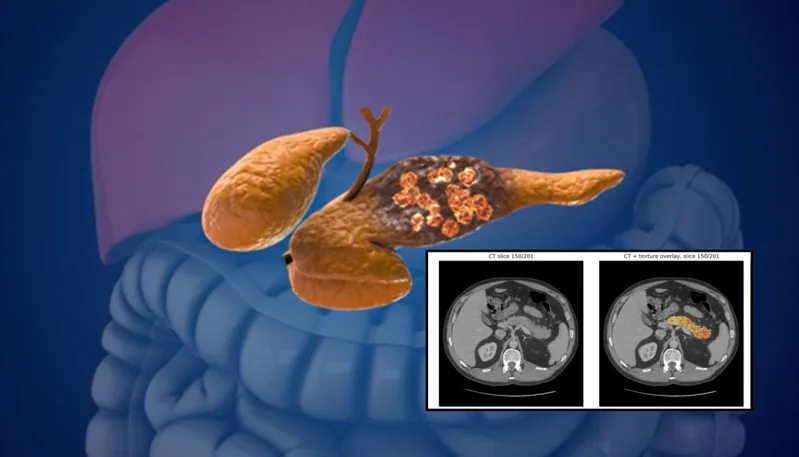
Daraxonrasib, marketed as Rasonque, received US Food and Drug Administration approval on August 26, 2026 for adults with metastatic pancreatic adenocarcinoma who have received at least one systemic therapy or are not candidates for multiagent systemic therapy.
The FDA announcement updates the experimental status described when this article was first published in May.
What the trial compared
The phase 3 RASolute 302 study compared daraxonrasib with standard chemotherapy in previously treated metastatic pancreatic cancer. It did not establish the headline survival result by adding daraxonrasib to chemotherapy, as our earlier version incorrectly stated.
Dana-Farber’s report of the trial gives median overall survival of 13.2 months with daraxonrasib, compared with 6.7 months with chemotherapy. Median progression-free survival was 7.2 versus 3.6 months.
These are results for groups of trial participants. A median is not an arithmetic average or a prediction of how long a particular patient will live. The study population also matters: these findings concern previously treated metastatic disease, rather than every stage or type of pancreatic cancer.
Benefits, risks and treatment decisions
The once-daily tablet targets forms of the RAS protein involved in tumour growth. The FDA lists common adverse effects including rash, diarrhoea, mouth inflammation, nausea, fatigue and vomiting, among others. Approval does not mean treatment is risk-free.
Whether the drug is appropriate for an individual depends on the diagnosis, prior treatment and the treating oncology team’s assessment. A survival improvement in a trial should not be described as a cure.
Corrected and updated September 25, 2026: We corrected the trial comparison from combination treatment to daraxonrasib versus chemotherapy, replaced “average” with “median,” and added the FDA’s August approval and its specified patient population.