
.webp)
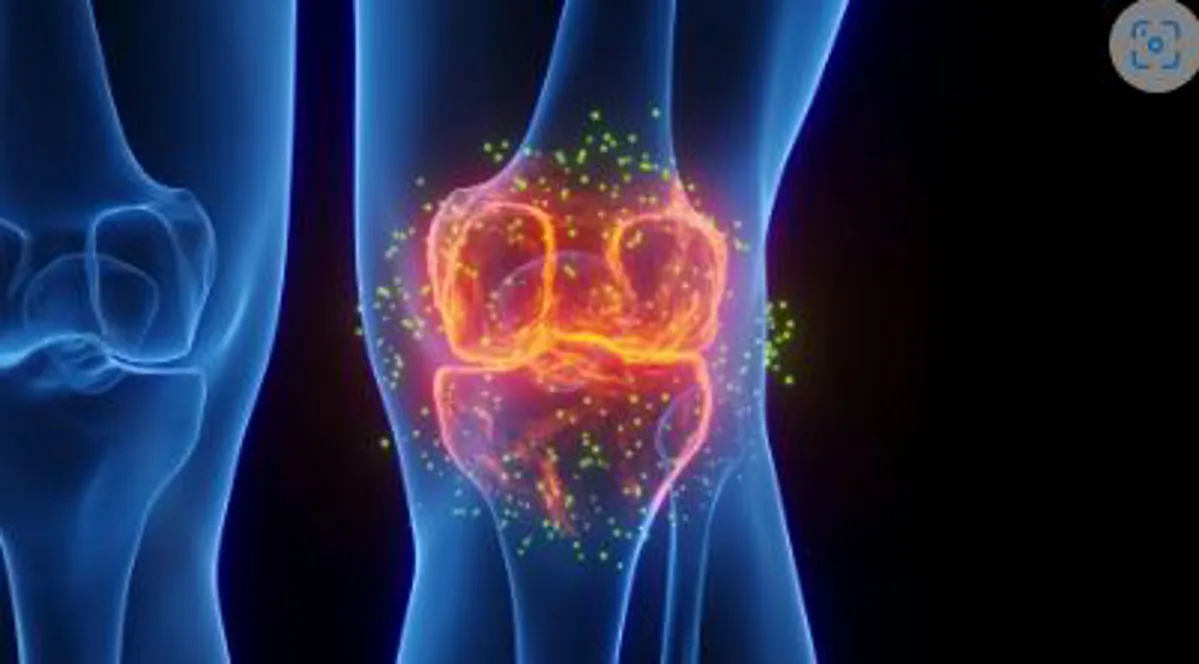
Scientists are always looking for better way to treat these diseases. One common disease is osteoarthritis which affects the millions of people around the world. It happens when the cartilage which is in the joints becomes damaged or useless.
Cartilage is basically the soft and smooth tissue that covers the ends of our bones. It helps joints to move easily without a pain or friction pain. When cartilage the wears away because of the aging or the injury, the people feel pain, swelling, and a stiffness. At the moment there is no medicine that can repair the damaged cartilage.
Doctors can only reduce the pain of a patient or replace the damaged joint with a surgery. Now the scientists at Stanford Medicine have made a new discovery that may change this in future.
The New Discovery
The scientists found that protein called 15-PGDH becomes higher when people grow older. They believe that this protein stops the cartilage from repairing itself. To solve this problem they made a medicine that basically blocks this protein to become higher in body. Their goal was to see that due to this medicine if the damaged cartilage could grow again or not.
How the Research Was Done
First basically the scientists test the new treatment on a old mice with a damaged knee cartilage. Some of mice received the medicine through the injections, while the others received it directly into their knee joints. The researchers carefully watch the change after the treatment.
The team was also wanted to know that if treatment could stop the arthritis after a serious knee injury. They used mice with injuries similar to ACL tear like which is basically a common sports injury. Finally they now tested the treatment on human cartilage that is taken taken from a patient during knee replacement surgery.
What the Scientists Found
The results are very exciting. The the old mice grew new and a healthy cartilage after receiving the treatment. Their cartilage became thicker and a stronger than the before. The new cartilage was basically the same a healthy type that helps the joints move smoothly. The injured mice are also less likely to develop the arthritis. They walked better than before and used their injured legs more normally than before. This shows that the treatment not only repaired cartilage but also protected the joint from future damage. The human cartilage gives positive results. After one week of a treatment it starts producing new healthy cartilage and shows minor signs of damage. This gives hope to the scientist that the treatment may also work in people.
Another important discovery is that the cartilage repaired itself without using the stem cells. Instead the old cartilage cells changed into healthy and active cells again. This was surprising finding and give a scientists new understanding that how a cartilage can heal in humans.
What This Means for the Future
This treatment is still being studied today and more of clinical trials are need before the doctors can use it on a patients. However if future studies are successful then people with arthritis may be treated with injection or medicine instead of a major surgery. This could reduce the pain, improve the movement, and help many peoples avoid knee or a hip replacement surgery.
The Stanford Medicine study is basically an important step in a arthritis research.
.webp)
It shows that the damaged cartilage may be repaired by blocking 15-PGDH protein. Although more of the research is need that the early results are so good.
This discovery gives new a hope to millions of people who suffer from joint pain and a arthritis. In the future it may be lead to safer, easier, and more effective treatments that can improve life of many patients.