
A digital bank is a financial institution that operates completely digitally. It provides all the services that a traditional bank provides like creating an account, money transfer, bill payments, loan credits or managing budgets from anywhere in the world, but without any traditional branch setup. Digital banking is a virtual process that involves online banking, mobile banking and more, and it covers a vast variety of models: some digital banks do have physical branches, some offer purely retail services, some are EMIs (Electronic Money Institutions), and some are simply commercial banking apps.
Though Pakistan is heavily reliant on a cash-based economy, Covid-19 prompted a shift, attracting Pakistani people towards digital banking through mobile apps. To keep the banking system operating smoothly during the pandemic, financial institutions took several emergency measures to mobilize digital services following the lockdown. The central bank introduced the Raast instant payment system, which allows people to send money in real time using just a mobile number.
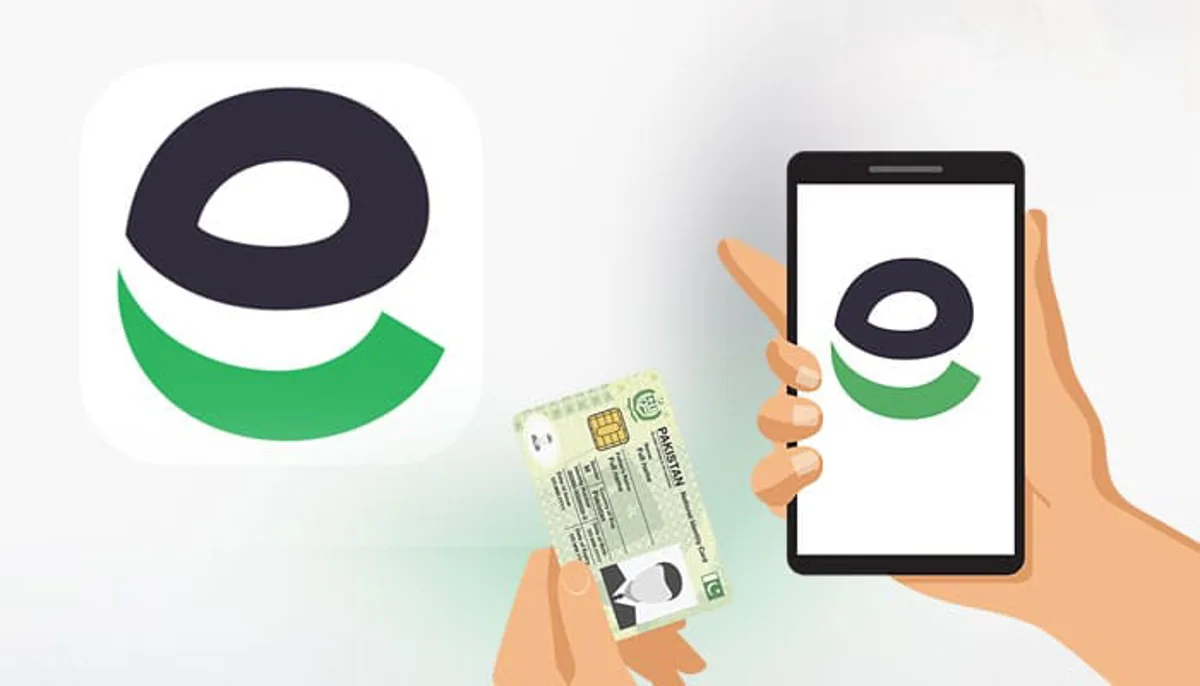
It also created rules for fully digital banks, leading to the launch of Pakistan's first licensed digital retail bank, Easypaisa Bank.
To encourage greater use, the State Bank temporarily relaxed biometric requirements and removed fees on inter-bank transfers during the pandemic. Basic transfers remain subsidised today, especially for lower-income users. At the same time, it strengthened customer protection by introducing stricter fraud prevention rules, free transaction alerts, and a mandatory two-hour waiting period before certain wallet funds can be withdrawn.
Access to banking was also widened through the USSD-based Asaan Mobile Account for people without smartphones or bank branches, and Roshan Digital Accounts for Pakistanis living overseas.
These efforts have successfully transformed the sector, with digital transactions now accounting for more than 84% of all retail payments in the country.
No doubt digital banking has been growing over the years in Pakistan, and most people, especially the youngsters, prefer digital transactions, with apps like JazzCash, NayaPay, SadaPay and Easypaisa becoming everyday names. But many people still don't trust it enough to adopt it fully in daily transactions. Although regulatory backing by SBP is very strong, making biometric verification mandatory, requiring user verification before account activation, and enforcing debit card blocks or service suspension for non-compliance yet fraud fears, lack of digital financial literacy, and privacy concerns remain hurdles in the full adoption of digital banking.

Many people wonder what these banks get from providing services, and how they earn profit. Digital banks generate revenue through several main sources: transaction fees, digital lending, the interest they earn on customer deposits (known as net interest margin), and premium corporate services. The biggest advantage for these banks is their ability to reach millions of previously unbanked people, make money from valuable customer data, and run highly efficient operations at much lower costs compared to traditional banks.
Pakistan's digital revolution is real, but it's messy, uneven, and still battling the trust factor. Adoption will remain partial until digital payments feel safer than cash. Building infrastructure is not enough, building trust is necessary!