
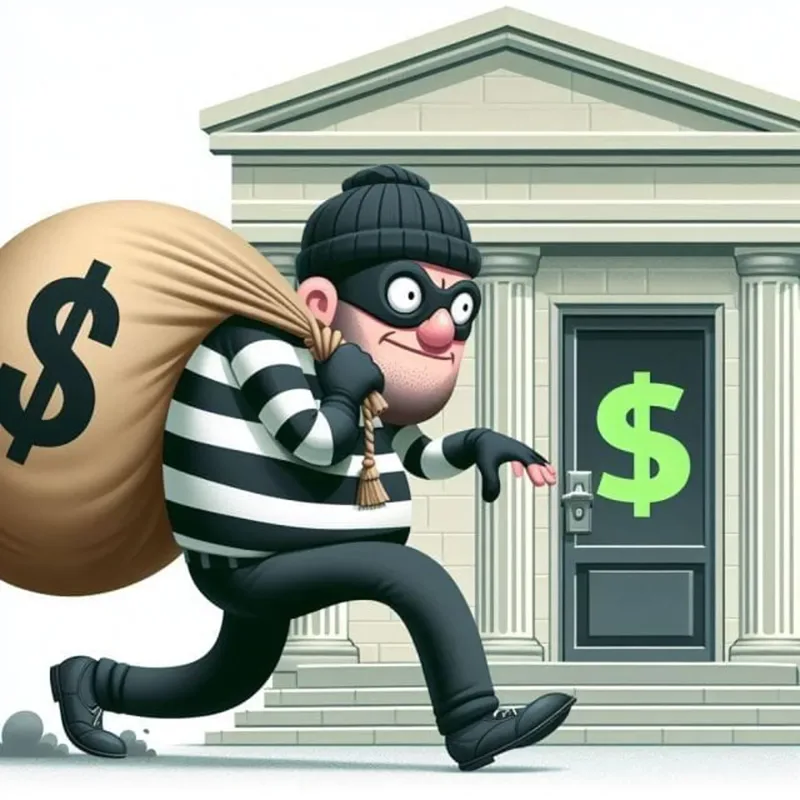
Imagine someone quietly taking 10 Rs out of your 100 Rs from your wallet, every single month. No stealing, no crime, no illegal activity. That’s what inflation does!
In May 2026, Pakistan’s inflation has climbed to 11.7% as compared to March’s 7.3%, which means things that you could buy with 100 Rs in March will cost you 111.70 Rs in May.
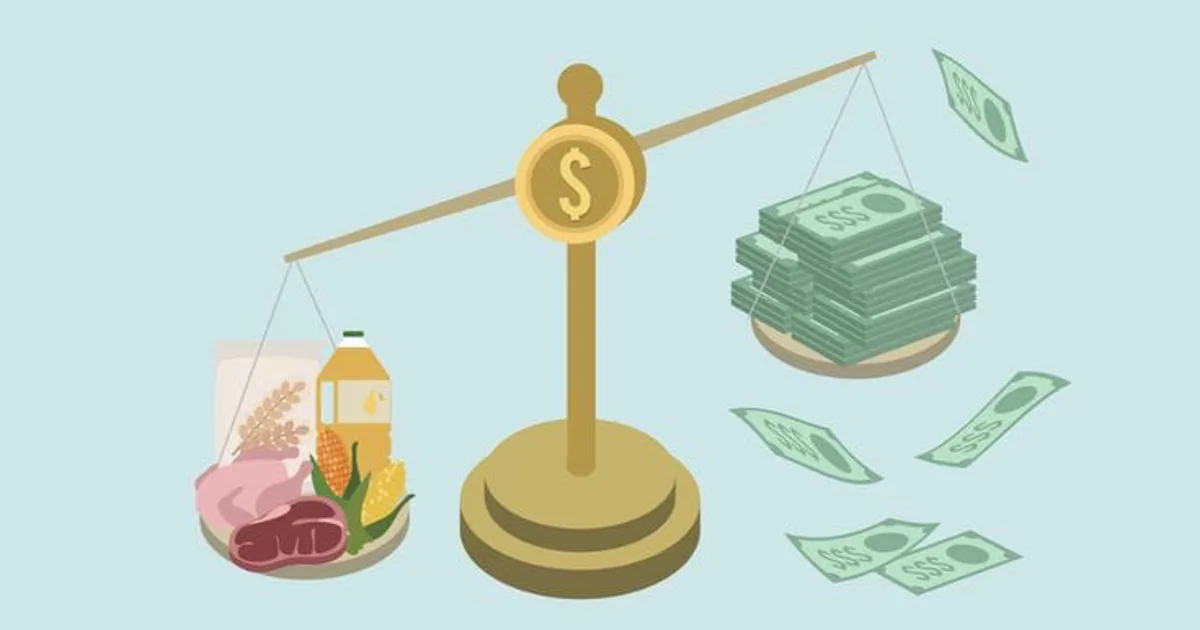
State Bank of Pakistan’s targeted inflation rate was 5-7%. We are well above it. Inflation is not just a number on TV; it’s the thief robbing you.
But what actually is inflation? It’s not just “prices going up”. It is far more layered than this definition. In reality, inflation is the rate at which prices of goods and services rise, reducing citizens' purchasing power.
For example, bread cost you Rs 20 last year. Now it costs Rs 25, but your salary has been the same since last year. So now you would be able to buy less bread within the same salary. That’s the real cost.
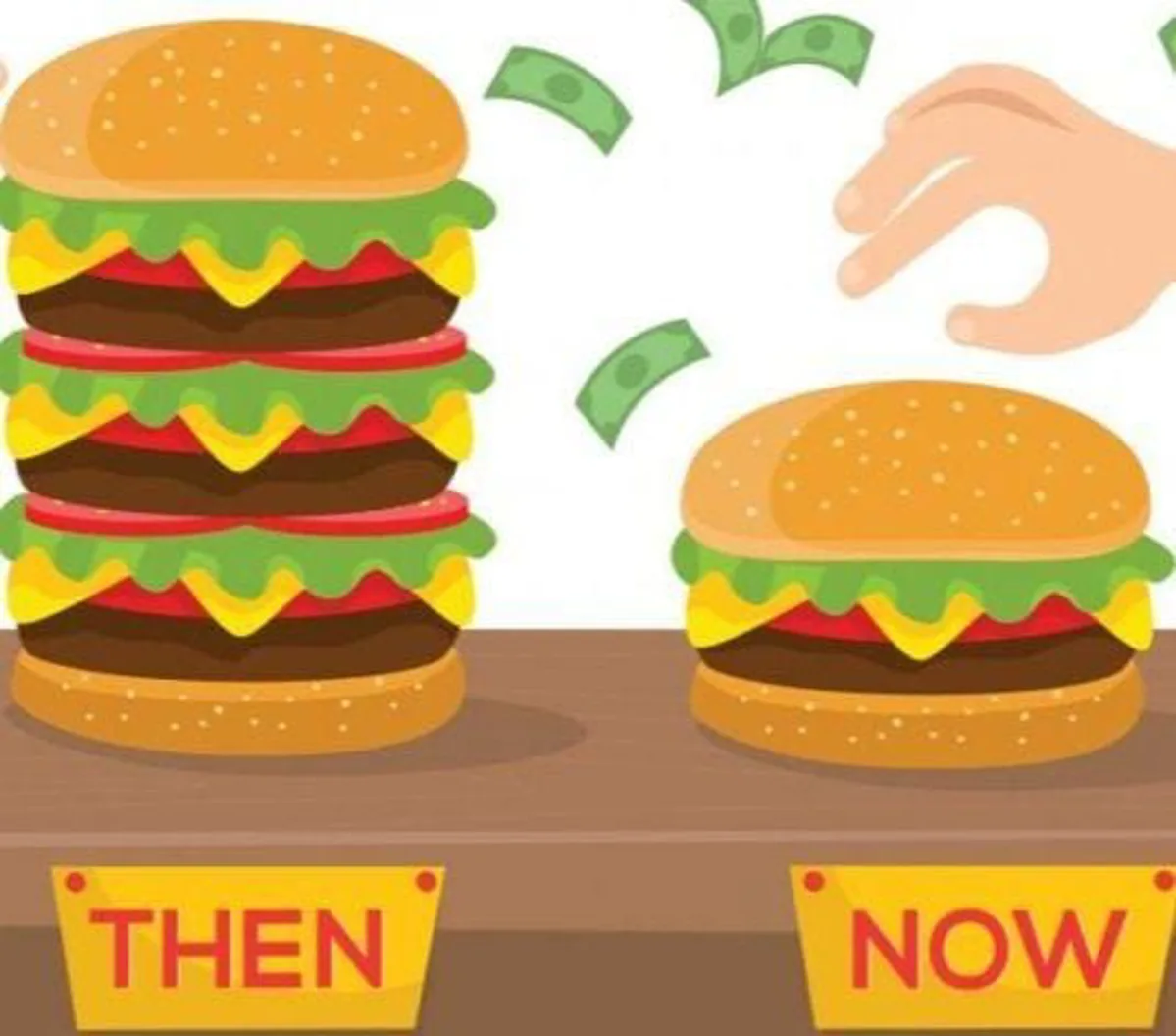
Double digit inflation is a serious concern. Almost 2 years ago, Pakistan’s double digit inflation returned. You keep a bank account with almost 7% interest rate thinking it might benefit you at the end of the year, but double digit inflation (e.g., 11.7%) causes you average loss of 4-5% each year.
You have quietly been paying the tax you never voted on. How?
The government needs money to construct roads, build schools, give salaries, pensions, subsidies etc. So it collects taxes from you - the small amount that every responsible citizen should pay. But the amount collected is not enough for the government expenses. So to fulfill its need for money, it takes loan from State Bank of Pakistan. To give loan, the bank prints more currency notes. Money supply in the market is increased but products supply remains the same. Result? Prices rise and rupee weakens! Government’s loan becomes easy due to inflation, as weakened currency decreases the real value of the loan, and the common man pays this hidden tax to pay off government loan. Over the decades, deficit financing and printing of currency notes has created this structural problem in Pakistan.
But why does Pakistan have high inflation? The problem here is cost push inflation, that means supply side problem. The biggest culprit is energy cost. Increase in prices of petrol, gas and electricity increases prices of everything. Production costs more and so does the purchasing to a common man. Transportation and food cost also play their role and government policies are also not to be ignored.
Government can break this curse by:
- Diversifying energy use through solar, wind, and other energy sources.
- Giving subsidies only to lower class deserving people.
- Increasing tax base (collecting small amount from everyone, not just burdening a specific group with large amount).
- Decreasing petroleum levy
- And solving supply side problems.
Today’s Rs 100 won’t be equal to tomorrow’s Rs 100. The question isn’t if the inflation will affect you or not. It’s whether you are noticing what’s really going on around you? Because the robber can only rob you until you are asleep!