
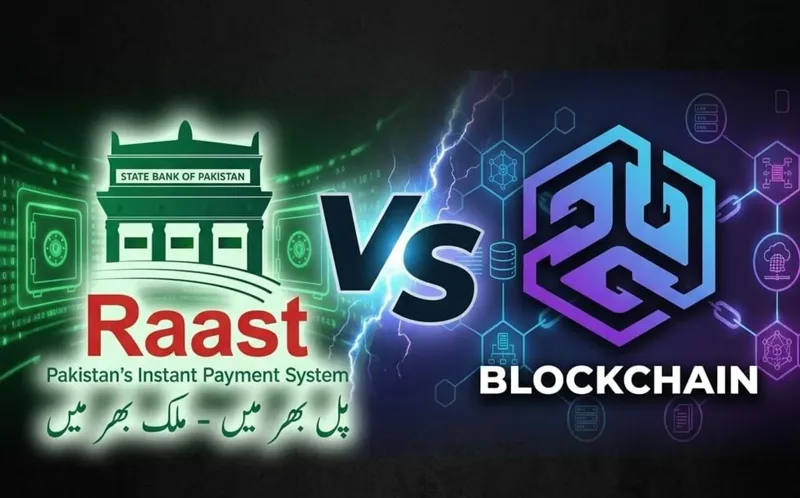
RAAST is national instant payment system of Pakistan made by State Bank of Pakistan. All banks in Pakistan are connected to this system and payment can be transferred from one bank to any other bank.
Take it as a single road that has every outlet on it. Coffee shop, restaurant, shopping mall, tuck shop, pharmacy (but in reality these outlets are banks of Pakistan, every kind) and you have to transfer money to all of them. This road is the RAAST payment system that would help you transfer money to any of them instantly with convenience. No need of paper work, long queues, waiting a day or two for transaction to be completed. Just two clicks and you have covered that road without any discomfort!
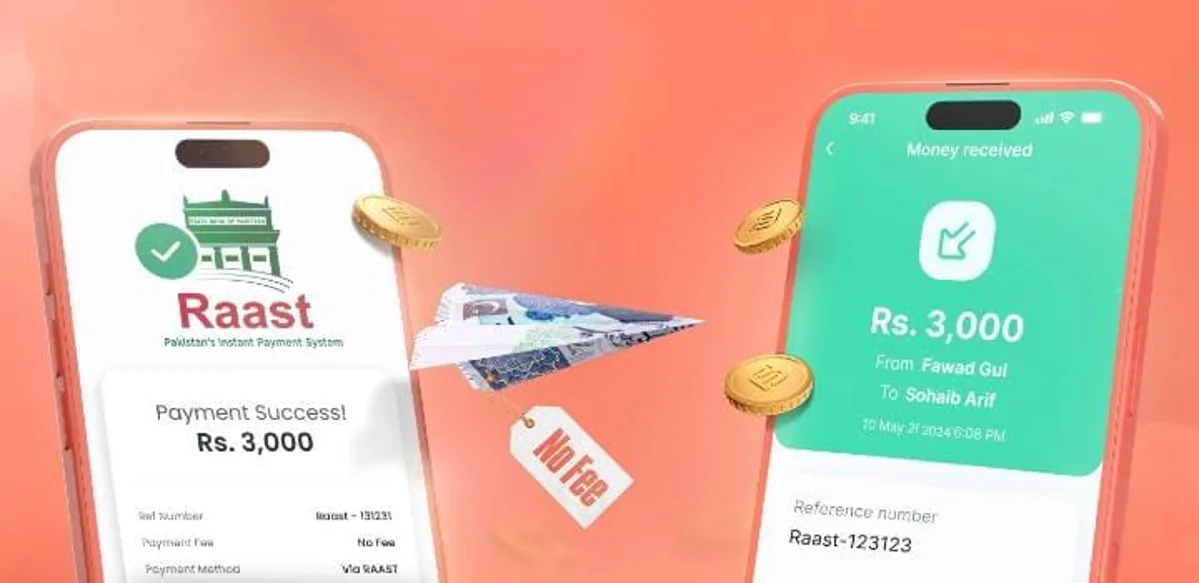
Many people might think, can this system be secure if it's connected to all banks around Pakistan? Yes RAAST payment is the most secure payment system in Pakistan. Why? Because it takes your PIN, fingerprint and OTP for the transaction. These three can only be yours. No one can steal them because it is controlled by SBP. But you should be careful about your PIN and OTP. These are yours to protect! Telling them to someone or clicking on phishing links can harm you. RAAST payment has fraud detection system. Suspicious transactions are detected instantly. It offers data protection and robust security system.
As blockchain grows in popularity, many people would think blockchain is more reliable and better, mostly because money is deducted from sender's account but not received in receiver's account in RAAST. Whereas blockchain has atomic transaction (either the whole transaction occurs or none at all). But that's not true!
Money deducted but not transferred happens sometimes. The chances are very low! This happened before but rarely. Imagine driving out but never reaching your destination, like in a traffic jam. But that payment isn't lost! The money is temporarily deducted and if it didn't reach the receiver, sender will receive the money back. This happens just because of technical glitches, network issues or problematic receiver accounts.
Blockchain's atomic transaction works the same way, either the full transaction happens, or none of it does. Take it as a magic box: you and your friend want to swap phones, so you both place them inside. Either the swap happens for both of you, or neither of you loses anything. There's no way your friend walks off with your phone while you get nothing back. THE REALITY IS DIFFERENT.
Blockchain can also have delayed payments (network congestion, high fees, confirmation wait). There have also been major platform collapses, like FTX, where billions were lost, not due to a flaw in blockchain itself, but because of fraud and mismanagement at the exchange level. And it is decentralized, if scam happens, no chance of recovery.
Let's have a quick look on what differentiates RAAST and blockchain from each other!
- Blockchain is a decentralized ledger (that means no single authority controls it) whereas RAAST is controlled by SBP.
- RAAST payment is instant (real time transaction) but blockchain is sometimes fast and sometimes slow.
- If a problem occurs during transaction, money can be recovered in RAAST but there's permanent loss sometimes in blockchain.
- RAAST can be used on daily basis (shopping, bill payment, salary) and blockchain is used mostly for crypto trading.
- RAAST can be trusted as government backs it but in blockchain only the code is to be trusted and codes can also betray sometimes because they are written by humans anyway.
In truth, RAAST is trustworthy and safe for daily life use/ for a common man. Blockchain is a great technology but not very effective and practical for everyday use. Blockchain protects the transaction. Raast protects the person.
So the real question isn't which system is smarter, it's which one you'd trust with your last rupee at 2 a.m.