
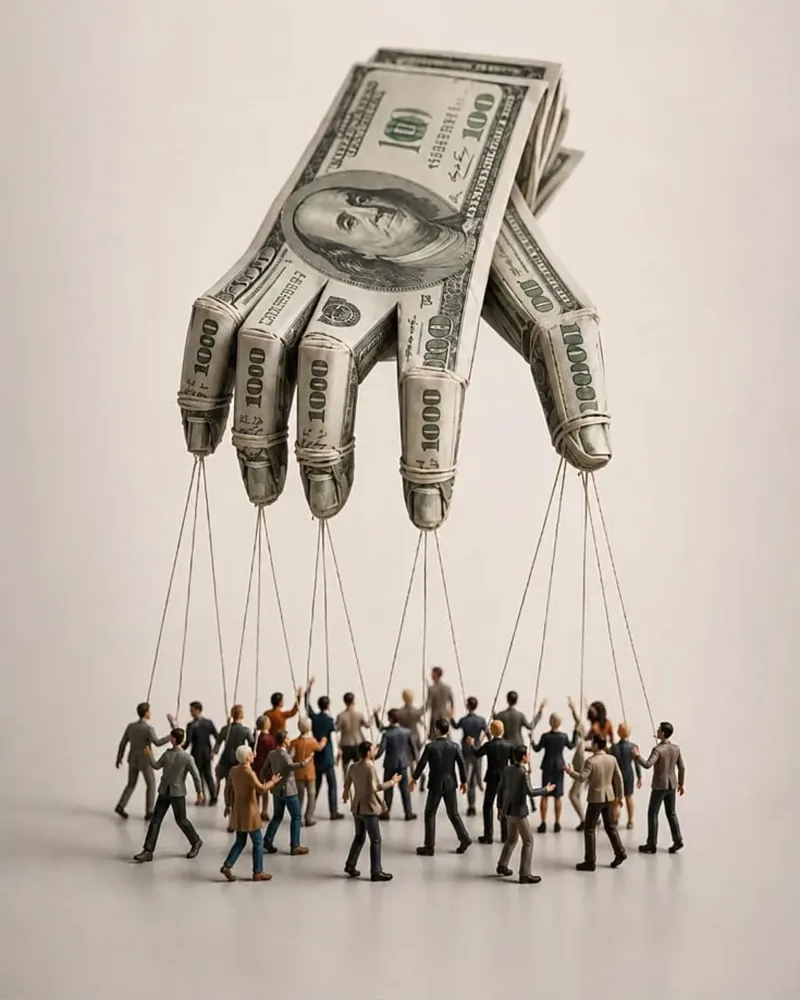
Currency depreciation is when value of currency is downed by market whereas currency devaluation is done by the government. But how does the government do this?
Imagine a country where 1 coin = 1 dollar. But now the government announces 1 coin = 0.5 dollar (value of coin has been decreased), so this is a devaluation of the currency.
When Pakistani Rupee falls from 280 to 282 against a dollar, for most people it’s just a number on screen. But this small change carries a chain reaction with it. From bread for breakfast in a common man’s house to Pakistan’s foreign loan, everything is affected. Currency devaluation is not just an economic term; it is a force that divides people into winners and losers. The question is: “Which one are you?”
Who do you think wins?
The foreign buyers? Or the exporters? Maybe both?
A weaker rupee makes Pakistani goods cheaper for foreign buyers, causing them to buy more. Exporters get more money in local currency because of their increased exports. A small amount of this “extra money” earned from increased sales is paid to laborers; the rest is the profit for owners.

Winners are also the ones who keep foreign assets like dollars, euros or other foreign currencies. Devaluation increases the value of these assets in Pakistani Rupees overnight.
Domestic producers also win here. Imported products become expensive, so people start to buy local products. Production in local factories increases, and hence so does the employment rate.
But who really loses in devaluation?
Importers and consumers!
Foreign debt holders!
Most importantly, THE POOR!
Devaluation of the Rupee makes oil, machinery and raw materials expensive, which causes direct inflation. Pakistan’s manufacturing industry mainly depends on imported raw material, so devaluation directly affects importers and consumers.
The loan borrowed in dollars costs more in local currency, which is the main reason for the debt crisis in developing countries.
With 50% of Pakistan’s population already living below the poverty line, devaluation releases “a storm of inflation” that hits the poorest hardest.
Devaluation becomes a cruel cycle. Inflation rises and eats up all benefits, foreign debt gets heavier to pay back, and the stability we see is often artificial, not real.
The pro-devaluation camp says it helps exports, while the anti-devaluation camp says 92% of the economy gets hurt.
But in reality, it’s a double-edged sword that plays with people’s lives!