
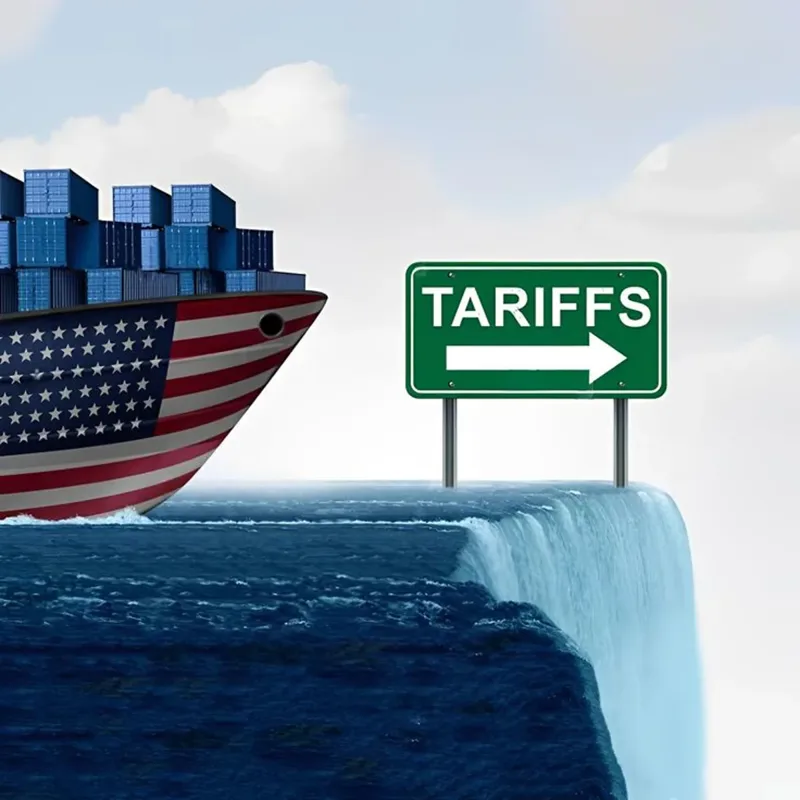
Everyone assumes tariffs protect local industries. Almost no one asks what they do to the currency.
Tariff is simply the tax on imported products. But is it really that simple?
The government imposes tax on products that come from outside of the country. Government does so to make products expensive for people, forcing them to buy local products (products made inside of country).
There are actually 2 types of tariffs, Ad Valorem (as much expensive the product as much the tax) and Specific Tariff (fixed amount as tax on all products of the same industry).
But wait! How does tariff effect currency? Tariff WEAKENS the currency.
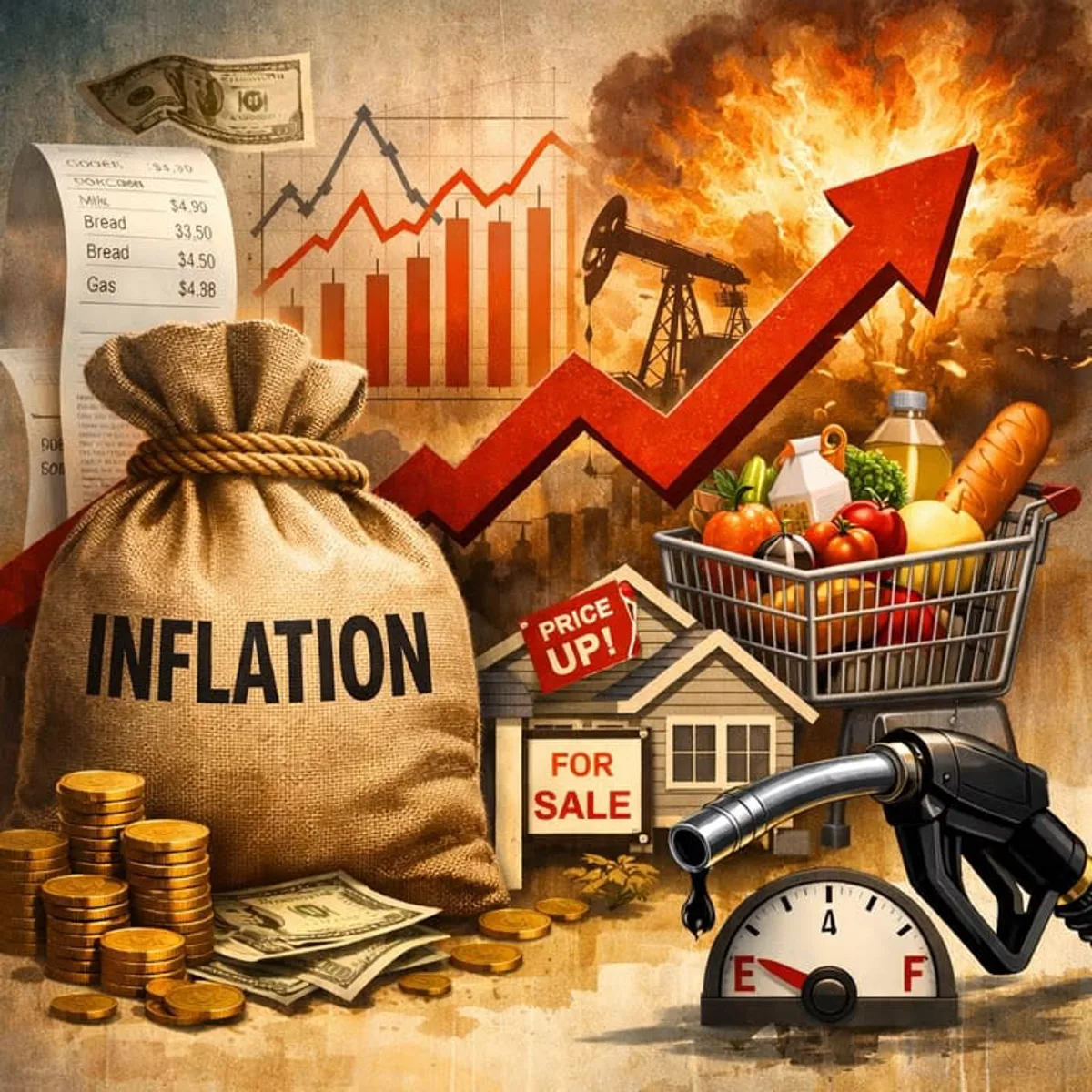
Take an example of an imported shampoo. Initially it was priced at 10$ (almost 2800 PKR). The government imposed 10% tariff on it and now its price became 11$ (almost 3100 PKR). So now more people would prefer to buy the local shampoo. Local shampoo would be promoted, industrialists would be happy and hypothetically this should be the economic boom.
Plot twist: IT IS NOT.
Because our industries use machinery, oil and raw products imported from USA, China and other countries. So now where industrialists were importing raw material for 1000 shampoo bottles, now they will have to import for 5000 bottles, needing more dollars for the purchase. Dollar’s demand increases while supply remains the same so its price increases (more PKR in return for 1 dollar). Industrialists import from foreign countries anyway to meet people’s demand but now production costs them more.
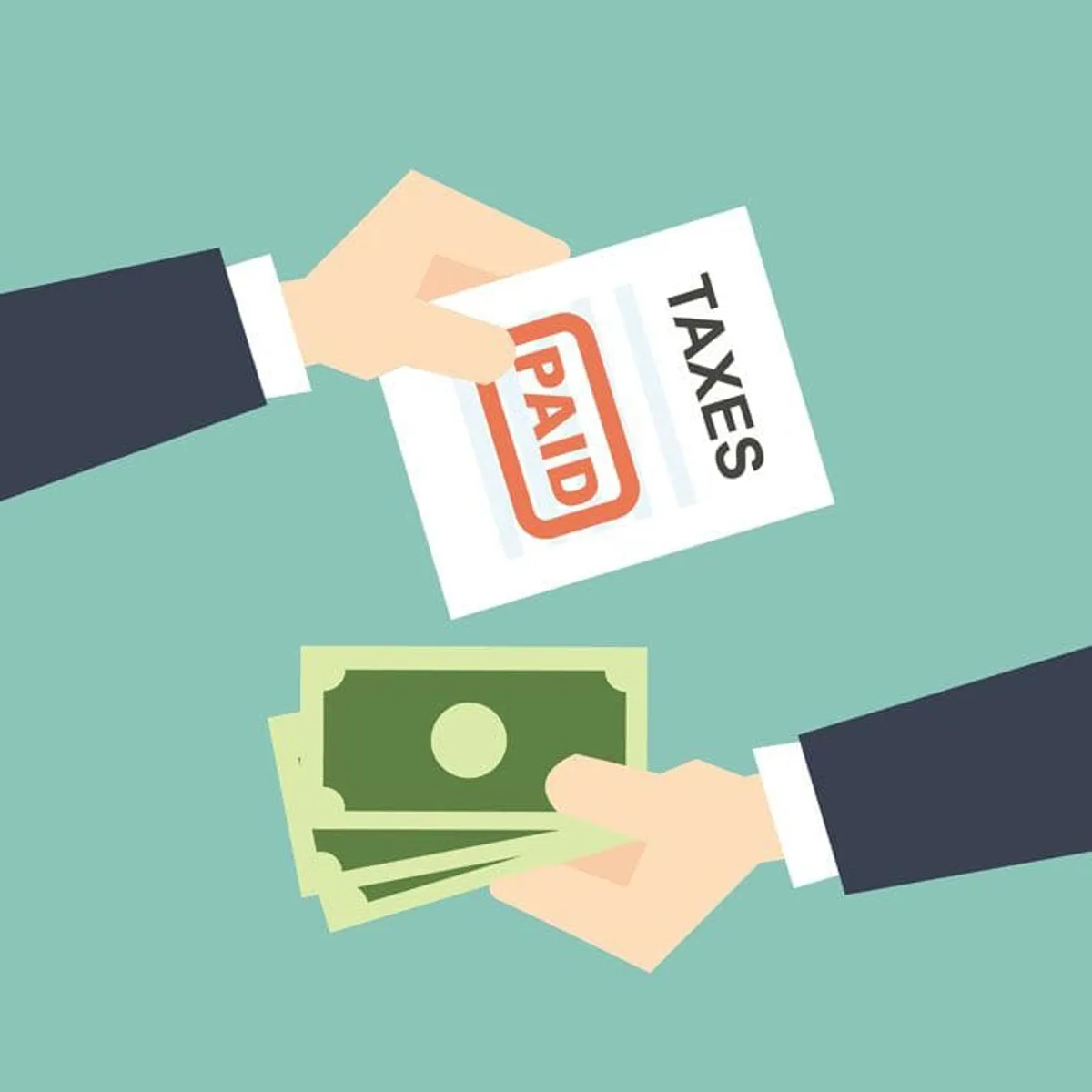
To fulfill their cost used and then to make profit, they increase prices of local shampoo as well. The Rupees that could buy 2 bottles before can now buy only 1, the value of rupee has decreased. Now when the rupee is weakened, imported products become more expensive. And exports also decrease. Why? Because products that costs the manufacturers more cannot be sold outside country on loss, so their prices are high as compared to India and China (Pakistan’s competitors). So foreign countries prefer to buy from India and China on low price rather than Pakistan. This is a vicious cycle that never ends.
In the end, it's the common man who pays the highest price. That same shampoo bottle, once priced at 2800 PKR, now costs well over 3100 and it's not just one product.
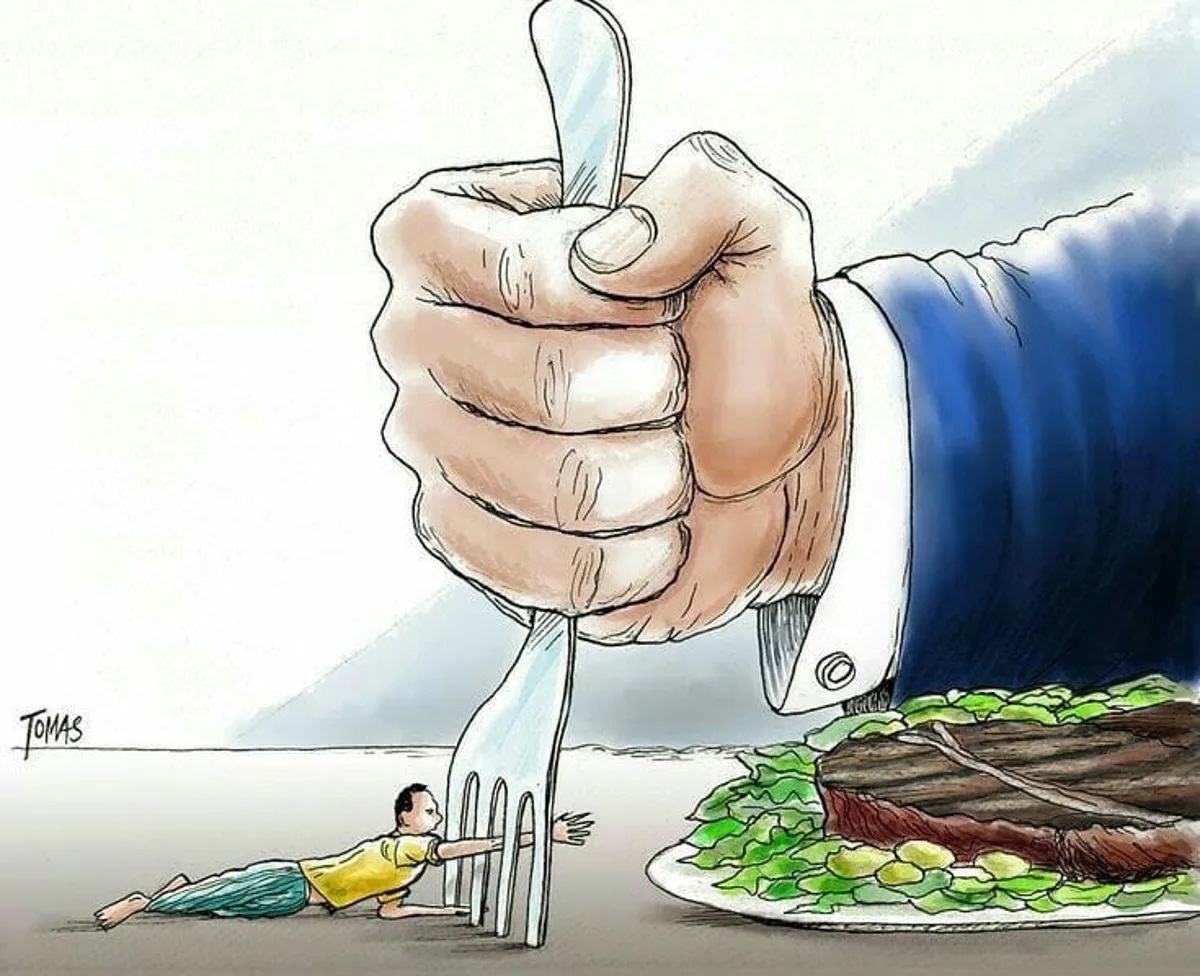
From imports to everyday local goods, the bill keeps climbing across the board, jobs become scarcer, and the people making these policy decisions rarely feel the pinch themselves.
Tariffs don't save the economy. They just redirect the damage, straight into the common man's pocket.