
The escalating tensions between the United States and Iran could soon be felt far beyond military circles, potentially influencing everything from global fuel prices to travel costs and economic stability.
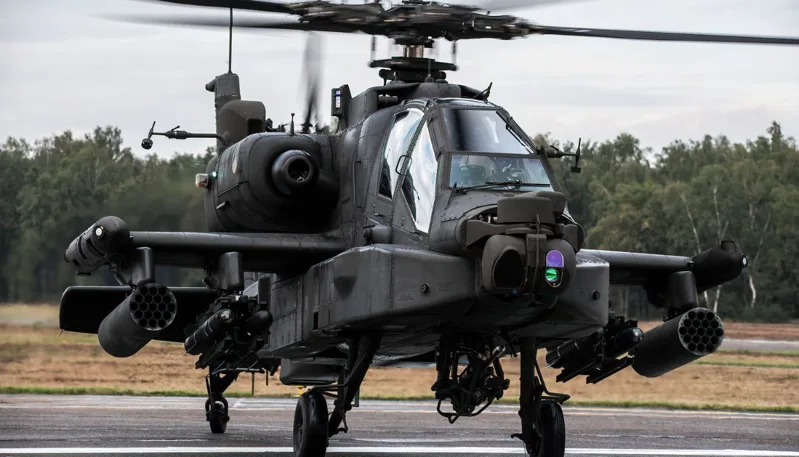
U.S. President Donald Trump has vowed to respond after alleging that Iran was responsible for an incident involving an American Apache helicopter in the Strait of Hormuz. Tehran, however, has not confirmed any involvement in the alleged attack.
In his remarks on Tuesday, Trump described the incident as an attack and warned that the United States would “respond as necessary.” The statement has added fresh uncertainty to an already fragile situation in the region.
According to the U.S. military’s Central Command (CENTCOM), an Army attack helicopter went down during a patrol near the coast of Oman at around 3 a.m. on Tuesday. The crew was later rescued following a two-hour search-and-rescue operation. The cause of the incident has not yet been confirmed.
While officials investigate what happened, analysts warn that even the perception of renewed confrontation between Washington and Tehran can have ripple effects globally.
For ordinary people, the most immediate impact could be felt at the fuel pump. The Strait of Hormuz is one of the world’s most important oil transit routes, and any instability in the region often leads to volatility in global oil and gas prices. That can translate into higher transport costs, more expensive air travel, and rising inflation in import-dependent economies.
Iran’s Foreign Minister Abbas Araghchi did not directly confirm the incident but cautioned that foreign military forces operating in the region face ongoing risks of accidents or crossfire. He added that reducing foreign military presence could help lower tensions.
The development comes at a sensitive moment, as diplomatic efforts to stabilise relations had shown signs of progress in recent months. Any renewed escalation could complicate those efforts and heighten uncertainty across global markets.
For people watching from afar, the situation may feel distant—but its consequences rarely are. In an interconnected global economy, instability in key shipping and energy corridors can quickly filter into everyday costs, from commuting expenses to household bills.
Officials on all sides have yet to confirm the full details of the incident, and investigations are ongoing.