
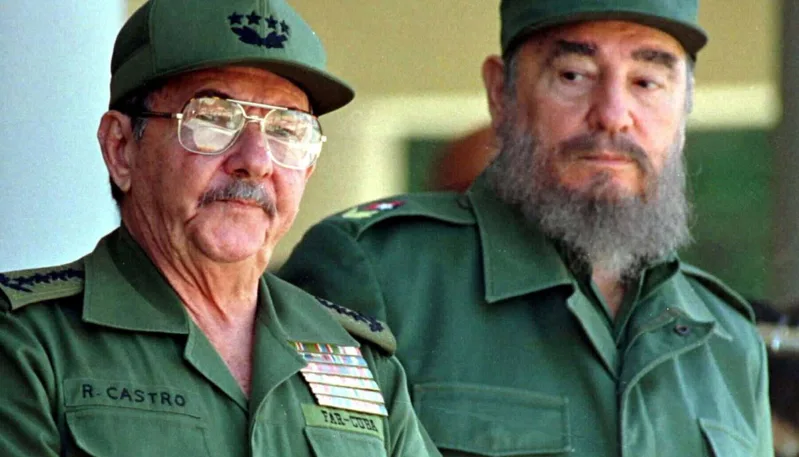
The United States Department of Justice has indicted former Cuban President Raúl Castro over his alleged role in the 1996 shootdown of two civilian humanitarian aircraft, a case that is rapidly escalating tensions between Washington and Havana.
The aircraft were brought down in international airspace, killing four people, including three U.S. citizens. The indictment marks one of the most significant legal moves against a senior figure in Cuba’s post-revolution leadership and is expected to further strain already fragile relations between the two countries.
According to U.S. officials, the case centers on Castro’s alleged authorization of the operation, which has long been a point of dispute in U.S.–Cuba relations. The move comes as Washington continues to apply pressure on Havana over past and present security concerns.
Cuban President Miguel Díaz-Canel condemned the allegations, warning that any military action against the island would lead to a “bloodbath” and trigger severe consequences for regional stability. Cuba has rejected the claims linked to the indictment, accusing Washington of constructing a “fraudulent case” to justify further escalation against the socialist government.
The controversy follows reporting by Axios alleging that Cuba had acquired more than 300 military drones capable of being used in a potential strike on the U.S. naval base at Guantanamo Bay. Cuban authorities have strongly denied the claim, calling it baseless and politically motivated.
Tensions have also been fueled by broader U.S. policy toward the region, including long-standing economic restrictions on Cuba and renewed geopolitical pressure in the Caribbean. Havana argues these measures have contributed to worsening energy shortages and economic hardship across the island.
Raúl Castro, the younger brother of revolutionary leader Fidel Castro, served as Cuba’s president from 2008 to 2018 after decades as defense minister. He remains an influential figure within the country’s ruling establishment despite stepping down from formal leadership.
The indictment adds a new legal dimension to a decades-old confrontation that has defined U.S.–Cuba relations since the Cold War. Analysts say the development could intensify diplomatic friction at a time when the region is already facing heightened geopolitical instability.
In Washington, officials have not confirmed any immediate military action, but the case has reignited debate over how far the United States may go in pursuing accountability for historic incidents involving Cuban forces.
For now, the situation remains fluid — but the indictment of Raúl Castro signals a dramatic new chapter in one of the Western Hemisphere’s longest-running political standoffs.