
Iran’s Kharg Island has come into global focus after remarks attributed to U.S. President Donald Trump suggesting the strategic oil hub could be targeted amid rising tensions with Iran.
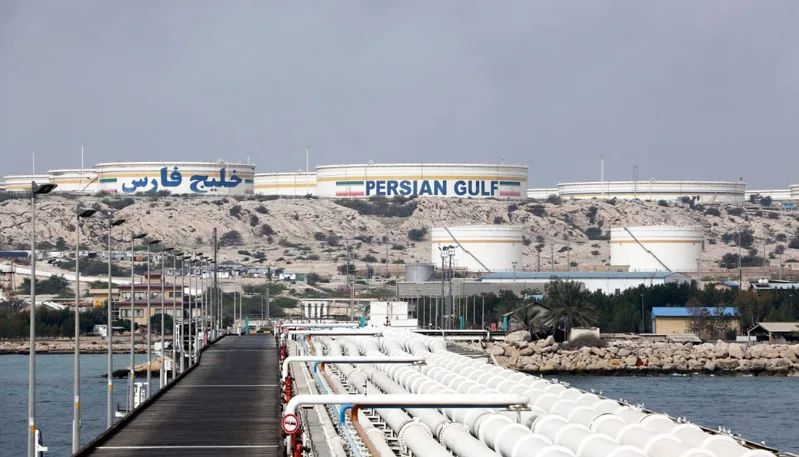
Kharg Island, located in the Persian Gulf, is one of Iran’s most critical energy assets and handles the vast majority of the country’s crude oil exports, estimated at up to 90% of total shipments. The facility plays a central role in global energy supply chains due to its large-scale export terminals and deep-water access for oil tankers.
Trump, who has previously taken a hard stance on Iran’s energy infrastructure, reportedly suggested that control or pressure over Kharg Island could be part of broader strategic options. The comments have triggered renewed debate over the island’s geopolitical importance and its potential impact on global oil markets.
Energy infrastructure on the island includes massive storage facilities, pipelines and loading terminals that allow Iran to export millions of barrels of crude oil to international buyers. Any disruption to operations at the site is widely seen by analysts as a trigger for volatility in global energy prices.
Experts say Kharg Island sits at the heart of Iran’s oil economy, and even the risk of conflict around the facility can push crude oil prices higher due to supply uncertainty. The island’s proximity to the Strait of Hormuz — one of the world’s most important oil transit chokepoints — further increases its strategic sensitivity.
Market analysts warn that tensions involving Iranian export infrastructure typically lead to short-term spikes in oil futures, as traders price in potential disruptions to supply flows. A prolonged escalation could significantly tighten global oil availability and increase energy costs worldwide.
Iran has not issued an official response to the latest remarks, while international observers continue to monitor developments closely due to the island’s critical role in global oil distribution.
As geopolitical tensions rise, Kharg Island remains one of the most strategically important energy hubs in the world — and a key flashpoint for global oil price movements.