
A newly detected asteroid large enough to devastate a city is expected to make an unusually close pass by Earth next week, sparking renewed debate over how difficult it remains to detect fast-moving space objects before they approach the planet.
The asteroid, officially designated 2026 JH2, is projected to pass Earth at a distance of roughly 56,000 miles (90,000 kilometers) on May 18. In astronomical terms, that is considered an extremely close encounter — only around a quarter of the distance between Earth and the Moon.
Scientists estimate the object measures somewhere between 50 and 100 feet wide, placing it in the category of asteroids capable of causing severe regional destruction if an impact were to occur over a populated area. Despite alarming descriptions online, experts stress that current tracking data shows no risk of collision with Earth during this flyby.
Why the Asteroid Is Getting Attention
The close approach has attracted major interest because astronomers only discovered the asteroid days before its Earth flyby. According to reports, the object was first identified through observations conducted at multiple observatories in the United States, including Arizona’s Mount Lemmon Observatory.
Space researchers say the late detection highlights a long-standing challenge in planetary defense: smaller asteroids are significantly harder to spot until they are already close to Earth.
Astrophysicist Mark Norris described the encounter as “about as close as you can get without hitting,” emphasizing how narrow the margin is in space terms.
NASA Monitoring the Flyby
According to NASA tracking data, the asteroid belongs to the Apollo-class near-Earth objects, meaning its orbit crosses Earth’s path around the Sun. NASA and astronomers worldwide continue refining calculations as additional observations are collected.
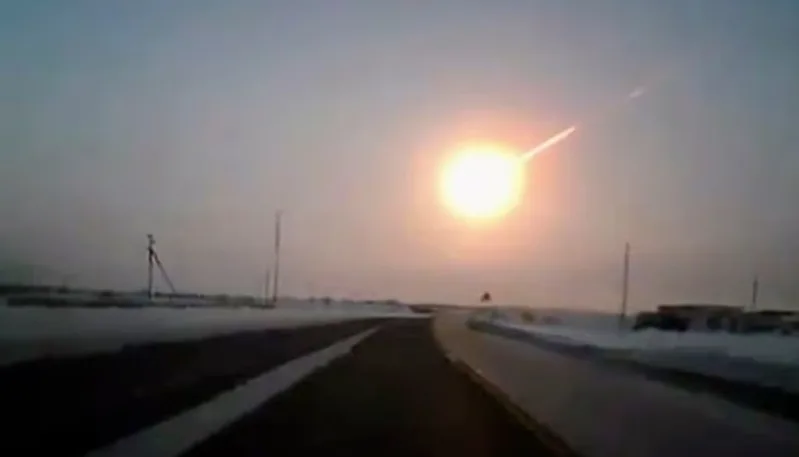
Experts note that objects of this size are not considered extinction-level threats, but they can still generate powerful shockwaves and localized destruction. Many comparisons have been made to the 2013 Chelyabinsk meteor event in Russia, where a smaller object exploded in the atmosphere and injured more than 1,000 people through shattered glass and blast effects.
Can People See It?
Astronomy groups are expected to livestream the flyby as the asteroid passes near Earth. Depending on weather conditions and viewing equipment, some observers may be able to spot it using telescopes or binoculars.
Social Media Reacts
Online discussion around the asteroid has exploded across social platforms and Reddit, where users alternated between humor and concern over the close encounter.
One viral Reddit comment joked, “Better luck next time,” while others debated how often Earth narrowly avoids incoming space rocks.
The event has also renewed interest in planetary defense systems, including NASA’s asteroid-deflection technologies tested in recent years.