

The first question that arises is, ‘What is Dark Academia?’ to define it simply, it is an aesthetic that focuses on higher education namely art, calligraphy, museums, writing, reading and dim classic Greek and Gothic Literature. Dark Academia became popular through TikTok, Instagram, Pinterest and Tumblr, where users share images of old libraries, university campuses, handwritten notes, rainy weather and stacks of classic books. Dimly lit libraries, tweed blazers, handwritten notes, antique bookstores, and timeless novels have become defining symbols of the dark academia aesthetic. The aesthetic is mainly inspired by prestigious universities such as Oxford and Cambridge, Gothic Literature, museums, classic music and traditions of higher education.
One of the most significant effects of Dark Academia has been its influence on reading habits, particularly among Gen Z. This trend made Gen Z get familiar with classic authors such as Oscar Wilde, Virginia Woolf, Emily Brontë, Fyodor Dostoevsky, and Edgar Allan Poe. Novels like The Picture of Dorian Gray, Wuthering Heights, Crime and Punishment, and The Secret History are frequently recommended within Dark Academia communities because they reflect themes of beauty, morality, ambition, obsession, tragedy, and intellectual life.
Where there is appreciation there is criticism too. Many scholars criticize it arguing that it romanticizes elite academic institutions and presents an unrealistic picture of student life, overlooking issues such as stress, inequality, and academic pressure. Others believe the aesthetic sometimes prioritizes appearance over genuine learning, encouraging people to imitate a scholarly lifestyle without engaging deeply with literature or critical thinking.
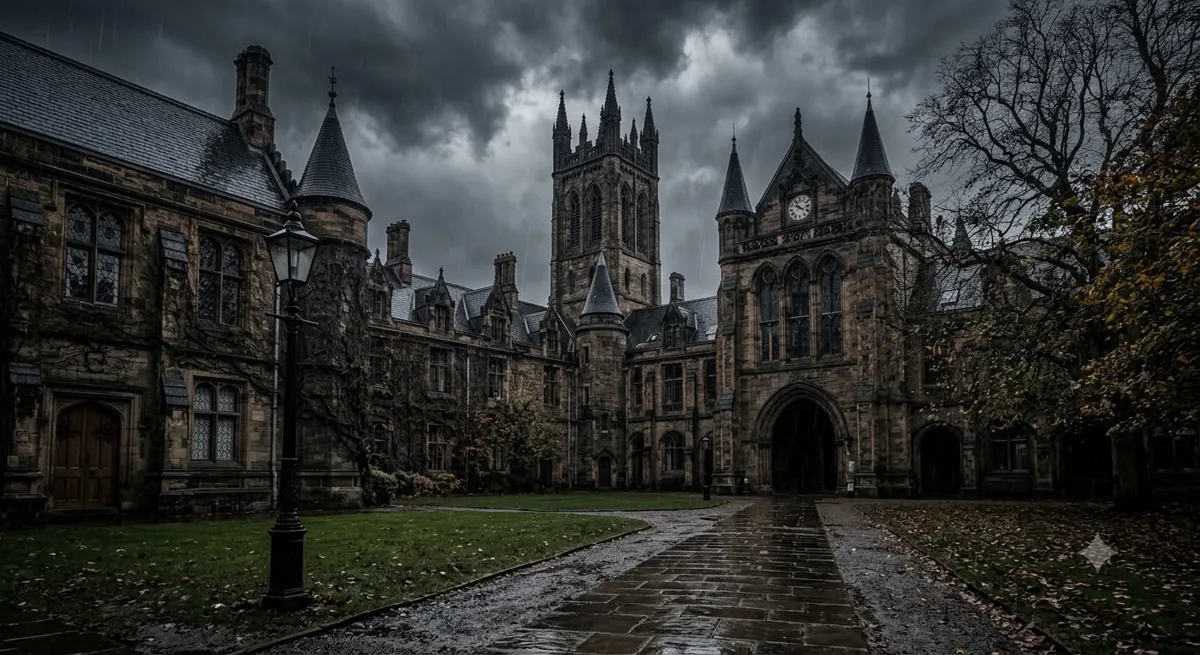
Despite criticisms, Dark Academia has a quite positive impact on young people encouraging them to read classic literature, visit libraries and museums, appreciate history and develop an interest in philosophy, poetry and the humanities.
A time when short form content and rapidly changing trends is dominating, the movement demonstrates that traditional literature and intellectual curiosity continue to resonate with a new generation.