
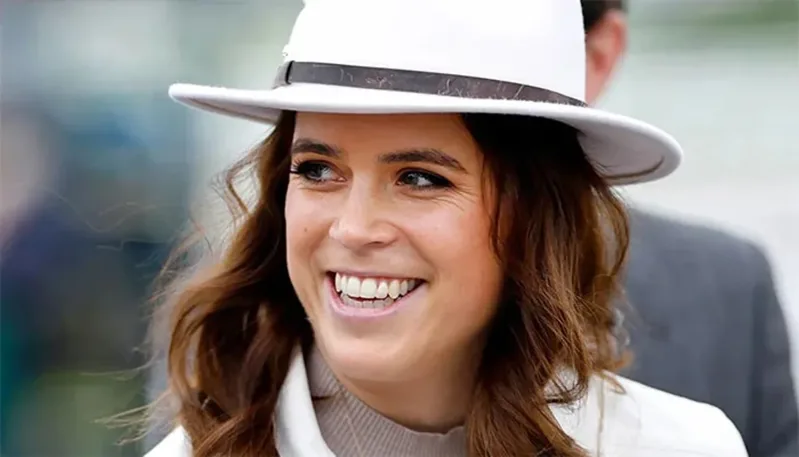
Princess Eugenie and her husband Jack Brooksbank welcomed their third child on Monday, August 3 — a baby girl born at 6:20pm in Lisbon, Portugal, weighing 6lb 9oz, Buckingham Palace confirmed. She's the ninth grandchild of the Duke of York and Sarah Ferguson, following her older brothers August and Ernest, and cousins Sienna and Athena from Princess Beatrice's side of the family.
One detail is still missing three days on: her name. And until Buckingham Palace formally announces it, the newest royal won't appear on the official line of succession — a procedural gap that looks like a delay but is actually just how the system has always worked.
Why the Wait Is Procedural, Not Political
The Royal Family's official website only updates the line of succession once a baby's full name has been publicly confirmed — the same sequence followed for every recent York-family birth, including Beatrice's daughters Sienna and Athena and Eugenie's own sons. Once the name is announced, the new baby is expected to slot in at 15th in line, pushing everyone below her down by one position: Prince Edward moves from 15th to 16th, followed by James, Earl of Wessex, Lady Louise Mountbatten-Windsor, and Princess Anne, among others further down the list.
At the top, nothing changes. Prince William remains heir apparent, followed by his three children, then Prince Harry in fifth place with Archie and Lilibet immediately behind him.
The More Interesting Question: Why No Title?
Here's the detail worth actually explaining, because it trips a lot of people up: despite outranking several titled royals in the succession order, Eugenie's daughter will not automatically receive the style of Princess or HRH — and that's not a snub, it's the mechanical result of a piece of royal law most casual observers have never heard of.
Titles in the British monarchy have historically followed a stricter rule than succession itself: under conventions dating back to King George V's 1917 Letters Patent, the children of a monarch's daughters — as opposed to a monarch's sons — are not automatically styled as Prince or Princess. Succession to the throne itself was made gender-neutral by the 2012 Succession to the Crown Act, meaning a daughter can no longer be bumped down the line by a younger brother. But that reform changed the order of succession, not the separate, older rules governing who gets a royal title. The two systems run on entirely different logic, which is exactly why a family can produce a child who ranks 15th to inherit the throne while holding no royal title at all — a distinction that has already applied to all of Beatrice's and Eugenie's children.
The only way around that convention is if the reigning monarch personally chooses to override it, which King Charles has shown no indication of doing for this branch of the family.
Context: A Family Already in the Headlines
The birth also lands amid a turbulent stretch for the wider York family. Eugenie's father, Prince Andrew, has been stripped of his prince title and military affiliations following years of scrutiny tied to his association with Jeffrey Epstein, and recent reporting has suggested friction within the family over how — or whether — Andrew and Sarah Ferguson will be involved in the new baby's life. None of that affects the succession mechanics described above, but it's the backdrop against which this otherwise routine royal-birth procedure is playing out.