
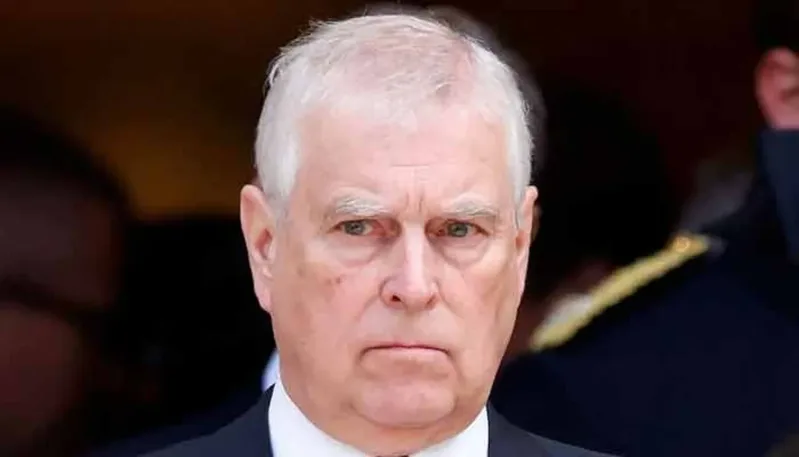
Andrew Mountbatten-Windsor — the man once known as Prince Andrew, Duke of York — gave evidence Thursday in a case that captures just how far his circumstances have fallen: not as a royal defending the Crown's dignity, but as a private citizen at Westminster Magistrates' Court, describing an alleged confrontation outside the modest farmhouse he now calls home.
What the Witness Statement Describes
Andrew's statement, read aloud in court by Deputy Chief Magistrate Tan Ikram, describes an incident on May 6 near his Marsh Farm property in Wolferton, on the Sandringham estate. According to the statement, Andrew was walking his dogs when he spotted a vehicle he initially assumed belonged to press photographers. After he and his security detail drove past it, he says a man wearing a balaclava turned to face him, and — after a loose dog ran toward him — the man appeared to recognise Andrew and began sprinting after his vehicle.
Alex Jenkinson, 39, is charged with using threatening, abusive, or insulting behaviour toward Andrew, alleged to have caused him to fear unlawful violence. Jenkinson denies the charge, along with a separate charge relating to an alleged confrontation with another man, Stephen Terry, in King's Lynn the day before. As with any pending criminal matter, Jenkinson is presumed innocent unless and until a court finds otherwise; Thursday's hearing addressed procedural matters rather than resolving guilt.
Court documents note that Jenkinson was held under the Mental Health Act for roughly a month following the May 6 incident, and Suffolk Police is separately pursuing a civil Stalking Protection Order against him, using both Andrew's testimony and material recovered from Jenkinson's phone. Judge Ikram extended the interim order against Jenkinson at Thursday's hearing and set a pre-trial hearing for January 22, with a full trial scheduled for February 16 at Westminster Magistrates' Court.
One human detail from the hearing stood out: Jenkinson himself wasn't present, after court staff refused to let him bring his dog, Indie, inside. His solicitor told the court he is currently without permanent housing and staying in a Travelodge, where he has no way to leave the dog unattended, and that the animal provides him support for ADHD. Judge Ikram was unmoved, saying he wasn't prepared to allow a dog in the courtroom on that basis alone, while noting he wasn't disputing the account, just that nothing corroborated it.
The Bigger Picture: A Very Different Kind of Vulnerability
What makes this case worth more than a passing court-listing mention is the contrast it draws with where Andrew was just two years ago. This is a man who, until October 2025, held the title Duke of York, was styled His Royal Highness, and lived in a 30-room mansion at Royal Lodge with round-the-clock state-funded protection. Since then, King Charles has stripped him of his prince title, his HRH style, and — earlier, in 2024 — his official security funding and royal allowance. He was evicted from Royal Lodge, moved briefly to Wood Farm, and eventually relocated in April to Marsh Farm, a five-bedroom property on the Sandringham estate that's been described by royal reporters as comparatively modest, now ringed with new fencing, CCTV, and security lighting funded privately rather than by the Crown.
That downgrade in status is precisely the backdrop against which this alleged confrontation occurred. Andrew is no longer protected by the same institutional security apparatus that shields working royals, yet he remains a recognisable, controversial public figure — arguably one of the most photographed and scrutinised private citizens in Britain, given his connection to the Jeffrey Epstein scandal and a related 2026 arrest on suspicion of misconduct in public office. That combination — high public recognisability with diminished official protection — is itself a notable structural vulnerability, and it's plausible this case becomes something of a test of how the state handles security concerns for a royal-adjacent figure who is, on paper, no different from any other citizen filing a police report.
Whatever the court ultimately decides about Jenkinson's conduct, the case is a quiet but clear marker of how completely Andrew's position has been dismantled — from a man once guarded by the state to one now relying on witness statements and civil protection orders like anyone else.