
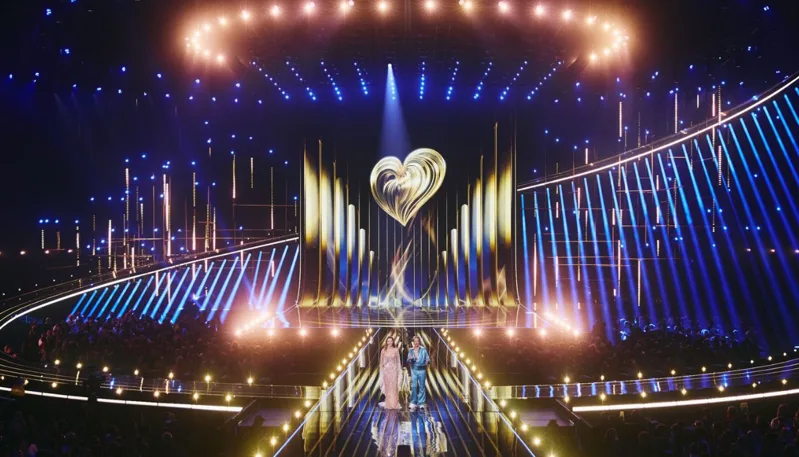
The Eurovision Song Contest 2026 reaches its climax with the Grand Final, where Europe — and millions of viewers worldwide — will crown a new champion in one of the world’s most watched live entertainment events.
Known for its mix of high-energy performances, dramatic staging, political voting moments, and viral pop culture entries, Eurovision continues to be a defining annual spectacle in global music television.
When and where the Eurovision 2026 final takes place
The Eurovision 2026 Grand Final is scheduled to take place in May 2026, following two semi-finals earlier in the week.
The host city is determined by the previous year’s winning country, following the contest’s long-standing tradition. The selected venue will host delegations from more than 35 participating countries across Europe, Australia, and invited associate broadcasters.
The final will be broadcast live across participating national broadcasters and streamed globally via official Eurovision platforms.
How countries qualify for the final
The Eurovision final features:
- The host nation (automatic qualification)
- The “Big Five” countries (France, Germany, Italy, Spain, and the United Kingdom)
- The top ten finishers from each semi-final
This structure ensures a mix of guaranteed finalists and competitive entries emerging from the semi-final rounds.
Format of the Grand Final
The Eurovision Grand Final features three key components:
1. Live performances
Each finalist performs a three-minute original song, accompanied by elaborate staging, choreography, and visual production.
2. Voting system
The winner is decided through a combination of:
- National jury votes
- Public televoting from participating countries and select global regions
Each country awards points from 1–8, then 10 and 12 points.
3. Winner announcement
After all votes are combined, the country with the highest total score is declared the Eurovision 2026 winner.
What makes Eurovision 2026 special
Each Eurovision edition brings evolving trends in music and performance, and 2026 is expected to continue that shift toward:
- Genre-blending pop and electronic music
- High-budget cinematic staging
- Strong social media-driven entries
- Increased global streaming audience engagement
Eurovision has also become a major platform for breakout artists who later achieve international success.
Fan favourites and predictions
While official results remain unpredictable due to Eurovision’s unique voting system, early fan discussions typically focus on:
- Strong vocal performances from Nordic and Baltic countries
- High-concept staging entries from Western Europe
- Viral social media favourites that gain momentum after semi-finals
Bookmakers and fan polls traditionally shift heavily after rehearsals and semi-final performances are revealed.
Cultural impact of Eurovision
Beyond the competition itself, Eurovision has become a major cultural event:
- It regularly trends globally on social media platforms
- It introduces new music styles to mainstream audiences
- It is known for both serious artistic entries and humorous, theatrical performances
The contest continues to blend music, identity, and performance art in a uniquely European format.
Conclusion
The Eurovision 2026 Grand Final promises another night of spectacle, competition, and unpredictability. With dozens of countries competing for the top prize, the contest remains one of the most influential and widely watched live entertainment events in the world.
As always, the winner will be decided not just by talent — but by a complex mix of performance, staging, and international voting dynamics that make Eurovision unlike any other music competition.