
The 20th century was one of the most exciting times in human history. Countries fought wars, ideologies clashed, empires fell apart, and a new world order emerged. If you want to understand how the world works today, or why some countries are powerful while others are poor, or why nations form alliances, the answer typically lies in events that occurred between 1900 and 2000. This article explains the major turning points in simple language.
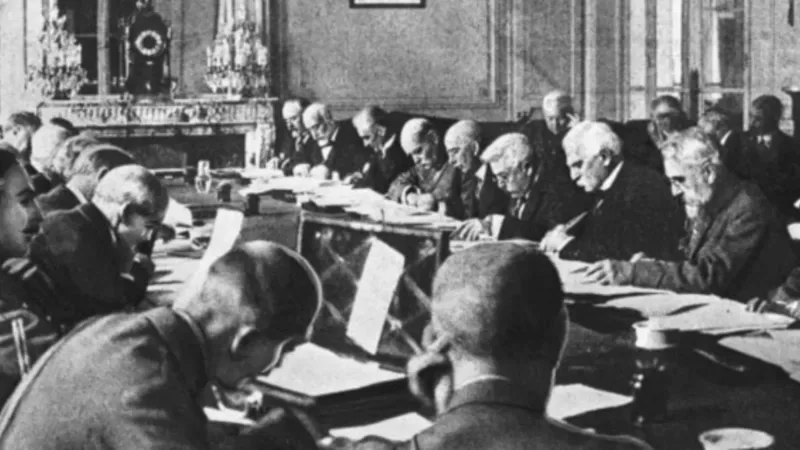
The century began with World War I (1914-1918), a major conflict fueled by competition among European powers for land, money, and influence. When it ended, Germany faced heavy blame and punishment through peace treaties. Many historians think those harsh terms set the stage for World War II (1939-1945), an even deadlier war that drew almost the entire world into two opposing sides. Once that war concluded, two new superpowers appeared: the United States and the Soviet Union (Russia). Rather than fighting each other directly, they engaged in a long political standoff known as the Cold War. Each side aimed to promote its own system—capitalism versus communism—around the world.
Eventually, communism fell apart. The Soviet Union disintegrated, and countries that once existed under its control gradually moved toward democracy and free trade. This change, along with faster communication and open borders, led to globalization, a process in which goods, money, and ideas started moving freely between nations. The United States emerged as the world's leading power, influencing international politics through its foreign policy and economic strength.
The 20th century taught the world a painful but important lesson: no country lives in isolation. Wars affect everyone. Political systems cross borders. The decisions made by powerful nations influence the lives of ordinary people around the world. Understanding this history is not just about the past; it helps us make sense of everything happening in the world today.