

Have you ever talked to your friend about buying something, and the next moment you open Facebook, Instagram, Google, or any other website and you're shown ads for that exact thing? That's not a coincidence. Not at all. You gave them access to this information yourself, by accepting cookies from their website.
It might seem creepy how they know exactly what you want, you feel watched, and that's because you are being watched, just not in the way you think.
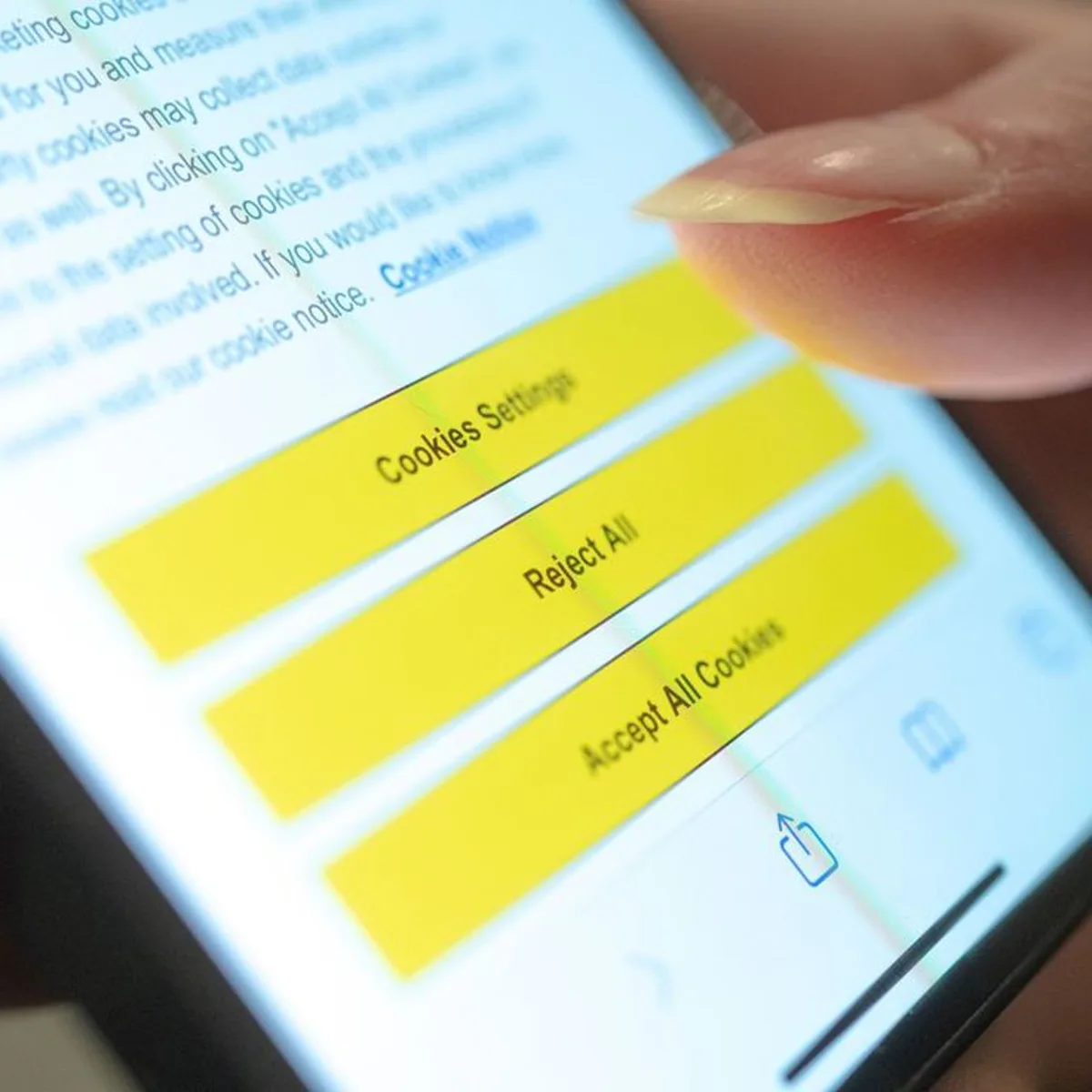
Here's the plot twist: your phone is not always listening through your microphone, that would drain your phone's battery instantly. Rather, it's cross-app tracking that analyzes your needs. You visited a site, it offered you cookies, you accepted them, and now you've forgotten about it.
But that website hasn't forgotten about it. It tracks your location, your digital footprints, the products you hover over longer than others. It doesn't give you what you want, it predicts what you want before you even realize it yourself, and plays with your psychology to make you think you really need to buy this.

Why does this matter for you? Because it doesn't just identify your needs, it recognizes your financial worth as well, to target you with their products in the future. E-commerce sites tend to show you higher prices if the algorithm thinks you're desperate for the product (dynamic pricing).
Fintech apps decide your credit loan limit on the basis of this financial value. Your harmless shopping habits are literally deciding how much money the system trusts you with.

The scariest part? You agreed to it yourself by clicking that pop-up, "Accept Cookies." It was permission for them to watch your every digital move.
In the digital economy, your phone isn't a device, it's a spy against you, helping these platforms make money at the cost of your privacy and psychology.