

Imagine being 5 years old and taking out money from your piggy bank to give it to your friend for his piggy bank, but you do this with the help of an uncle who you trust. He’s a good man, he tells you he will give your friend the full amount and you believe him. In reality he takes out a small amount from your money for himself. That’s how mobile wallets work!
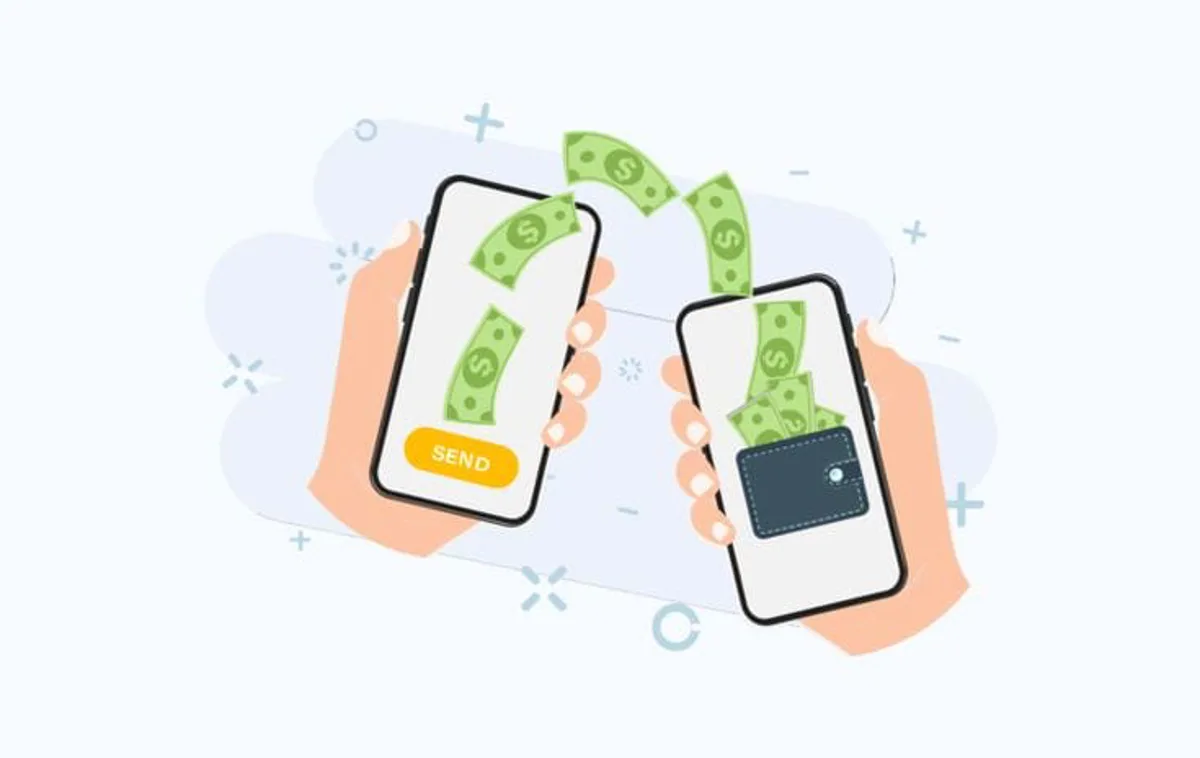
They tell you “wallet to wallet transaction is free” but, they do charge you a small amount every time without you noticing it. These amounts are called “hidden fees”.
But what are hidden fees?
Hidden fees come in different forms. Wallets don’t directly show you these fees, in fact they show you “0 transaction fee charged” and hide the fee behind names like:
- Spread fee: These are the exchange rates that the wallet owners hide. If you send money to your brother in dollars and he wants to withdraw money in Rupees, the wallet will charge a rate higher than market rate. For example 1$=280Rs, but wallet will take 1$ from you and give 275Rs to your brother instead of full 280Rs.
- Network or Gas fee: in crypto wallets, like Bitcoin, you have to pay extra money to the network as transaction fee.
- Instant cash out fee: Once money is transferred from wallet to wallet for free, withdrawing it instantly in cash costs you almost 1%-1.75% as fee.
- Credit card fee: transaction from wallet is free but if you link credit card, you have to pay a 3% fee.
- Other factors like crossing withdrawal limit, changing currency, or having a business account also charge hidden fees.
Although wallet transactions are easy, quick and convenient, customers’ pockets slowly get drained in small amounts. The bigger the transaction, the higher the hidden fees. These fees don’t affect a customer as much for single or small transaction a day but they affect customer’s pocket when transactions are in larger amounts.

A question many would ask: “who is earning from our money?”
The WALLET COMPANIES! The BANKS! The THIRD PARTY SERVICES!
They need this money for company expenses, to grow business, to pay profits to shareholders, to make extra income from interest, to run marketing ads and for many more operations.
It’s necessary for them to attract customers with “free transaction” slogan. And there isn’t any direct transaction fee anyway! The hidden fees are just their premium features, and “free” is just a hook to get customers’ attention.
There's no such thing as a free transfer, just fees smart enough to hide!