
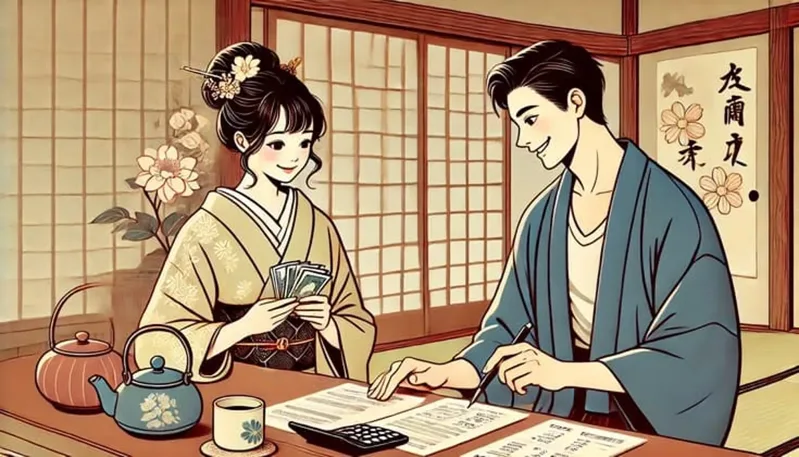
Typically, men control household finances and big purchases. But imagine a world where men earn money, hand over their entire salary to their wives, and get back only a part of it as pocket money for the rest of the month. This isn't just a fantasy, it's a decades-old Japanese tradition known as the "okozukai system."
Japanese salarymen (office workers) earn money and hand over every penny of their salary to their wives on payday. The wives then manage house rent, bills, groceries, kids' education, savings, and all other family expenses. Husbands get okozukai (pocket money) for their monthly expenses like going out with friends, lunch, or other activities.
This tradition began after World War II. Japan was devastated, and people started rebuilding their lives from scratch. They worked harder each day, and by 1950-1960, Japan saw an economic boom. Factories opened, and salaryman culture took hold. Men worked longer shifts, so the responsibility of managing household finances, along with house chores, fell to women. This gave birth to the “okozukai” tradition, which became a symbol of trust and role division.
The system is still very common today. According to surveys, women control household spending in 74-75% of Japanese households. The average pocket money recently recorded is around 36,835 yen (almost $233), used for lunch, socializing, and personal expenses.
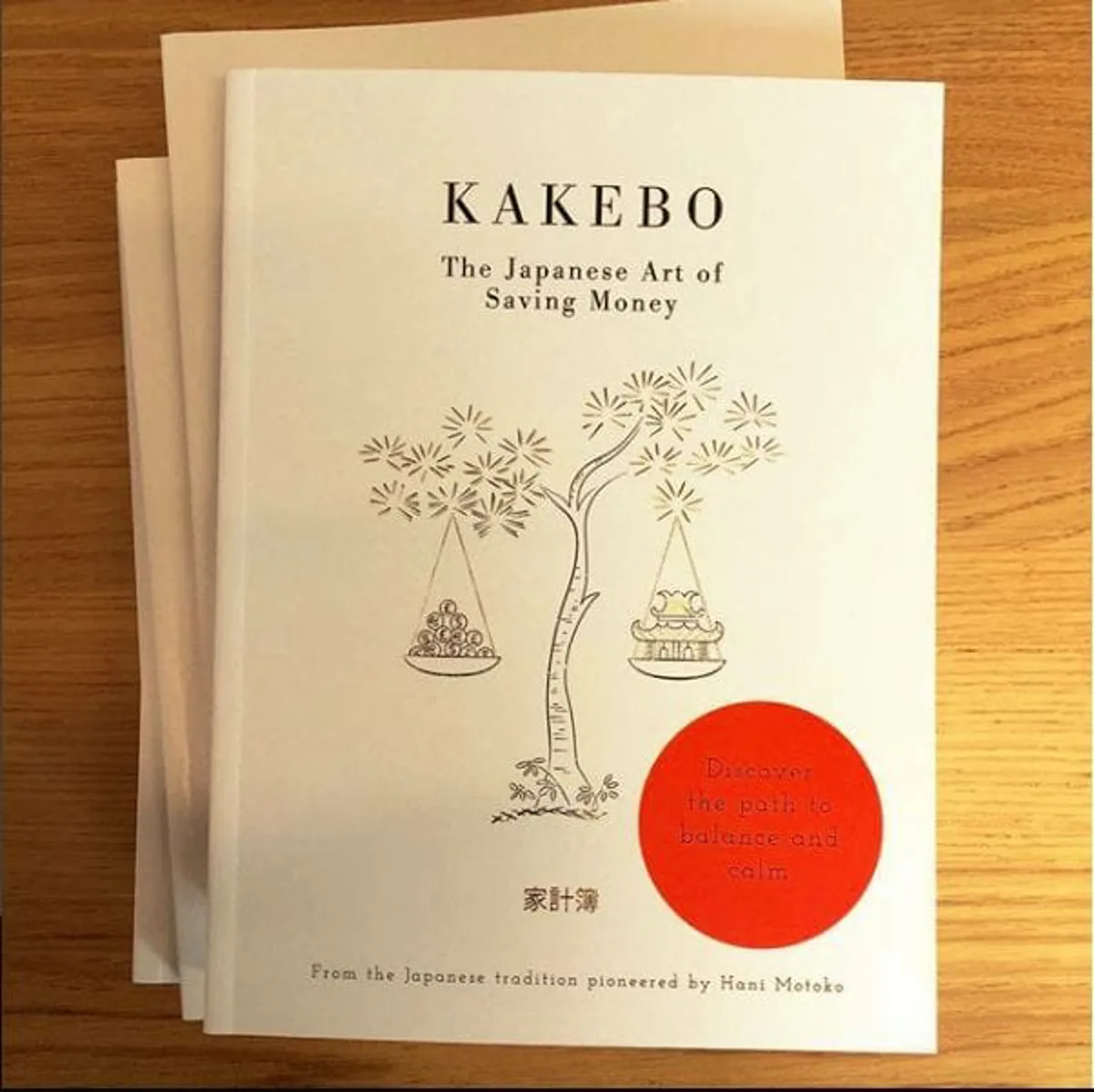
The most interesting part of this system is "kakeibo" (household ledger). This ledger was introduced by Japan's first female journalist, Hani Motoko. It's a simple diary in which daily expenses are recorded, and it's taught to female students in schools. The method: note down income at the start of the month, set aside savings, then divide the rest into categories; needs, wants, learning/culture, and unexpected. After each purchase, you ask yourself: "Was this necessary? How can I make next month better?" Kakeibo doesn't just teach numbers, it teaches mindful spending. Even today, most Japanese wives follow this method.
This system isn't just a tradition, it regulates the economy on a whole other level. Wives first pay rent, utilities, insurance, and so on, and the rest is deposited into savings. Average savings of Japanese households are very high, recorded at up to 18.5 million yen recently. Okozukai also curbs unnecessary spending by prioritizing shared family expenses, which strengthens the culture of saving. In any nuclear family, this kind of structured management matters.
But the system isn't perfect. Modern Japan faces its own problems. Welfare support is decreasing, and women stay busy managing housework and budgeting, which affects their careers negatively and reduces overall economic efficiency. The system also only works for married, stay-at-home moms with salaryman husbands, single mothers fall outside it entirely. In Japan, the poverty rate among single parents is as high as 44.5%. And in today's fast-moving world, only dual-income families can survive easily; women are becoming more career-oriented, and the younger generation is drifting away from this tradition.
This system shows how much power comes with controlling money, and how it can stabilize an economy through savings and financial discipline. But when the system doesn't adapt alongside the breakdown of the traditional family, people like single mothers get left behind. An economy isn't regulated by money alone; it also needs social support, gender equality, and flexible policies.