

Digital payments have been increasing in Pakistan over the years. Yet whenever you order food, the rider asks you the same question: cash or card? And 9 out of 10 times, the answer is cash. Why?
Because people don't trust technology. Not fully, anyway. Digital infrastructure is growing fast almost 40% growth. So it's not that the technology itself is untrustworthy. It's that people in Pakistan don't trust easily, period. Most people use digital money only for transferring small amounts. For big dealings, cash on delivery is still the go-to. People fear failed transactions. Refunds after a failed transaction take time. And scam stories keep circulating, making things worse.
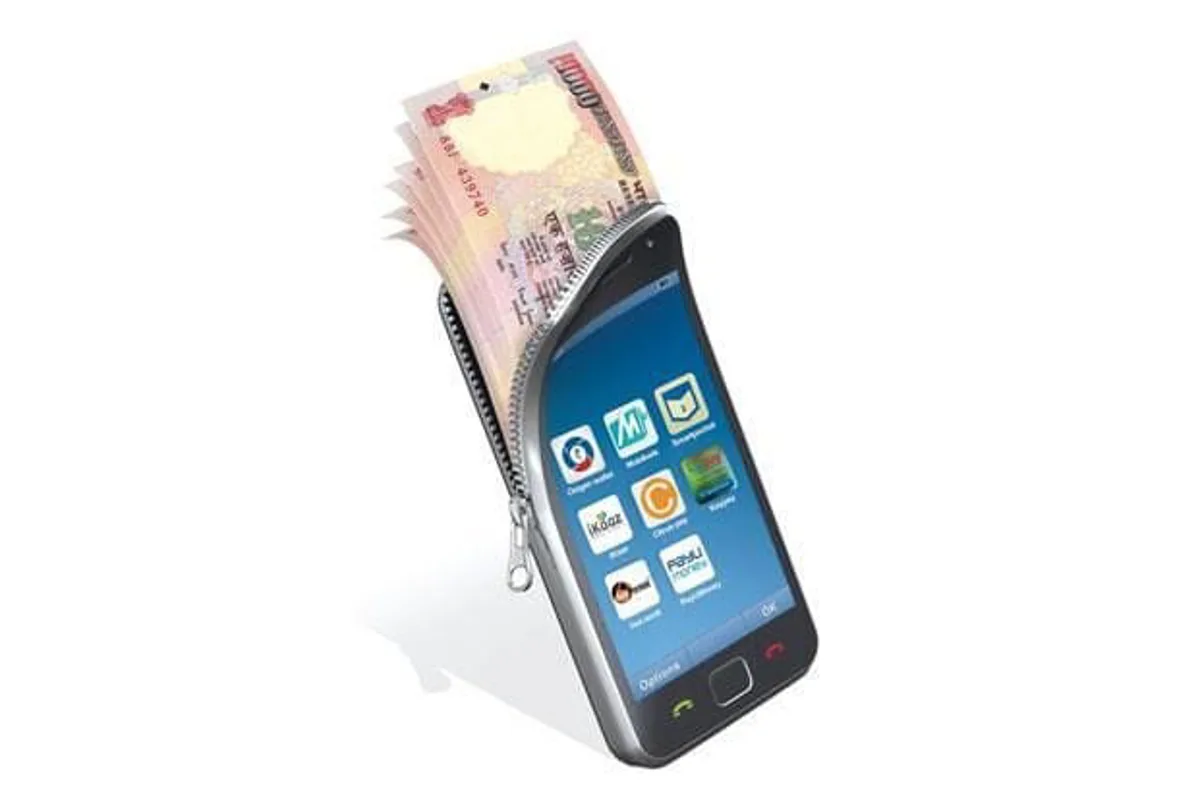
Why can't payments alone fix Pakistan's cash problem? Because payments, logistics, and merchants are interdependent. If one part breaks, the whole system feels it.
And here's the actual problem:
Merchants are afraid of digital payments because they don't get their money instantly. The courier collects the cash, and it takes 2-3 days for that payment to actually reach the merchant. This delay makes merchants unhappy. But if they refuse digital payments altogether, they lose customers. So they allow COD anyway. Now if a customer wants a return, they wait 2-3 days to get their money back, which makes the customer rethink their payment choices too.
These three, merchants, couriers, customers, are stuck in a triangle. And that triangle is what's slowly killing trust. Once trust breaks at one point, it doesn't stay there. It spreads. And that's exactly how cash culture keeps getting stronger, one COD order at a time.
Add to this the psychology of control. Cash gives people something digital payments don't: the feeling of being in charge till the last second. You pay only when the product is in your hand. No app, no waiting screen, no "transaction pending" anxiety. For a country still building trust in institutions and systems, that feeling of control matters more than convenience.
So the 55 million wallet number looks impressive on paper. But numbers on paper don't tell you what's happening at the doorstep. Until merchants get paid faster, refunds happen quicker, and trust stops leaking at every step of the chain, cash on delivery isn't going anywhere. Pakistan doesn't have a wallet problem. It has a trust problem, and trust doesn't move at the speed of an app update.